
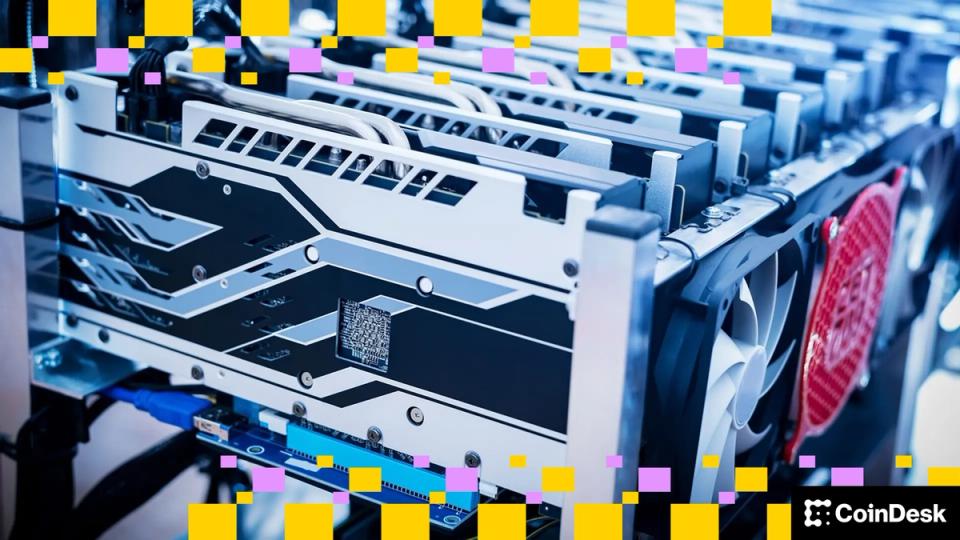
Talk about winning the lottery. A solo miner took over $200,000 worth of bitcoins and rented just $75 worth of hashing power.
A solo miner validated block 938,092 around 8:04 a.m. UTC on Tuesday, earning the full block reward of 3,125 BTC using hashrate rented through on-demand cloud services, according to blockchain data from Mempool.space.
The miner spent approximately 119,000 satoshis, about $75, to rent 1 petahash per second of computing power and used CKPool, a service that allows individual miners to work independently while relying on a pool server to stream and submit solutions.
The calculations on that return are absurd. It’s a 2600x reward which is equivalent to a lottery ticket with better odds than most real lotteries.
The Bitcoin network processes transactions by grouping them into blocks, which are added to the blockchain approximately every 10 minutes. Miners compete to solve a cryptographic puzzle for the right to add each block, with the winner receiving the reward.
Competition is measured in hashrate, the amount of computing power a miner devotes to the puzzle. More hashrate means more guesses per second and better odds.
Statistically rare
A lone miner renting 1 petahash is like taking a slingshot to a gunfight. The odds of that single petahash solving a block before industrial operations do are extremely small, roughly equivalent to finding a specific grain of sand on a beach.
But someone has to win every block, and probability doesn’t care about scale. As such, while solo mined blocks are still statistically rare, they are not as rare as they used to be.
Data from solo mining aggregator Bennet shows that 21 individual miners have successfully validated blocks over the past year, earning a combined total of 66 BTC worth $4.1 million at current prices. This represents a 17% increase in individual crashes found year over year, with one landing approximately every 17 days on average.
The rise of on-demand hashrate rental has lowered the barrier to entry.
Miners no longer need to own physical hardware to make an injection. Cloud-based services allow anyone to rent computing power for as little as a few dollars, turning solo mining from an infrastructure-heavy operation into something more like a scratch card with transparent odds.
Meanwhile, the lucky block landed during an interesting time for the bitcoin mining economy.
Network difficulty just rose to 144.4 trillion after the latest adjustment, a 15% increase that reversed an 11% drop caused by the severe US winter storms earlier this month. The increase means that miners now need on the order of 144.4 trillion hash attempts, on average, to find a valid block, compared to the first blocks in 2009.
That storm-driven drop was the steepest drop in hash rate since China’s mining ban in 2021, temporarily making it easier to find blocks before the network recalibrated.
And for a miner with $75 and good timing, the window was enough.


