
- The expansion of the AI promotes the demand for storage of ultra high capacity at unprecedented levels
- External shipments of the hard drive can take between six and ten additional weeks
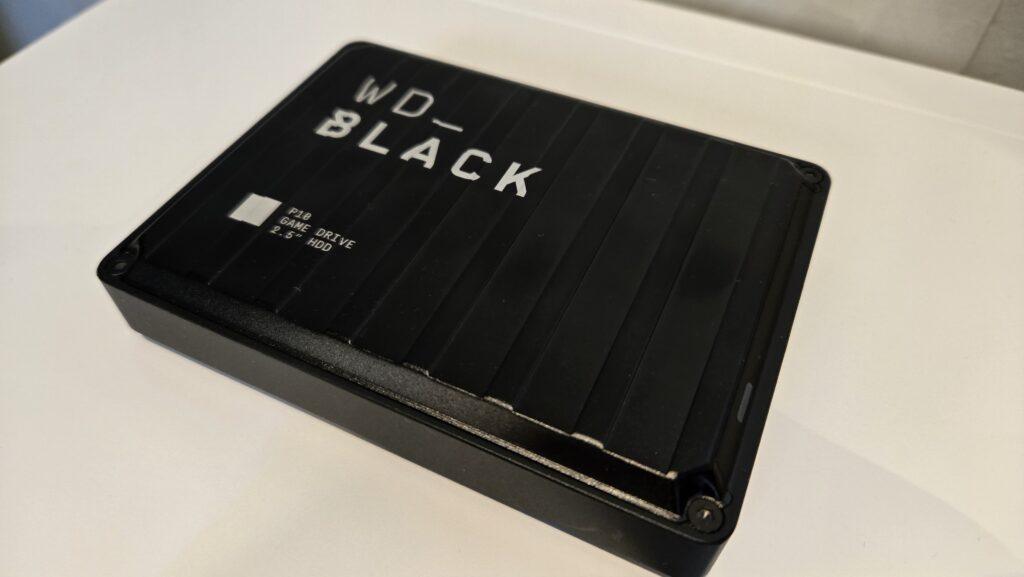
- Digital Occidental increases all HDD prices, citing the “unprecedented demand” in its portfolio
The rapid growth of inference AI services is exerting extraordinary pressure on the storage market, particularly for ultra -capacity hard disk units, has noticed new research.
Hyperscala cloud service providers such as Google and Oracle are aggressively expanding AI infrastructure and focus on high performance inference applications.
A recent one Trending force The investigation has affirmed that the volumes of massive data generated by AI are further striving the global storage infrastructure of the data center.
Artificial Intelligence Data Volumes Global Storage Infrastructure
This is creating an increase in the demand for storage solutions that can handle massive data sets, placing larger HDDs under strong tension.
The HDD near the line, traditionally the backbone of large -scale data storage, now face severe supply shortages.
This change is pushing high performance SSDs but of greater cost to the care center, with high capacity SSD QLC projected to see rapid growth in 2026.
Trending force He says that the limited growth of production among HDD manufacturers has left them unable to handle the rapid and fed increase in storage needs.
Therefore, the HDDS delivery times near the line have triggered only a few weeks to more than 52 weeks, further expanding storage gaps for cloud service providers.
At this time, 30 HDD TB as the Seagate Exos Mozaic+ remain easily available, but for 32 TB and larger models, users will have to wait more than a year.
There are also shipping and logistics problems that worsen supply limitations, which leads to Western Digital to notice that external shipments of the hard drive can take much longer than usual.
The company plans to increase the use of the ocean load, potentially adding six to ten weeks to transit times.
To address these problems, the North America CSP had already planned to increase the adoption of SSD for warm data work loads.
In addition, the severity of the current HDD deficit has led some suppliers to consider the implementation of SSD even for cold data.
But SSDs are more expensive and have smaller capabilities, although they offer faster reading/writing speeds and use approximately 30% less power than HDDs near the line.
It will not be financially prudent to use a SSD for cold data, which is rarely accessed but was filed in the long term.
Trending force It recommends that CSPS that plans to use QLC SSD for cold data should update data systems, verify software compatibility and carefully track costs to stay inside the budget.
That said, suppliers are not expected to decrease prices, and it is likely that a round of price conversations, with the prices of the Business SSD contract that are expected to increase from 5 to 10% in the fourth quarter of 2025.
To make things worse, an increase in HDDS is on its way. Western Digital has announced that prices in all HDD products will gradually increase, with immediate effect.
The company cites the “unprecedented demand” in its portfolio as the key reason for these increases and emphasizes that the investment in advanced innovation is a main factor.
The increase in costs affects not only the large business implementations, but also the smallest organizations looking for the best HDD for intensive storage applications.
All these factors indicate that the scarcity of storage promoted by AI will continue to affect purchase strategies until 2026.
Through Trending force


