
- Germany’s ADAC automobile club tested electromagnetic fields in electric vehicles
- Findings suggest radiation exposure is not a risk
- DC fast charging is also not a problem
There have been a number of social media posts and YouTube videos that have attempted to gain views with bold claims that driving an electric vehicle exposes occupants to “unhealthy” levels of radiation because its batteries and motors emit extremely low frequency (ELF) radiation, sometimes called “electrosmog.”
Guess what? It turns out there’s very little to worry about, because Germany’s ADAC automobile club, Europe’s largest automobile association, recently tested 11 electric vehicles while driving and charging to see what kind of radiation they emitted.
The research, commissioned by Germany’s Federal Office for Radiation Protection, saw dummies placed in the driver and passenger seats of 11 modern electric vehicles, along with several hybrid and internal combustion vehicles.
These test subjects were fitted with probes and sensors to see which parts of the body were exposed to radiation risks, if any. The results were quite conclusive: Any brief spikes in the magnetic fields produced by the electrified propulsion systems fell well below recommended limits.
What’s more, any elevated readings occurred primarily in the vehicle’s footwell, nowhere near sensitive brains, torsos or pacemakers, potential problems that have been touted by some EV skeptics in the past.
Surprisingly, Germany’s ADAC found that heated seats actually produced some of the strongest electromagnetic readings in the test, and this was true not only in electric cars but also in plug-in hybrids and even in the study’s only combustion model, according to CarScoops.
But, as expected, these readings were still nowhere near the recommended safety thresholds and did not prove to be a threat to the occupants.
Don’t panic, plug it in
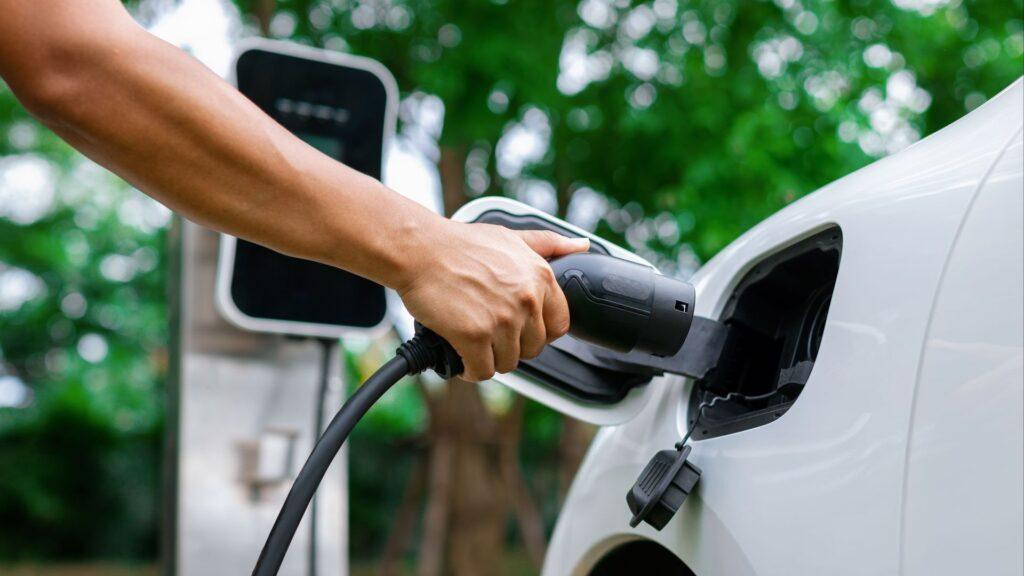
The study continued to test the electromagnetic fields around AC and DC charging sites, concluding that faster DC charging actually produced weaker electromagnetic fields than their slower AC counterparts.
Regardless, all charging sessions were safely within the recommended guidelines, despite some spikes in readings right around the time a charging session begins.
Chinese electric vehicle manufacturers have also been keen to dispel any myths about electromagnetic fields and electric vehicles, and the China Automotive Technology and Research Center (CATARC) has carried out numerous research projects on the safety of charging and operation of electric vehicles.
Its own studies have found that more than 20 of China’s leading electric vehicles operate at just 1% to 1.3% of China’s national standard safety limit for radiation exposure, which has been found to be lower than that of some rival internal combustion engine cars, according to Car News China.
Follow TechRadar on Google News and add us as a preferred source to receive news, reviews and opinions from our experts in your feeds. Be sure to click the Follow button!
And of course you can also follow TechRadar on TikTok for news, reviews, unboxings in video form and receive regular updates from us on WhatsApp also.


