
Federal ministers, policymakers and experts development partners to address demographic challenges
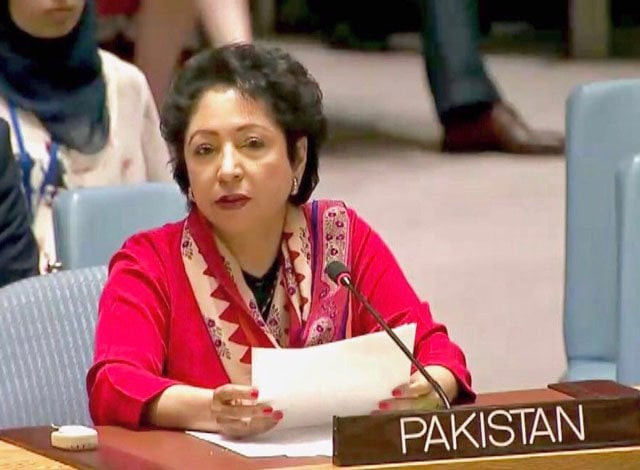
Former ambassador Maleeha Lodhi. PHOTO: twitter.com/LodhiMaleeha
ISLAMABAD:
Dr Maleeha Lodhi, Pakistan’s former permanent representative to the United Nations, warned that uncontrolled population growth and the government’s lack of attention to the consequent issue were fueling and exacerbating Pakistan’s human development crisis.
“I believe Pakistan is in the midst of this crisis with far-reaching consequences for its economic development and for the well-being of the people,” he said in his keynote address on the first day of the two-day ‘Pakistan Population Summit’ organized by DawnMedia on Monday.
The summit brought together federal ministers, policymakers, experts and development partners to address Pakistan’s rapidly intensifying demographic challenges.
“The crisis in human development is reflected in the fact that almost all indicators of literacy, education, health, poverty, gender disparity and other aspects of human well-being have been deteriorating in recent years,” said Dr Lodhi.
Citing the latest UNDP global Human Development Report 2025, he said the report places Pakistan in the “low” human development category with a ranking of 168 out of 193 countries in the Human Development Index.
“This marks a 35-year low. In its 2023 Pakistan Human Capital Review report, the World Bank says Pakistan faces a “silent and profound human capital crisis” that will negatively impact its future economic trajectory.”
“Official documents put literacy at 60%, which means 40% of our population is illiterate. No country has achieved economic progress with this level of illiteracy,” said Dr Lodhi.
Separately, speaking at a panel discussion with PML-N MNA Shaista Pervaiz and former KP minister Taimur Jhagra, PML-N senator Mushahid Hussain rejected the “myth” that Pakistan, as a Muslim country, was struggling to curb population growth.
He cited as examples Muslim-majority countries, including Iran, Indonesia and Bangladesh, with “population success stories.”


