
The Wayback Machine is a nifty tool, but I didn’t realize how important or extensive this library of Internet history actually is, and what the Internet Archive, which maintains this collection, also does.
In a recent report, CNN revealed a lot of interesting facts (via PC Gamer) about the Wayback Machine and, more broadly, the Internet Archive. In essence, Wayback is a time machine that allows you to travel back to previous versions of web pages, or if you prefer, it’s a TARDIW (Time and Relative Dimensions on the Web).
However, there’s more to the Wayback Machine than this, and indeed to the broader activities of the Internet Archive, a non-profit organization run by software engineers and librarians, so here’s my list of five surprising facts.
1. One billion pages in the web book
A little over a month ago, the Wayback Machine registered its billionth web page, which is mind-blowing. We are told that this library is currently expanding to 150 TB (i.e. 150,000 GB) worth of web pages daily.
2. A sanctuary of servers
Internet Archive is based in the Richmond district of San Francisco, USA, in a building that was the ‘Fourth Church of Christ, Scientist’, a truly striking piece of architecture with eight huge columns along the front (it looks like the organization’s logo).
The church still has its stained glass windows, but inside there are now a bunch of servers storing valuable data for the Wayback Machine, although, of course, there are more than a billion web pages within the walls of the headquarters. Most Internet Archive servers are located in a large warehouse outside San Francisco.
The servants of the old church are symbolically located in the main sanctuary of the building.
3. The importance of preserving the web
There is great value in maintaining historical snapshots of web pages, whether those sites are run by governments, corporations, other organizations, or even individual blogs. The ability to see changes can shed light on the motives of such organizations and preserve fragments of written content that would otherwise be erased from our collective memory (eventually).
In the event that governments make changes to official websites, it may be vital for journalists to have access to previous versions of web pages to clearly see the impact of any alterations.
Look
4. Not just web pages
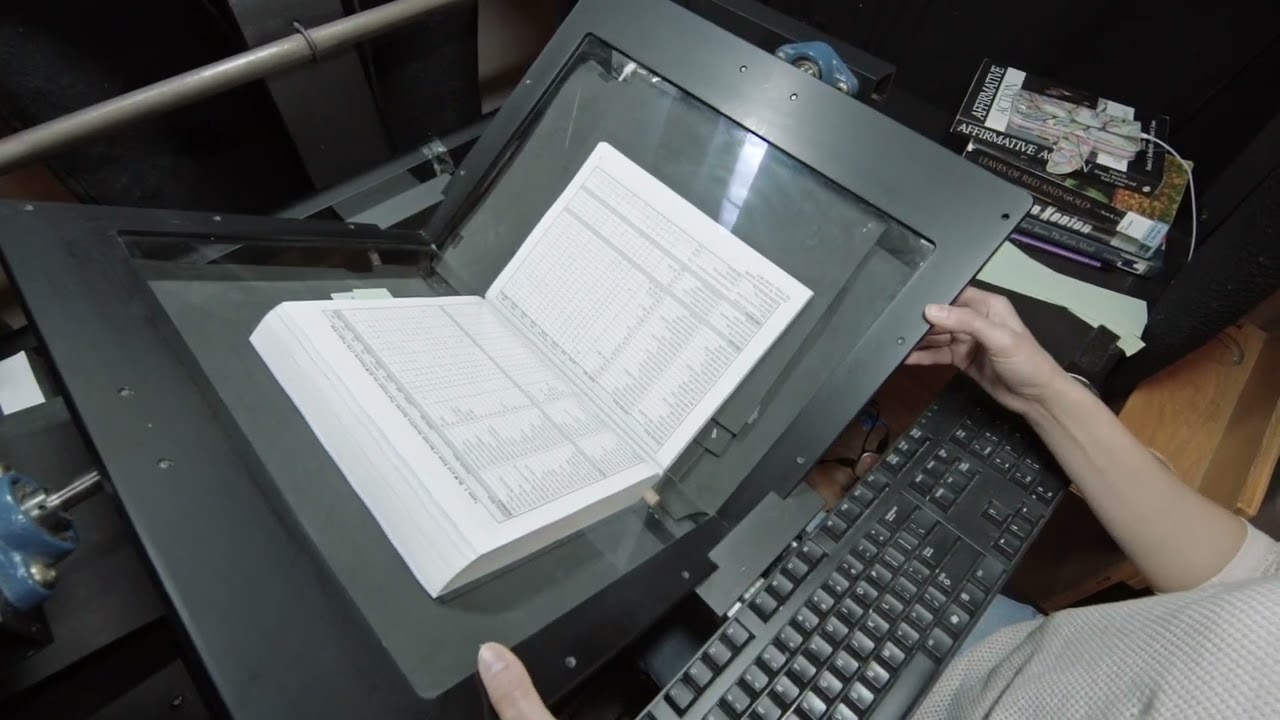
The Internet Archive is not just about preserving the history of the web, but also about digitizing books (see above) and other media such as old vinyl records (from the 1920s), CDs, cassette tapes, VHS, television shows and also video games.
I was not even remotely aware of the diversity of the historical records that the Archive keeps on this matter.
5. Founded by an Internet pioneer
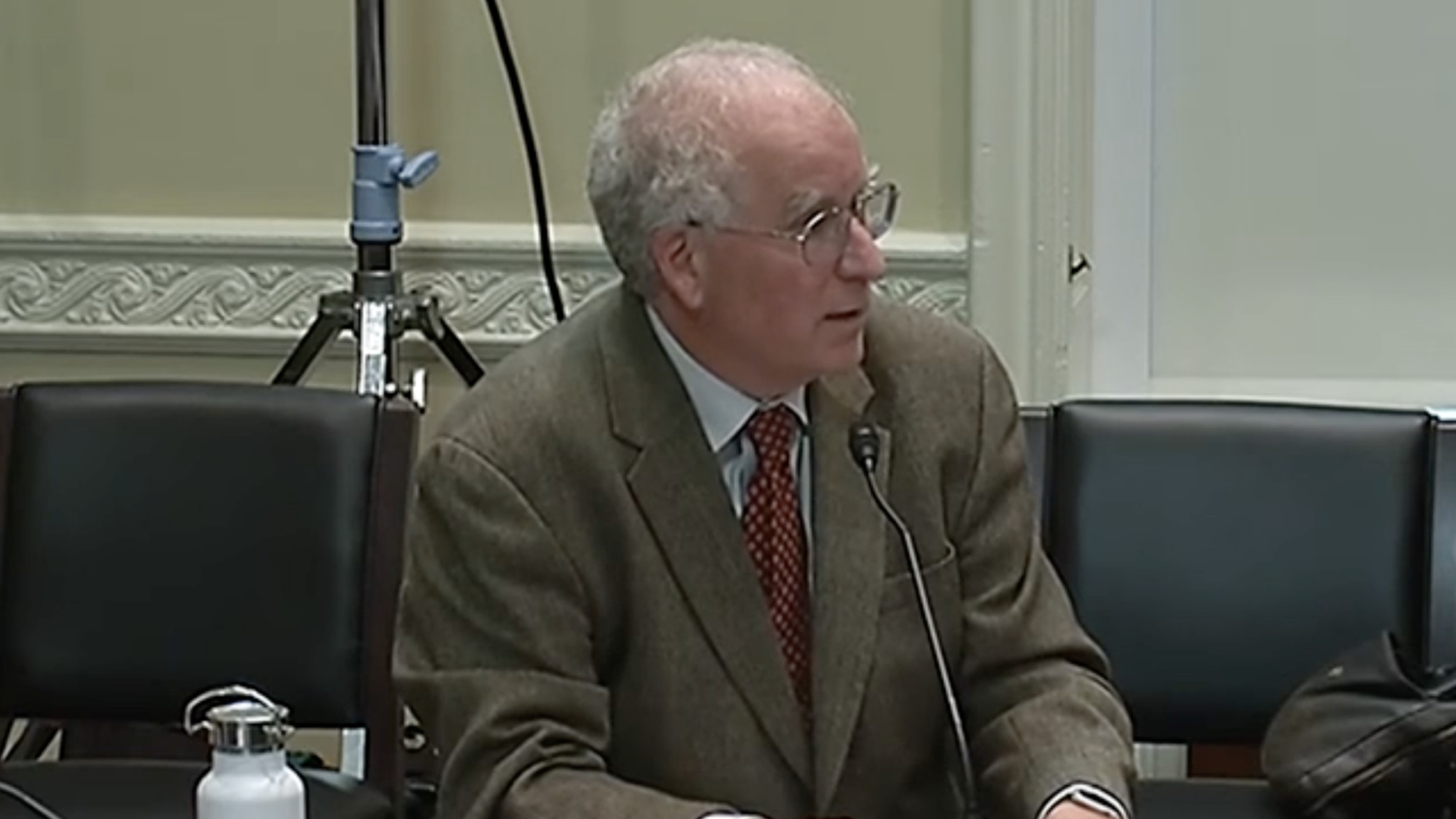
Brewster Kahle, founder of the Internet Archive and Wayback Machine (in 2001), was an Internet pioneer and previously one of the creators of the precursor to the World Wide Web. This was WAIS (Wide Area Information Servers), which was the first distributed document search and retrieval system to appear on the Internet.
The best computers for all budgets
Follow TechRadar on Google News and add us as a preferred source to receive news, reviews and opinions from our experts in your feeds. Be sure to click the Follow button!
And of course you can also follow TechRadar on TikTok for news, reviews, unboxings in video form and receive regular updates from us on WhatsApp also.


