
New legislation seeks to improve family planning, women’s health and social communication
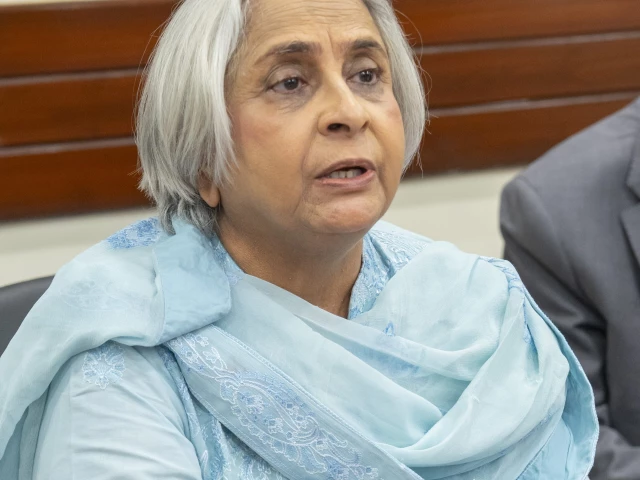
Dr. Azra Pechuho. Photo: Archive
Sindh’s health and local government ministers unveiled a premarital and marriage counseling bill, describing it as a “major social reform” designed to transform the way couples prepare for marriage and family life.
In a joint press conference with Local Government Minister Nasir Hussain Shah, Health Minister Dr Azra Fazal Pechuho said the move goes beyond medical guidance and aims to promote informed decision-making, gender awareness and healthier family structures.
Dr Pechuho said the bill would make counseling mandatory before marriage registration, covering family planning, reproductive health, mental well-being and effective communication between couples. He stressed that spacing births by 2 to 3 years is essential to reduce high-risk pregnancies and alleviate financial pressures on new families.
“Many women resort to unsafe abortions simply due to lack of awareness,” she said, adding that structured counseling could help reduce such cases and improve maternal health outcomes. Counseling sessions would also include guidance on newborn vaccination, breastfeeding rights and access to primary health care services.
The minister expressed concern about cousin marriages, which she said contribute to genetic disorders, including congenital heart disease and Down syndrome. She also clarified a common misconception: “The gender of a child is determined by the male chromosome; women should not be blamed for the birth of a girl.”
Warning against repeat caesarean sections, Dr Pechuho said the risks increase dramatically after three surgeries, underscoring the need for public awareness. He added that pilot counseling programs are already being carried out in Karachi South and Tando Allahyar, using newly developed training modules.
Shah termed the initiative as an important step towards strengthening young families. He said the government is committed to laws that create long-term social impact and praised the media for helping to raise public awareness. He also expressed hope that Sukkur would be included in the next phase.
While highlighting Sindh’s relatively empowered local government system, he acknowledged current urban challenges, particularly Karachi’s chronic water problems. He said the premier, mayor and local bodies were working to improve essential services and overall living conditions.


