
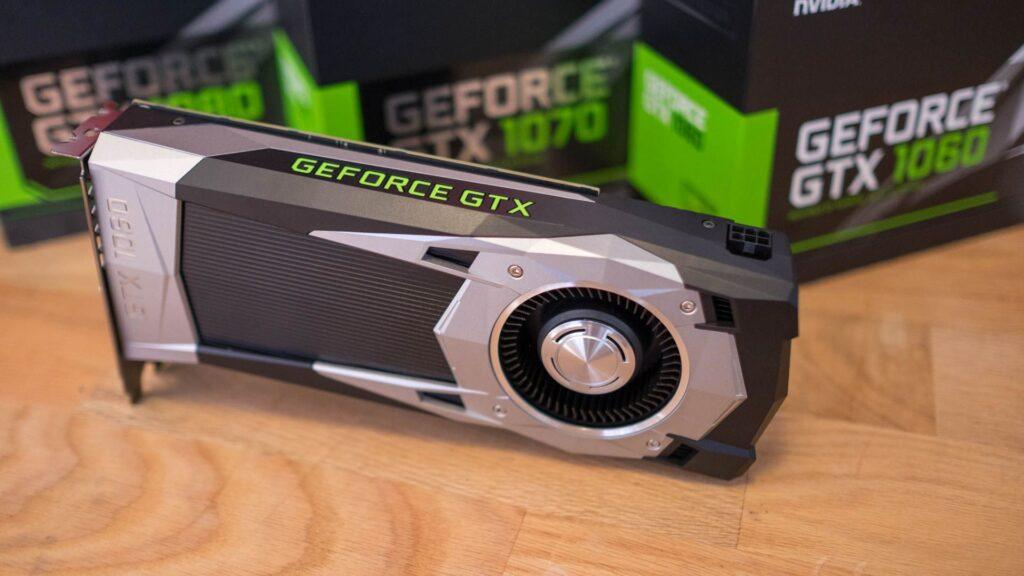
- Linux 590 driver no longer recognizes several GTX 900 and 10 series GPUs
- Windows Update Schedule Remains Unclear, Leading to Nvidia Graphics Card Uncertainty
- Nvidia will only provide quarterly security updates for older architectures
Nvidia released the first driver in branch 590 for Linux, signaling a major shift in support for older GPUs.
Reports from community members indicate that several Maxwell and Pascal-era GPUs are no longer registering with the new driver.
Cards like the GTX 1050 Ti don’t work even though the release notes still include legacy support.
Windows support schedule remains uncertain
The discrepancy between official documentation and user experience shows that these architectures are indeed being phased out, at least for Game Ready updates on Linux.
While the 590 driver is currently only available on Linux, Nvidia has not yet released a corresponding version for Windows.
Previous support for Maxwell and Pascal cards was extended to Windows driver 581.80 in late November, delaying deprecation for a short time.
Users who rely on driver update tools should expect a similar Windows update soon.
The Linux version now leads Windows, hinting that Game Ready optimizations for these GPUs may be ending, although confirmation depends on upcoming Windows drivers.
Nvidia has clarified that these older architectures, which have served users for more than a decade, will continue to receive quarterly security updates.
This maintains protection against critical vulnerabilities, even after performance tuning for new titles ends.
Gamers using Nvidia GTX 900 and GTX 10 series graphics cards can expect reduced support for cutting-edge features and optimizations.
The focus of the 590 driver branch is on new gaming improvements rather than ongoing maintenance of older GPUs.
In addition to Maxwell and Pascal, Nvidia has reduced discrete Volta support.
Since Volta appeared only in limited-consumption discrete GPUs, the practical impact remains small.
Mainstream consumer GPU users are primarily affected by changes to Game Ready support for older architectures.
The move reinforces Nvidia’s strategy of prioritizing support and optimization for current-generation hardware, while maintaining the essential functionality of drivers for legacy GPUs through security-focused updates.
The obsolescence highlights the challenges of maintaining driver support across multiple GPU generations.
Users who rely on older Nvidia graphics cards may need to consider hardware upgrades to continue receiving full Game Ready performance.
Through videocardz
Follow TechRadar on Google News and add us as a preferred source to receive news, reviews and opinions from our experts in your feeds. Be sure to click the Follow button!
And of course you can also follow TechRadar on TikTok for news, reviews, unboxings in video form and receive regular updates from us on WhatsApp also.


