- The analyst attributes the development to the improvement on the macro front.
- Total traded volumes reached 904 million shares at closing.
- The overall market turnover increased to Rs 47,000 crore during the session.
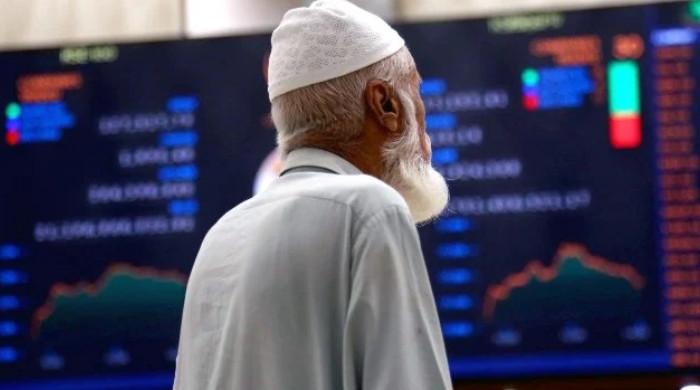
The Pakistan Stock Exchange (PSX) closed at a new all-time high on Monday as bulls pushed the stock to over 170,500 points.
The KSE-100 index concluded the trading session strongly, closing at 170,741 points, recording a gain of 876 points.
The benchmark index remained positive throughout the day, reaching an intraday high of 171,001 points and a low of 170,292 points, reflecting sustained investor confidence and improving market prospects.
Key index heavyweights (PPL, SYS, MLCF, NBP and UBL) led the rally, collectively contributing approximately 651 points to the overall index advance.
Market activity remained vibrant, with total traded volumes reaching 904 million shares, while overall market turnover increased to Rs 47 billion. PIBTL stood out as the most traded stock of the session, with 123 million shares.
Explaining the reasons behind today’s rise, Samiullah Tariq, Head of Research at Pak-Kuwait Investment Company, said: “Better expectations from the macro front, monetary easing and better expectations on corporate results are driving the market.”
Sana Tawfik, head of research at Arif Habib Limited, attributed the rally to heavy buying in energy and banking stocks.
He said the market was likely to maintain the positive momentum after the State Bank of Pakistan (SBP) cut the policy rate by 50 basis points, which came as a surprise to market participants.
The developments helped the benchmark index extend its recovery and “potentially reach new highs in the coming sessions,” Sana added.
The SBP, in a surprise move today, cut the official policy rate by 50 basis points to 10.5% despite food-driven inflation pressures and external considerations.
The market has also been largely positive since the Executive Board of the International Monetary Fund (IMF) approved a $1.2 billion loan for Pakistan after completing the second review of the country’s economic reform program under the Expanded Fund Facility (ESAF) and the first review under the Resilience and Sustainability Fund (RSF).