
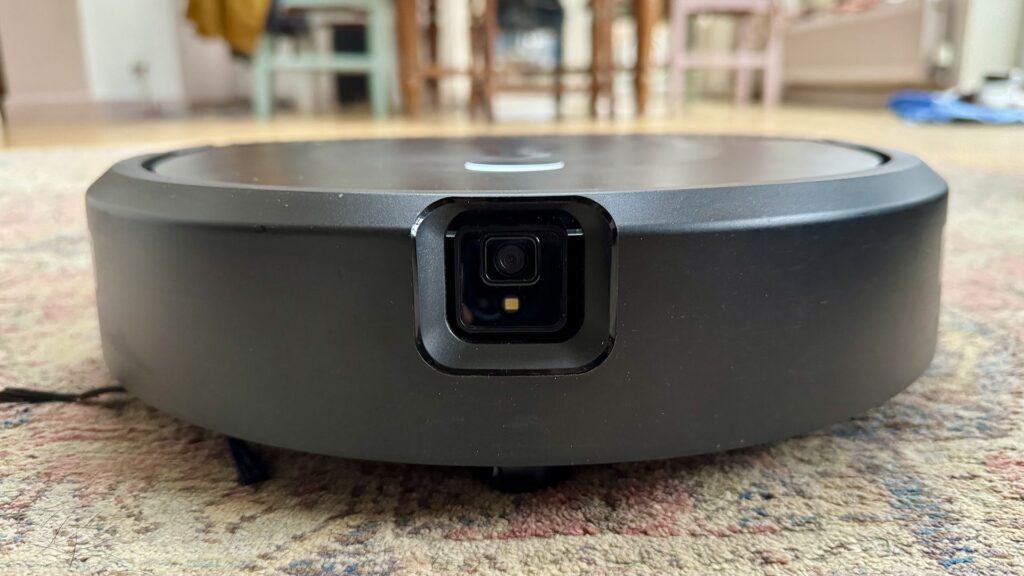
Last week, we learned that Roomba maker iRobot had been acquired by Chinese contract manufacturing company Picea, as part of a Chapter 11 bankruptcy process. The news has caused concern among Roomba vacuum owners, with uncertainty over product support and whether warranties will be honored.
I spoke with iRobot CEO Gary Cohen about what the future holds for the company’s products and its customers, and he assured me they have nothing to worry about.
The app will continue, the products will continue, and we will continue to delight consumers with the current product line.
Gary Cohen, CEO of iRobot
“Everything remains the same,” Cohen told me. “The application works and the guarantees will be honored.” The initial press release about the acquisition said no immediate disruption was anticipated, and when I pressed him on whether long-term support for apps and products would continue, Cohen confirmed that was “correct.”
“He [Roombas ceasing to work] “It was never going to happen, but it’s not happening now,” he added. “Now that we have a path forward, the application will continue, the products will continue… We will have firmware updates on the products, which is one of the benefits of this category: we are constantly putting software updates on the market. So this will continue.”
A smooth transition
Once the brand behind some of the best robot vacuums on the market, in recent years iRobot had begun to fall behind the competition. But Cohen feels positive about what the deal means for the brand’s future. He confirmed to me that iRobot and Picea have already been developing new products and accessories, and we will see the first launches in the spring (in the US and UK) of 2026.
Part of the reason the transition should be relatively seamless is that Picea had already been working with iRobot for some time. The collaboration began before Amazon’s failed acquisition in 2024, and Picea was involved when iRobot discontinued all of its legacy products and replaced them with an entirely new line earlier this year.
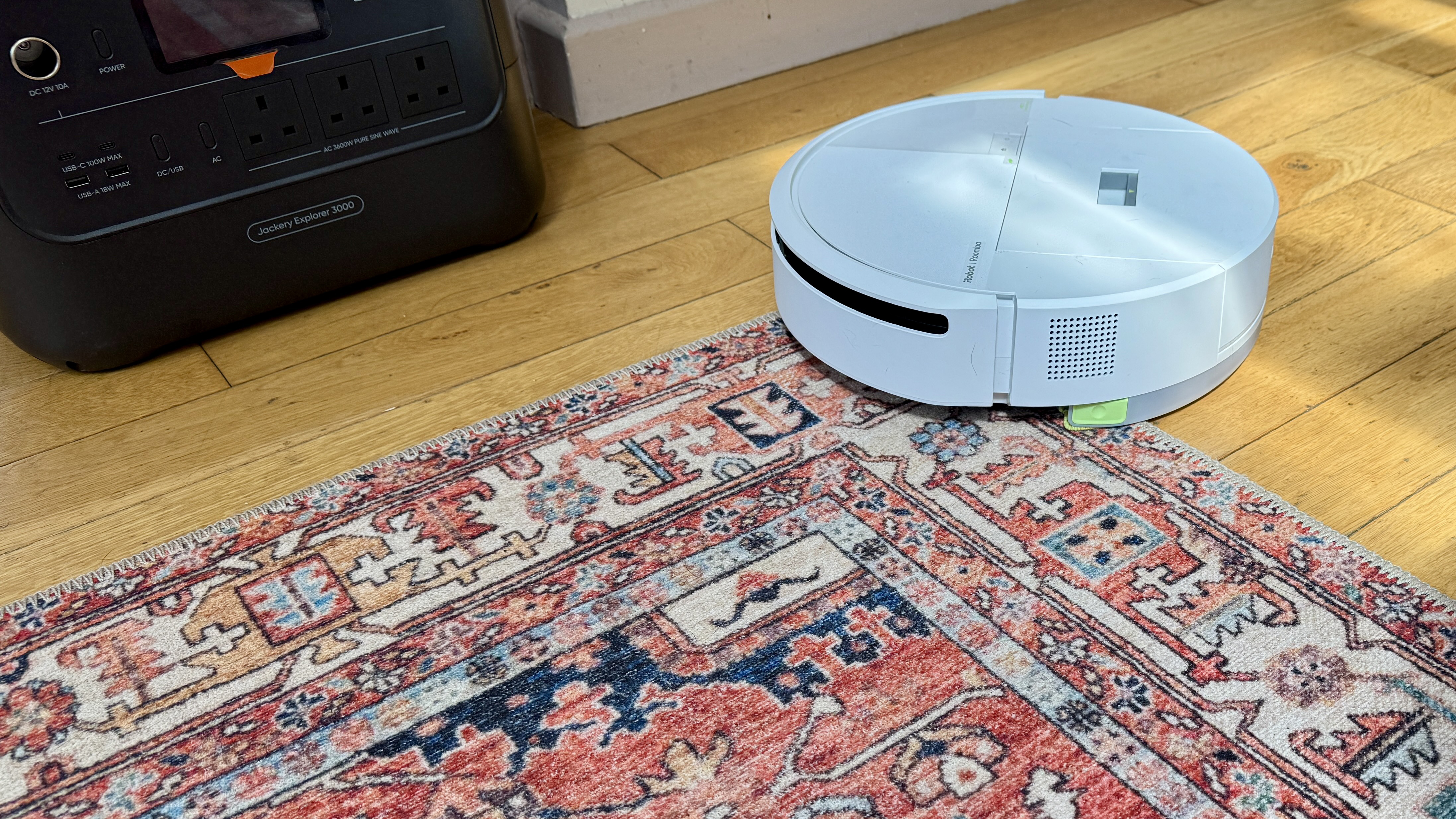
In fact, that alignment has not yet been fully implemented. Since not every product has been a huge success (the iRobot Roomba 205 DustCompactor got a disappointing two stars in our review), I was also interested to see if iRobot would continue that line. Cohen confirmed that plans are to continue updating current models, but also add new ones to keep up with the broader market.
“The European market is evolving very quickly [product release] cycle, and we’re already on that gerbil wheel,” he added. “But we also have to have products that are stable. So I think you’ll see lineups that maybe have added features that replace or coexist [the current options]”.
Cohen is primarily interested, however, in continuing the brand’s “customer first” approach rather than engaging in an arms race toward ever-longer feature lists and ever-higher specifications, as seems to be the approach in the broader market. Whatever happens, I’ll be watching with interest.
Follow TechRadar on Google News and add us as a preferred source to receive news, reviews and opinions from our experts in your feeds. Be sure to click the Follow button!
And of course you can also follow TechRadar on TikTok for news, reviews, unboxings in video form and receive regular updates from us on WhatsApp also.
The best robot vacuum cleaners


