
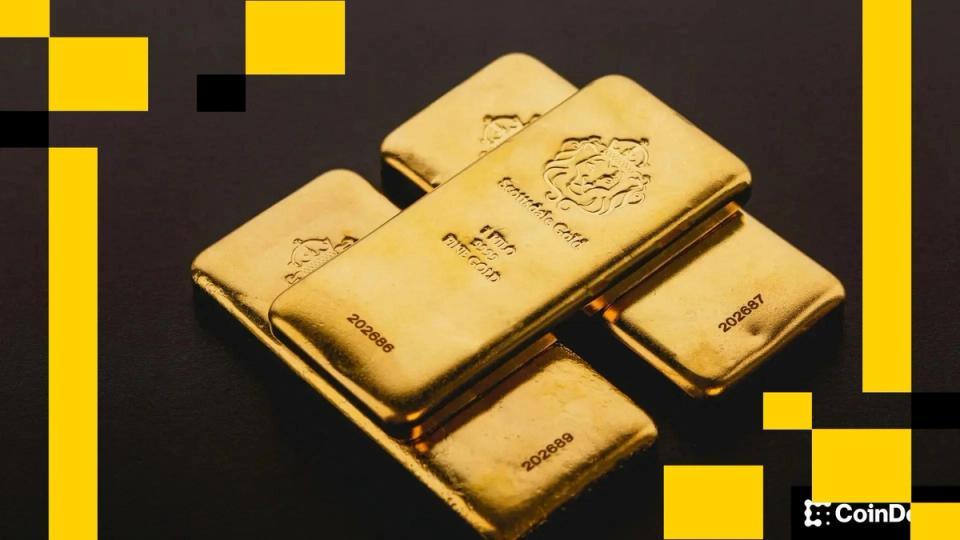
Gold is hitting new highs while bitcoin struggles to hold key levels, reopening a debate that crypto investors never fully resolved. If Bitcoin is supposed to be digital gold, this is the kind of ribbon that should win. Right now it is not.
The question is getting louder because gold is rising on expectations of rate cuts and geopolitical risk, while bitcoin has struggled to maintain key psychological levels and remains sensitive to the same forces that tend to affect stocks and other risk assets.
Gold is up more than 70% this year, and another precious metal, silver, is up about 150%, putting them on track for their biggest annual gains since 1979.
Platinum also hit record levels, extending a broader rally in precious metals as investors return to the category as a hedge against geopolitical volatility and long-term currency risk.
Part of what is holding Bitcoin back is positioning. The market is still digesting a long stretch of leverage-driven trading, and each bounce has been matched by rapid profit-taking over the past week.
The macro is another burden. Even as traders expect rate cuts, bitcoin tends to need clear conditions for taking risks, not just a smoother path for policy. Bond yields have been volatile, the dollar has oscillated, and markets have repeatedly adopted a “preserve capital” mood. That usually helps gold first.
David Miller, chief investment officer at Catalyst Funds and portfolio manager of the Strategy Shares Gold Enhanced Yield ETF, said the divergence is hard to ignore.
“Gold has had a record year, up over 60%. But so has bitcoin. There’s still this situation where it’s clearly not digital gold,” Miller said, adding that “gold may have a record year while bitcoin falls in the same year.”
Miller said bitcoin may still make sense in long-term portfolios, especially as a hedge against fiscal expansion and currency debasement. But he argued that gold still plays a different role because central banks already treat it as a reserve asset.
“What gold does that bitcoin definitely cannot do is serve as a real alternative reserve asset to a currency,” Miller said. “Bitcoin is really a retail play, while gold is largely institutional.”
Data from the World Gold Council shows that holdings of gold-backed ETFs rose every month this year except May, pointing to a steady buildup rather than a short-lived burst of trading. Holdings in State Street’s SPDR Gold Trust, the largest gold ETF, are up more than 20% in 2025.
Several Wall Street banks have also maintained bullish views for next year. Goldman Sachs has forecast prices could rise to $4,900 an ounce in 2026 under its base case, with risks skewed to the upside.


