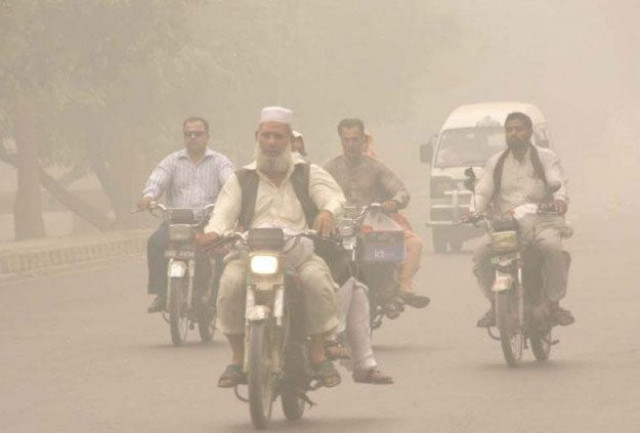
As 2025 draws to a close, Punjab’s environmental landscape reflects a complex combination of political ambition, gaps in law enforcement and persistent threats to public health driven by air pollution and worsening smog. The Environmental Protection Department (EPD), under increasing pressure from the courts, civil society and international climate observers, struggled all year to balance regulatory responsibilities with industrial and municipal pressures. The province entered 2025 with promises of aggressive reforms, digitized monitoring, stricter emissions tracking and coordinated anti-smog plans. However, despite the policy announcements, the province continued to witness dangerous episodes in the air quality index (AQI), especially in Lahore, Faisalabad, Gujranwala and Sheikhupura. Annual AQI trends remained at "unhealthy" to "very unhealthy" for more than half the year, highlighting the magnitude of the environmental crisis. During the previous winter, Lahore was once again among the most polluted cities in the world. EPD’s seasonal anti-smog measures (closing polluting brick kilns, industrial inspections, dust control checks, and traffic management plans) produced only brief improvements. Many furnaces clandestinely returned to traditional combustion methods, while small industrial units continued to operate without emissions filters. EPD officials admitted that "Compliance remained inconsistent due to labor shortages," a recurring problem in the department’s compliance capacity. One of the most contentious issues of 2025 was construction-related pollution. Several large development projects were flagged for generating excessive dust and violating environmental guidelines. The sites received notices and fines, but civil society organizations said the law’s enforcement was more symbolic than corrective. Lahore residents complained of rampant dust clouds in major corridors including Ferozepur Road, Ring Road localities and central business districts.
Smog, scrutiny and slow progress