
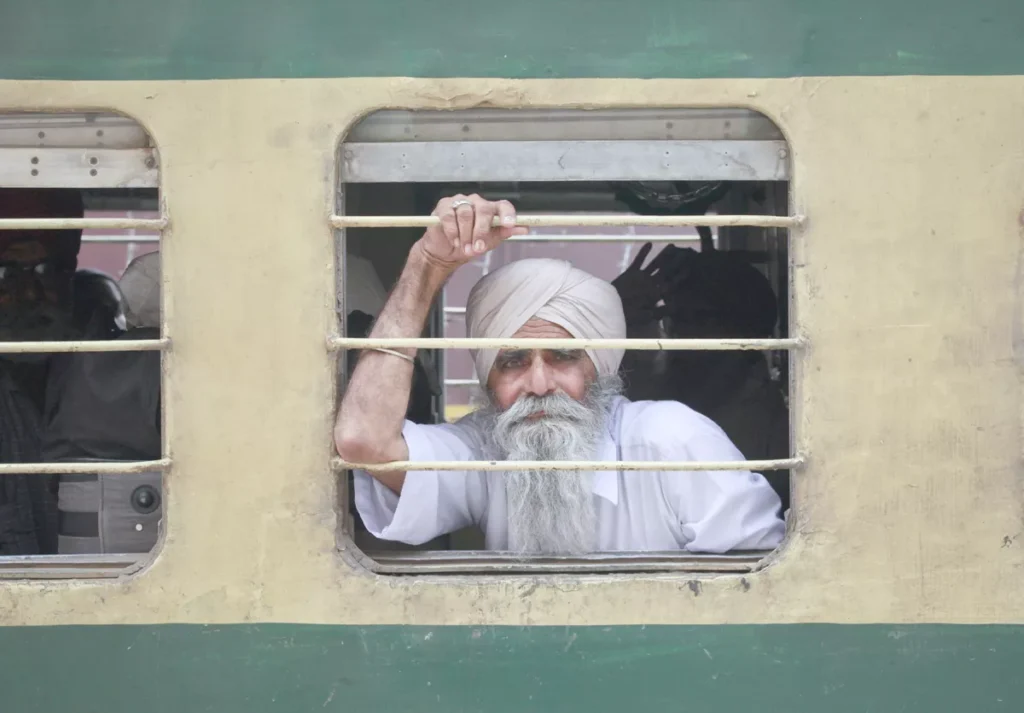
Punjab Chief Minister Maryam Nawaz Sharif on Thursday announced a legal exemption for members of the Sikh community from wearing helmets while riding motorcycles, citing respect for their religious obligation to wear turbans. [locally known as dastars].
The announcement, made during a Christmas celebration ceremony in Lahore, comes amid a province-wide traffic crackdown following recent amendments to the Motor Vehicles Ordinance that dramatically increased fines and penalties, particularly affecting two-wheeler drivers, who make up the bulk of Punjab’s commuters.
رمیش سنگھ اروڑہ صاحب کی بات ہم سب کے دل کی آواز ہے۔ دنیا نے وہ مناظر دیکولر دعووں کی حقیقت عیاں کر دی۔ وہ نقاب منافقت سے اتارا گیا۔
ہیلمٹ قانون کا مقصد صرف جان کا تحفظ ہے۔ سکھ برادری اور عقیدہ ہے۔ اسی احترام کے… pic.twitter.com/7E6qbq6h1z— PMLN (@pmln_org) December 25, 2025
The exemption, if formally notified, would create an exception to Section 89-A of the Provincial Motor Vehicle Ordinance, which requires the use of protective helmets for motorcyclists.
However, no official notification, amendment or gazette order has yet been issued to make the exemption operational. As of December 26, 2025, neither the Punjab government nor the Punjab Traffic Police have issued enforcement guidelines or clarified how eligibility would be checked on roads.
Read: Sikh motorcyclist criticized for not wearing helmet despite exemption
The Punjab traffic police launched a strict enforcement drive in the last week of November after amendments to the Motor Vehicles Ordinance, 1965 increased fines and punishments for traffic violations. Thousands of arrests were made and fines worth millions of rupees were imposed, with helmet violations forming a major part of the action.
The crackdown sparked a public backlash, with criticism of the high fines dominating social media, often in the form of memes. Concerns were also raised by members of the Sikh community, for whom wearing a turban at all times is a religious obligation, making helmet use impractical.
Addressing the ceremony in the presence of the President of Pakistan, representatives of Pakistan Sikh Gurdwara Parbandhak Committee (PSGPC), Federal Minister for Minority Affairs Ramesh Singh Arora and other minority leaders, the prime minister framed the move as part of a broader minority rights policy.
Moments before announcing the exemption, Maryam Nawaz criticized an incident in India in which a dignitary removed a Muslim girl’s hijab during a ceremony, calling it emblematic of what she described as India’s “hypocrisy over secularism.”
He also highlighted the recent measures taken by the Punjab government in favor of minorities, including increasing the quota of Minority Welfare Card from 75,000 to 100,000 beneficiaries.
No clarity on implementation
Despite widespread media coverage of the prime minister’s comments, there is still no clarity on the application of the law, including whether Sikh drivers will need documentation, how traffic wardens will identify exemptions or when the law will be formally changed.
A Punjab government source said the decision comes after multiple interactions between the prime minister and Sikh representatives, adding that the parameters for implementation have been discussed and will be announced gradually.
The move has been very well received by members of the Sikh community. Lahore resident Sardar Bishan Singh called it a “great decision” and said the government had shown respect for the cultural and religious significance of the turban.
However, some analysts warn that the exemption could trigger broader religious debates, and that members of other head-covering communities, such as pagri or ammama, could demand similar treatment.
Read more: Sikh community exempted from helmet law in Peshawar
Similar exemptions have been granted for Sikh passengers in other jurisdictions. Khyber Pakhtunkhwa allowed such an exemption several years ago, while India also incorporated it into the law through amendments. Comparable precedents exist in other regions with significant Sikh populations.
However, the announcement has also raised questions about road safety, with critics wondering how the government plans to ensure protection for Sikh drivers in the absence of helmets, especially amid a crackdown aimed at reducing fatal accidents.
However, until a formal notification is issued, the legal status of the exemption remains uncertain, leaving both passengers and traffic authorities in a gray area.


