Two popular leaders have formed an alliance ahead of Nepal’s March parliamentary elections that will challenge the older parties, which have dominated the Himalayan nation’s politics for more than three decades, party officials and analysts said on Monday.
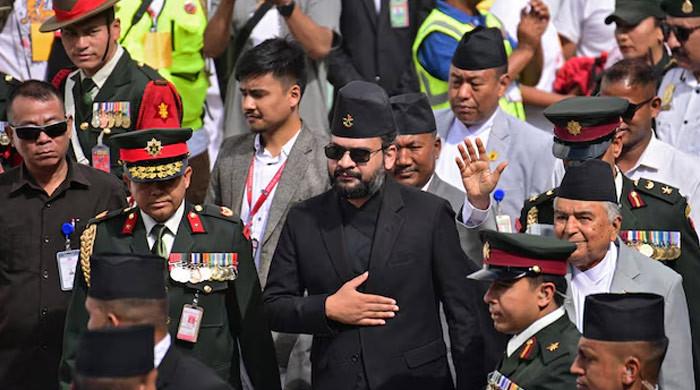
Rapper-turned Kathmandu mayor Balendra Shah, known as Balen, a popular elected official, on Sunday joined the Rastriya Swatantra Party (RSP) or independent national party, led by former TV anchor-turned-politician Rabi Lamichhane, party officials said.
They said that under the agreement with the RSP, Balen, 35, will become prime minister if the RSP wins the March 5 election, while Lamichhane will remain party chief.
Both have promised to address demands raised during the “Generation Z” or youth protests against widespread corruption in September, in which 77 people died and led to the resignation of Prime Minister KP Sharma Oli.
“It is a very smart and strategic move by the RSP to bring in Balen and his young followers,” said analyst Bipin Adhikari.
“Traditional political parties are suffering from the fear of losing their young voters to the RSP,” he said.
The electoral commission says nearly 19 million of Nepal’s 30 million people are eligible to vote in the election. Almost a million voters – mostly young – joined after the protests.
Balen was in the spotlight after the protests and was an undeclared leader of the youth who led the September protests.
He also helped form former Chief Justice Sushila Karki’s caretaker government to oversee the vote.
Oli’s Communist Party of Nepal (Unified Marxist-Leninist) or UML and the centrist Nepali Congress party have shared power for most of the last three decades and Balen is very likely to challenge them.