
South Korean retail traders have continued to pile into Ether hoarder BitMine Immersion Technologies Inc. even after the U.S.-listed stock collapsed more than 80% from its July peak, making it one of the year’s most extreme examples of speculative demand surviving a crash.
BitMine will close out 2025 as one of the most popular foreign stocks among South Koreans, ranking second only to Alphabet Inc. in net purchases, according to Korea Securities Depository data cited by Bloomberg.
Local investors have poured a net $1.4 billion into the company this year, remaining active buyers even as the stock fell about 82% from its July 3 high.
The stock boom began after BitMine announced a pivot from bitcoin mining to building an ether treasury, positioning itself as a listed vehicle designed to accumulate ETH.
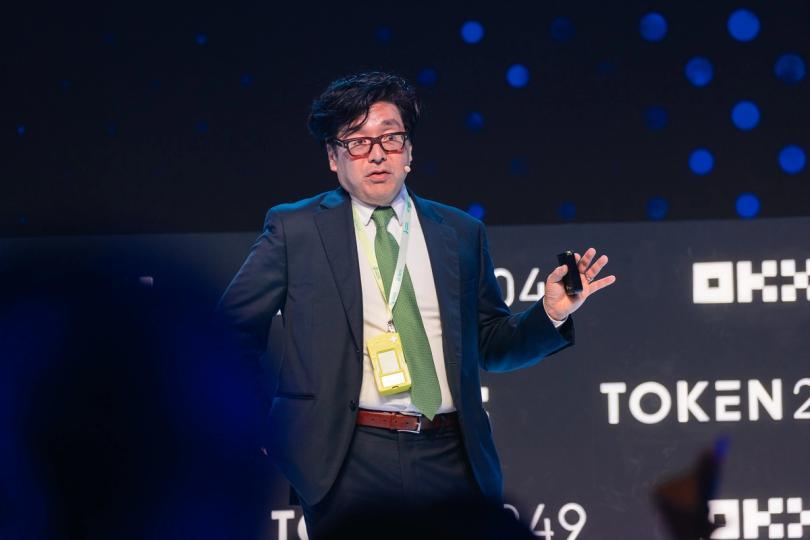
The move sparked a rally of more than 3,000% in early July, lifting the company from obscurity to the top of foreign stocks bought by South Koreans. The company is backed by billionaire Peter Thiel and run by Tom Lee, a Wall Street forecaster known for his optimism about cryptocurrencies.
The buying has not been limited to the underlying shares. South Korean traders also sought even higher octane exposure through T-Rex’s 2X Long BitMine Daily Target ETF, a leveraged product that targets double the stock’s daily return.
Investors have funneled $566 million into the ETF, a drop of about 86% from its September peak.
BitMine’s appeal is tied to its balance sheet. The company holds around $12 billion worth of ether, making it the largest digital asset treasury company dedicated to ETH, according to data compiled by Strategicethreserve.xyz.
Ether itself is down about 11% in 2025, according to market data from CoinDesk, after the wave of listed accumulators helped push the token to a record near $5,000 in August before the rally faded.
For Korean retailers, attractiveness has less to do with stable exposure and more to do with convexity. Ether treasury companies operate as amplified ETH proxies, with equity risk layered on top of cryptocurrency volatility.
That structure creates strong upside during momentum phases and equally steep declines when flows reverse, but it also explains why the stock remains a magnet for South Korea’s high-risk “ant” investor base even after an 80% drop.


