
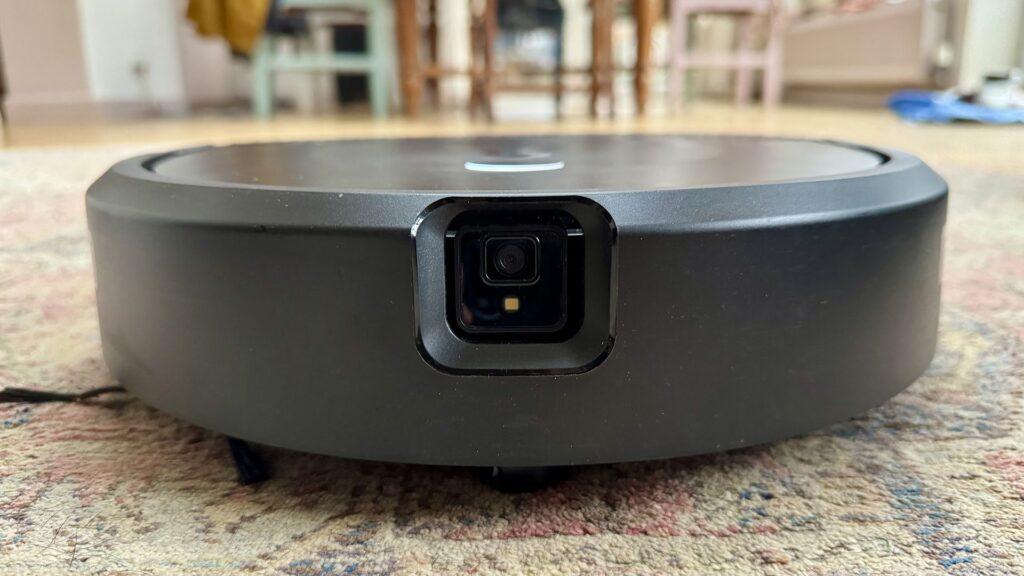
In mid-December we learned that iRobot, the company behind the iconic Roomba robot vacuum brand, was being acquired by contract manufacturing company Picea, as a result of years of financial struggles.
I sat down with iRobot CEO Gary Cohen shortly after the news broke to find out what this meant for the brand. He confirmed that in the short term it would be business as usual (including continuing to support the current line of bots), but beyond that, Cohen, who was hired to help get iRobot back up and running in May 2024, has big plans for the robovac veteran.
Here are 4 things that could be on the way from iRobot…
1. Robot vacuum cleaners suitable for technophobes
Cohen describes how opening a Roomba box gives him “PTSD”: “It’s not a consumer-friendly experience. It’s like I’m afraid to plug it in: Will it connect to Wi-Fi? What’s 2.4 gigahertz versus 5? Why can’t these things just be set up seamlessly so I don’t have to worry about it?”
iRobot teams are working to reduce these pain points and, as a result, make robotic vacuum cleaners more accessible to more people. In fact, Cohen believes that ignoring consumer needs was one of the big mistakes that ultimately contributed to iRobot ending up in this situation.
This is in contrast to the rest of the market, which seems to be completely geared towards adding more features and increasing the specifications of robot vacuum cleaners. While Cohen admits that iRobot will “never win feature wars with its competitors,” he also believes this is not the right approach when the robot vacuum category only has 20% market penetration.
“We have to grow the category. That’s how we’re going to grow our business,” he says. “It just has to work, right? And if it works, people will fall into that category more.”
2. Robot vacuum cleaners for smaller spaces
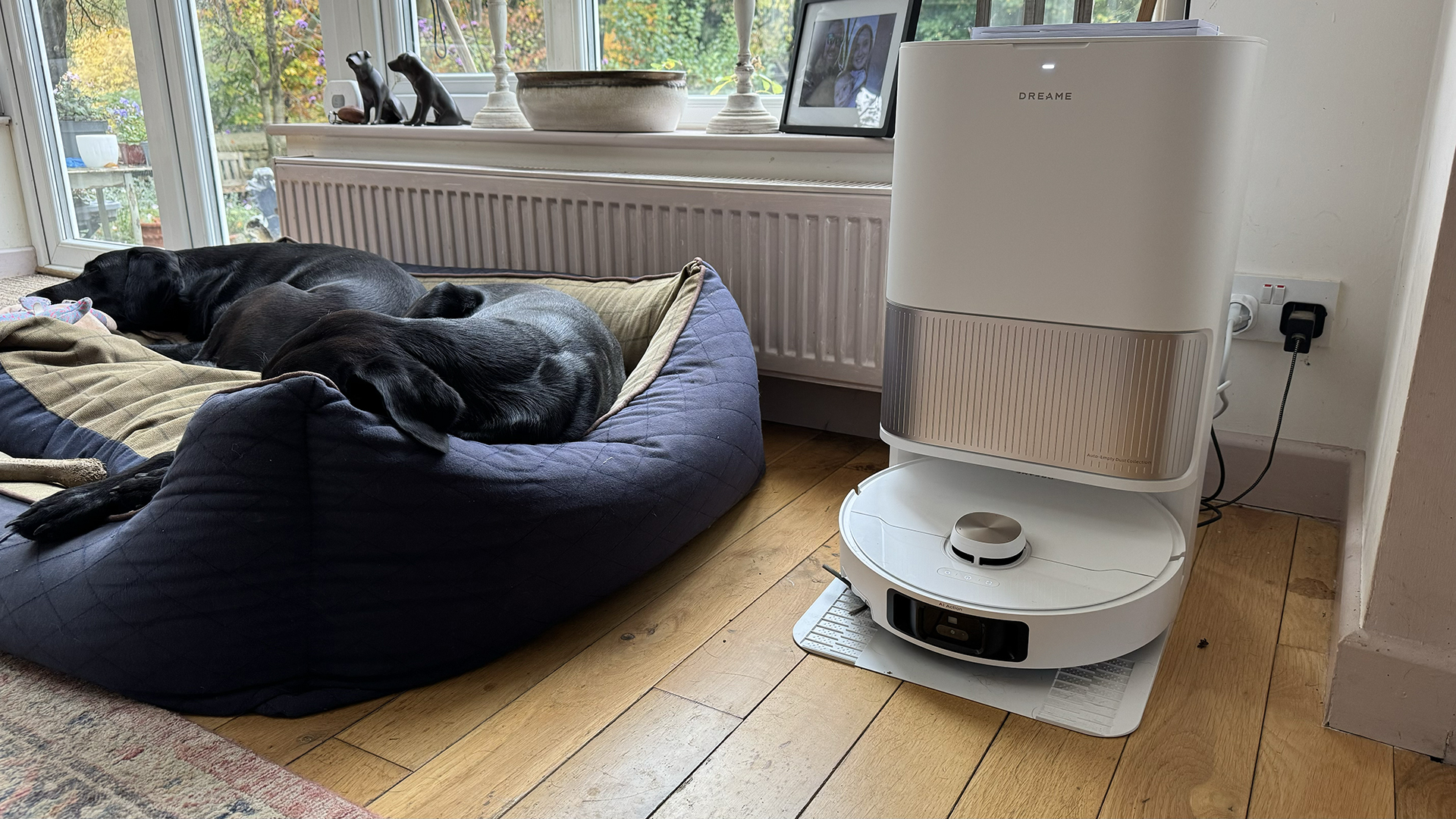
Beyond improving basic usability, Cohen also wants to address different consumer segments. The trend right now is to have larger and larger docks that take care of all kinds of maintenance tasks for you. They have their place (there are several excellent examples in my ranking of the best robot vacuum cleaners), but they are not suitable for all customers.
“With my team, I have visited small apartments in Japan, where the typical apartment size is 500 square feet,” he recalls. “Well, they’re not putting these multifunctional cleaning devices in the middle of the hallway of a Japanese apartment. So what kind of product do you have to develop to grow the category? And by the way, that information travels to Europe, to big cities, to the US, and to bedrooms.”
3. Most innovative robot vacuum cleaners
In recent years, iRobot has fallen behind the competition when it comes to innovation, but Cohen says that’s not due to a lack of technology or imagination. “There is nothing that appears at CES that I didn’t find in our closet when I joined the company. There is no end to the ideas,” he emphasizes.
The problem has been figuring out how to turn ideas into products effectively. “Our challenge was – before [the failed Amazon merger]”But especially during the period of Amazon’s pendency: we weren’t able to commercialize many of the great ideas that the previous team had developed,” Cohen continues. “My goal, in addition to being consumer-oriented, is to help commercialize some of these great ideas.”
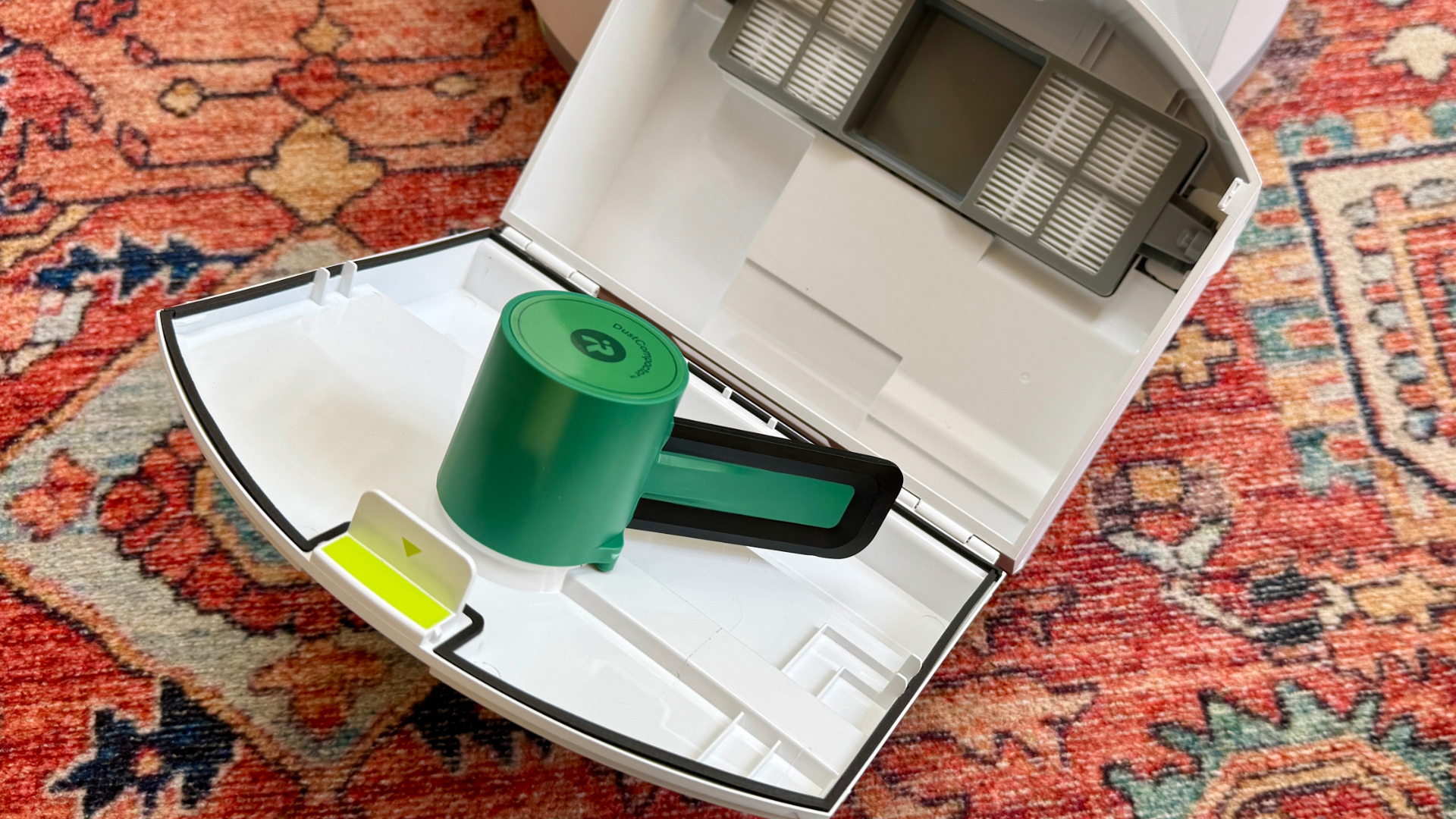
On this front, new owner Picea will be useful, and not just because it brings with it many new patents (Cohen puts the number at more than 1,000, on top of the more than 1,000 that iRobot had in the first place). “When you have a manufacturing partner, you can design to manufacture,” Cohen says. “We will be able to bring innovative ideas to consumers better and faster than even our competitors.”
4. Robots that are not vacuum cleaners
Officially, Cohen is saying “nothing” about what iRobot will release in the immediate future. However, he’s more than happy to drop some pretty specific hints.
“We have to be more than just robotic cleaning devices for vacuum cleaners and mops,” he says. “There’s a lot of space outside on the grass for the robots. There’s a lot of places in the pool or on the windows for the robots.” He explains that going beyond robovacs was actually the plan before they even joined, but they had a hard time executing it.
“This is how we are going to grow the category and leverage the brand, and Picea has the desire and the ability to join us on that journey.” I will be watching with interest.
Follow TechRadar on Google News and add us as a preferred source to receive news, reviews and opinions from our experts in your feeds. Be sure to click the Follow button!
And of course you can also follow TechRadar on TikTok for news, reviews, unboxings in video form and receive regular updates from us on WhatsApp also.
The best robot vacuum cleaners


