
- Intel’s cheapest CPUs now defy AMD’s high-end pricing logic
- Performance gaps narrow as AMD charges more for modest desktop gains
- Energy efficiency and cost pressure reshape high-end CPU value
I’ve already written about Intel quietly taking over the lower end of the desktop CPU market, where chips priced around $200 now offer performance that used to be much higher up the stack.
What makes things even more uncomfortable for AMD, however, is the fact that a similar pattern is spreading towards the high end, where Team Red prices no longer extend as far as they once did.
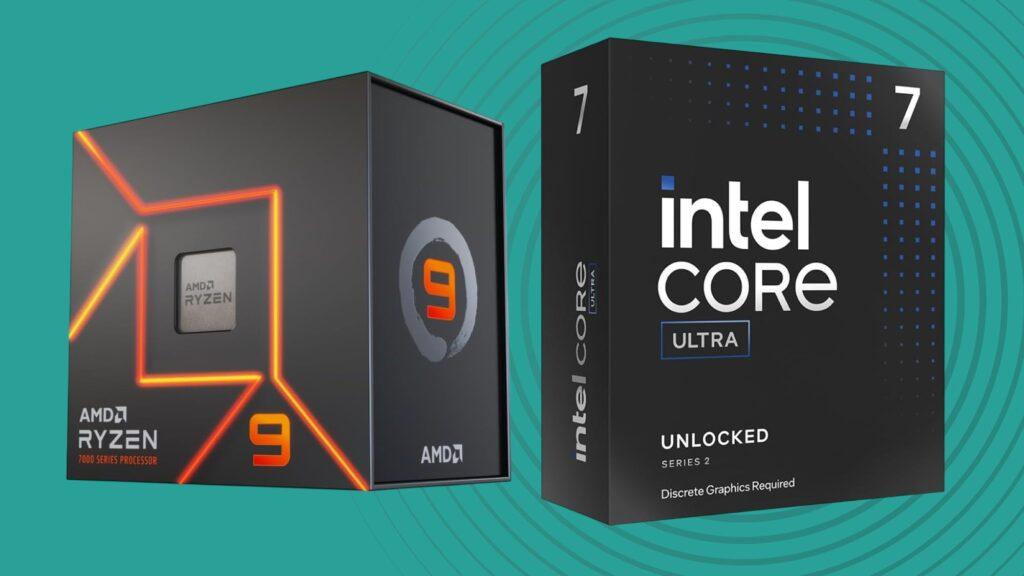
A comparison between AMD’s Ryzen 9 7950X and Intel’s Core Ultra 7 265KF shows why. On paper, the Ryzen part looks comfortably dominant with 16 cores and 32 threads, while the Intel chip maxes out at 20 threads using a mix of performance and efficiency cores. The baseline results, however, tell a less dramatic and much more interesting story.
AMD ahead…marginally
The Ryzen 9 7950X scores around 62,260 on PassMark’s CPU mark, while the Core Ultra 7 265KF scores around 58,734. That puts AMD ahead, but not by much, especially considering the hardware and pricing differences.
Single-threaded performance further narrows the gap. Intel’s processor scores around 4926, slightly ahead of the Ryzen 9 7950X at around 4876, which is important for everyday desktop workloads that don’t scale cleanly across dozens of threads.
The price makes the situation more difficult to defend. The Core Ultra 7 265KF sells for around $270 on Amazon, while the Ryzen 9 7950X can be found selling for a much more expensive $501 at B&H.
Paying almost twice as much for a single-digit percentage advantage in aggregate benchmarks shifts the value argument away from base counts toward efficiency.
Energy consumption adds to that imbalance. AMD’s chip is rated at 170W compared to Intel’s 125W, and estimated annual power costs reflect that difference at about $31 for the Ryzen processor versus about $23 for Intel’s chip.
The Ryzen 9 7950X still has a place in highly threaded workloads, such as rendering, simulation, and large-scale code compilation, where its additional threads remain busy. Outside of those scenarios, that advantage diminishes quickly.
In my previous analysis of the sub-$200 segment, I said that Intel was starting to look like the old AMD by offering more performance for less money.
In the high range, the roles do not change completelyBut the pressure feels familiar, as Intel offers close enough performance that AMD’s premium price is hard to justify.
Follow TechRadar on Google News and add us as a preferred source to receive news, reviews and opinions from our experts in your feeds. Be sure to click the Follow button!
And of course you can also follow TechRadar on TikTok for news, reviews, unboxings in video form and receive regular updates from us on WhatsApp also.


