
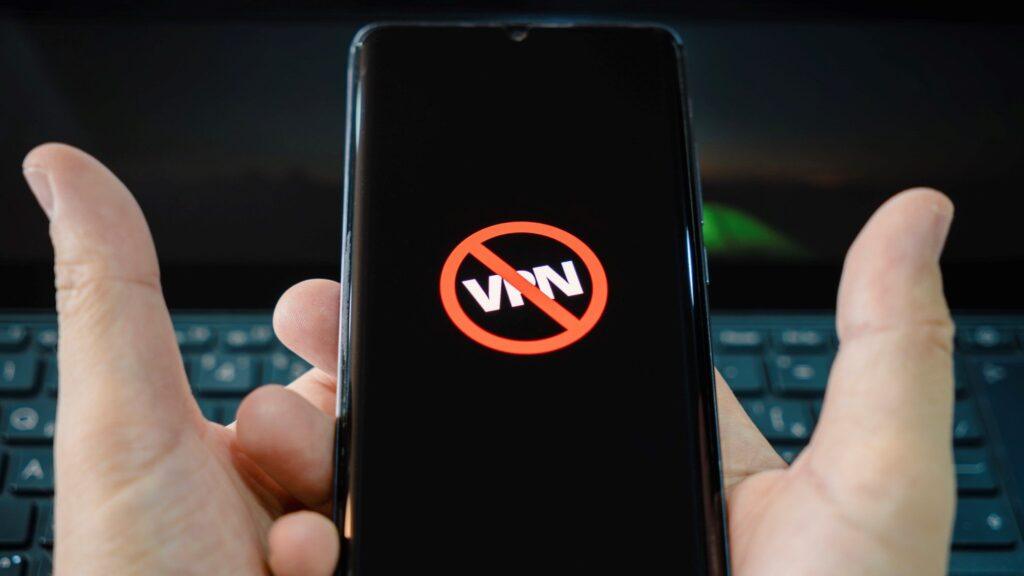
- Jammu and Kashmir authorities issue 2-month VPN ban
- Police have already identified 800 users accessing unauthorized VPNs
- Digital rights experts consider the order “legally inadmissible”
Citizens of the Indian-administered region of Jammu and Kashmir can now be prosecuted for using VPN apps.
Authorities invoked Section 163 of India’s criminal procedure code on December 29 to effectively impose a blanket two-month ban on unauthorized VPN use.
The Jammu and Kashmir administration justified the ban as necessary to stop malicious activities linked to the software and has restricted its use to government-approved services only.
While authorities remain hostile toward the technology, VPNs have become a vital tool for residents seeking to overcome internet censorship and protect their communications.
Speaking to Techradar, Raman Jit Singh Chima, senior international advisor and Asia Pacific policy director at Access Now, said: “Law enforcement agencies are trying to force ordinary people not to use VPNs, and that’s alarming.”
“Legally inadmissible”
Serious concerns have also been raised regarding the legality of the restrictions.
“It is legally inadmissible,” Chima said. “Blocking VPNs as an entire technology is not something that should be within the scope of the criminal emergency powers they are using.”
This is not the first time that the region’s authorities have resorted to these types of measures. Chima noted that police pressured residents about using VPNs during the internet shutdown that began in August 2019 and that It lasted more than 550 days.
The nation at large is also no stranger to anti-VPN pressure. Many companies, including NordVPN, Proton VPN, ExpressVPN, and Surfshark, removed their physical servers from India in 2022. This followed a data retention law that required them to record a large amount of user data for authorities.
The current ban is set for two months, although this may be a formality. “The reason the orders are time-limited is that generally, under the law, rolling, blanket prohibition orders cannot be issued,” Chima explained, cautioning that extensions remain a possibility.
What’s next?
Given the current legal threats, Chima declined to offer practical advice on how to access the software.
However, for those willing to take the risk, VPN providers generally recommend switching to obfuscated protocols. They are designed to bypass blocking by masking VPN traffic as standard web activity.
In Jammu and Kashmir, police have been making random arrests and house-to-house checks by searching mobile phones to enforce a local VPN ban. A reminder that the Proton VPN mobile app has a “discreet icon” setting to help disguise it. Here’s how: pic.twitter.com/WPZtKTRuJ7January 8, 2026
It remains to be seen whether authorities can legally maintain the ban for much longer. That’s why Chima urges both individuals and the broader tech industry to challenge the order in court.
“YO I think it’s very important that they respond and say, “How is this legal and acceptable?” even just from a procedural perspective,” he told TechRadar.
“It’s a blanket ban on an entire type of technology. And that’s deeply problematic and disturbing, and it’s not something the federal government should agree to.”
We test and review VPN services in the context of legal recreational uses. For example: 1. Access a service from another country (subject to the terms and conditions of that service). 2. Protect your online security and strengthen your online privacy when you are abroad. We do not support or condone using a VPN service to break the law or conduct illegal activities. Future Publishing does not endorse or approve the consumption of paid pirated content.
Follow TechRadar on Google News and add us as a preferred source to receive news, reviews and opinions from our experts in your feeds. Be sure to click the Follow button!


