
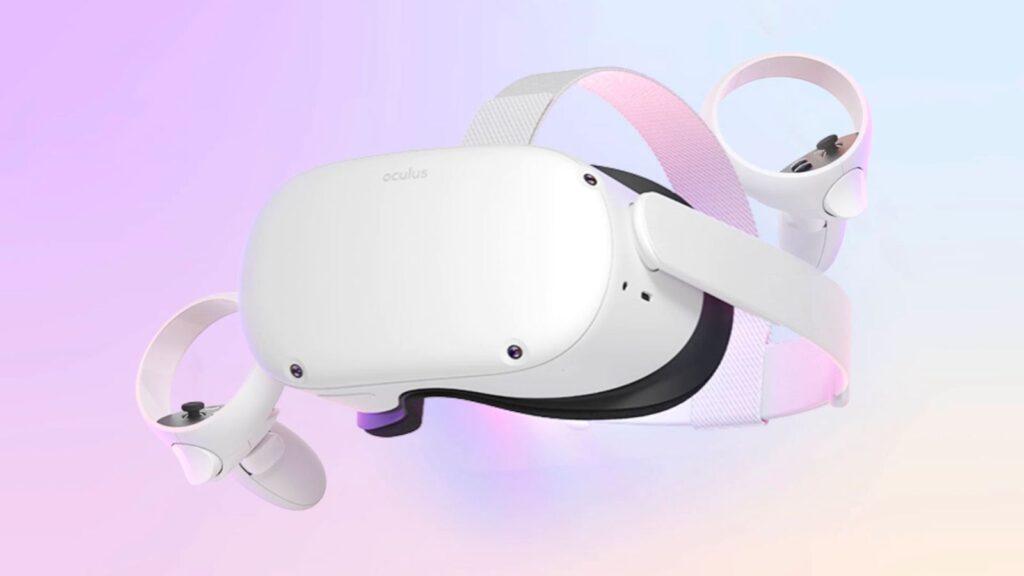
- Palmer Luckey doesn’t think Meta’s layoffs are a bad thing for VR
- The Oculus founder shared his thoughts on social media.
- Unfortunately, this writer does not share his optimism.
We’re still reeling from Meta’s closure of several first-party VR software studios, but at a time when it seems like VR is in a serious crisis, some are choosing to look on the bright side and argue that this is, in fact, a good thing for the industry.
A strong voice among that crowd is Palmer Luckey, the founder of Oculus VR, who later founded military contractor Anduril Industries after being fired by Facebook in 2017 after acquiring Oculus, who took to social media to say that the layoffs are “not a disaster.”
He added: “I think it’s a good decision and I thought the same when I was still at Oculus.” He explained later in his lengthy post that: “All developers, big and small, even the hyper-efficient ones, have had a hard time competing with games developed by Meta-owned teams with budgets and teams spending far more than their revenue potential.”
I have an opinion on the Meta layoffs that is contrary to that of most of the VR industry and much of the media, but is firmly held. This is not a disaster. They still employ the largest team working on VR by about an order of magnitude. No one else is even close. The “Goal is…January 19, 2026
Luckey is not the first person to highlight these problems with Meta’s strategy. We know you’ve been pouring money into VR in a way that many other developers, both on the hardware and software side, simply can’t. In turn, this has created a de facto one-party system.
Why buy anything other than a Meta Quest headset when it has the best software support and the best (or almost the best) hardware for the price charged?
Although when it comes to the Quest ecosystem specifically, the games produced by these studios were hardly “displacing the rest of the entire ecosystem,” as Luckey put it. One, maybe two VR games a year from Meta itself aren’t drowning out the plethora of amazing VR games and apps out there, but the onslaught of Horizon Worlds and freeware clogging up the top spots on the Meta Store and promotional carousels certainly is, and according to UploadVR’s report, plenty of developers were complaining about this even a year ago.
While free titles will keep some users active, the big attractions are what draw people in, especially games like Batman: Arkham Shadoweither Marvel’s Deadpool VR with very recognizable IP. However, with virtual reality still in its relatively nascent stage, investment is needed to make these blockbuster titles a reality.
Now, without those teams creating easily recognizable franchises that convince people to immerse themselves in VR, I can see VR’s popularity plummeting.
What’s more, if you look at the move from a hardware perspective, you see that Meta has also kept its third-party HorizonOS headsets, devices that would have seriously helped VR not feel like a one-horse race.
Taken individually, perhaps you could understand the positives that people like Luckey are seeing. However, if you look at the bigger picture, the dark clouds seem to stretch for miles in all directions.
A step in a new direction or more missteps?
This also doesn’t take into account the smart glasses aspect of Meta’s mistake, and how the VR experience he just lost could have played a vital role in his alternate XR future.
Especially now that display glasses look set to become the next big thing, Meta will want content for its smart specs, and games and fitness apps will be essential here just as they were in VR.
Imagine being able to have a virtual Supernatural The trainer will help you exercise in your local park in AR, or some kind of IRL AR multiplayer game that was developed using the spatial computing expertise of the same studios that Meta just closed.
To that end, this measure, once again, does not seem too sensible.
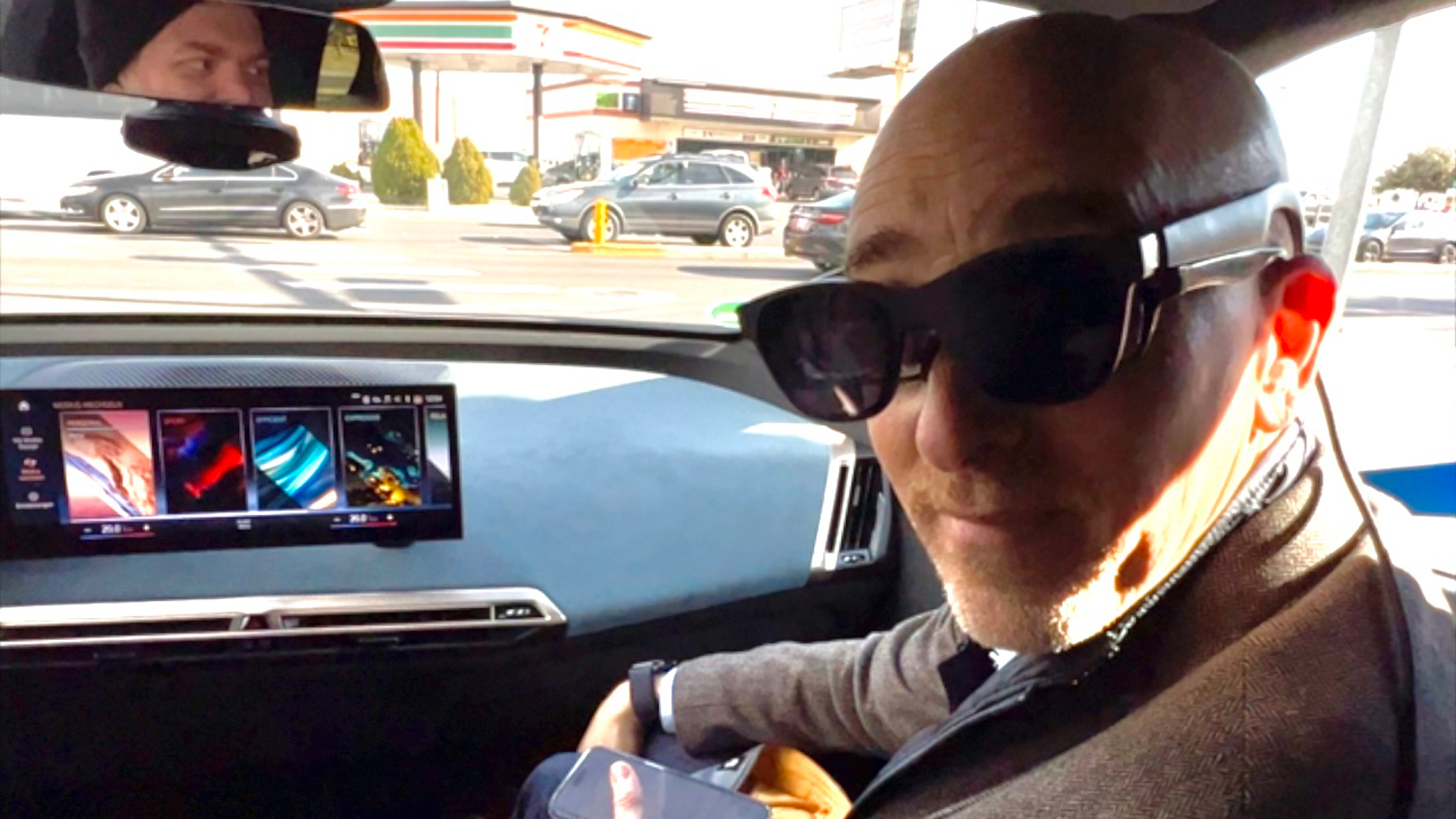
Meta has arguably made a lot of mistakes with the Quest headset. There’s plenty of good stuff too, but essential services like productivity and entertainment have lagged behind smart glasses rivals I’ve tested.
But as many have said, it seems that Meta has decided to move away from virtual reality and unlike Luckey, I don’t think this is good for the industry. I hope I’m wrong, but the more I think about the wider space, particularly the rise of glasses over headsets, I can’t help but feel like this is a death sentence for VR, as space will potentially hit an ice age that will last for many years before things return to normal.
Maybe, if I’m lucky, I’m wrong. There are still plenty of great third-party VR developers out there, and we have Steam Frame set to land later this year, so maybe they’ll keep the flag flying. I’m just not feeling too optimistic right now.
And of course, you can also follow TechRadar on YouTube and tiktok for news, reviews, unboxings in video form and receive regular updates from us on WhatsApp also


