
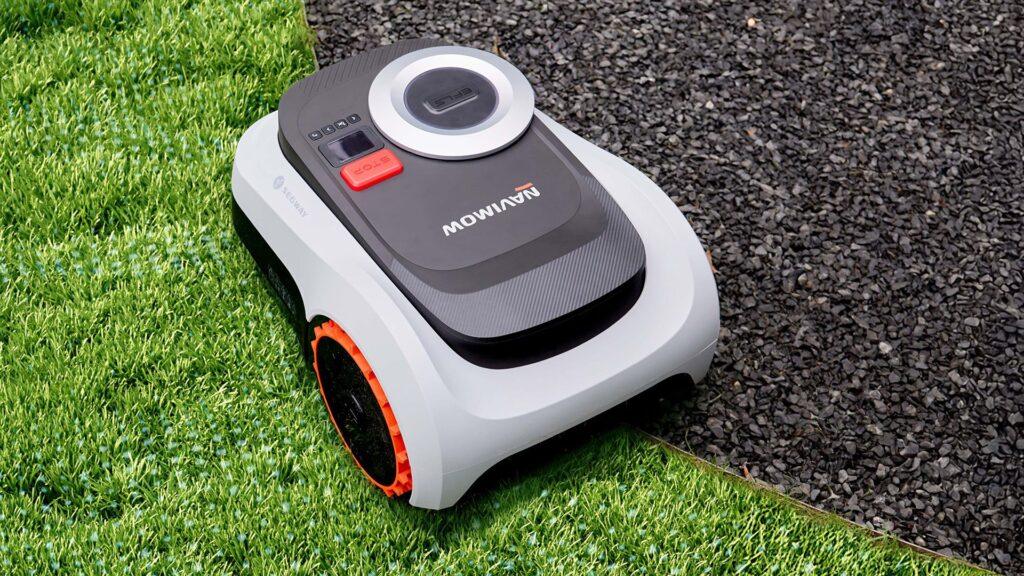
Robot lawnmowers can save a lot of effort, but there is a bit of a learning curve to getting started with one. I say this as someone who almost had a breakdown trying to try out their first lawn robot (I’m happy to say I’ve mastered them ever since). However, it looks like future owners could skip this stressful stage entirely thanks to the introduction of a new type of navigation technology.
In fact, it’s one of the hottest tech trends for 2026. This light-based positioning system is already the standard in the best robotic vacuums, and now it looks like it’ll make its way beyond that market as well. I had the opportunity to chat with Tony Ho, VP of Business Development at Segway Navimow, about this particular development and why it’s so important.
LiDAR works by shooting beams of light and using time-of-flight sensors to measure how long it takes for these rays to bounce back. Then, using that information, it discovers where objects are placed, allowing it to build a 3D map of a space.
Segway Navimow has introduced the i2 LiDAR as part of its new i2 compact lawnmower range, and is far from the only robotic lawnmower brand following this approach. From the Roborock
Why is the LiDAR lawnbot so important?
While LiDAR isn’t perfect for all scenarios (I’ll discuss its limitations later), it has some important benefits. You won’t need to look for a place to host an RTK station; You won’t have to deal with your robot getting lost every time there is a tree blocking the satellite signal; and you definitely won’t need to run any boundary wires. Since LiDAR generates its own light rays, it will also work in the dark.
In some situations, you will be able to take your new lawn robot out of the box, place it on the ground, and it will be able to identify its surroundings and start mowing. “LiDAR itself can essentially map,” explains Tony. “So [it’ll] locate the robot and also automatically map the grass.” Some brands market this as a variation of ‘drop and mow’, and it’s certainly appealing.
“LiDAR actually likes obstacles. It’s like humans: We look for landmarks, right? So when we’re trying to navigate, we’re like, ‘Hey, that building is here, that tree is there, therefore I’m home,’ or something like that,” Tony says. “It’s a very similar concept when you first drop the robot. It looks for obstacles around it and uses that information to determine where it is. Then the next time it’s in the same place, it knows where it is. And after it knows where it is on the map, it can start planning the route.”
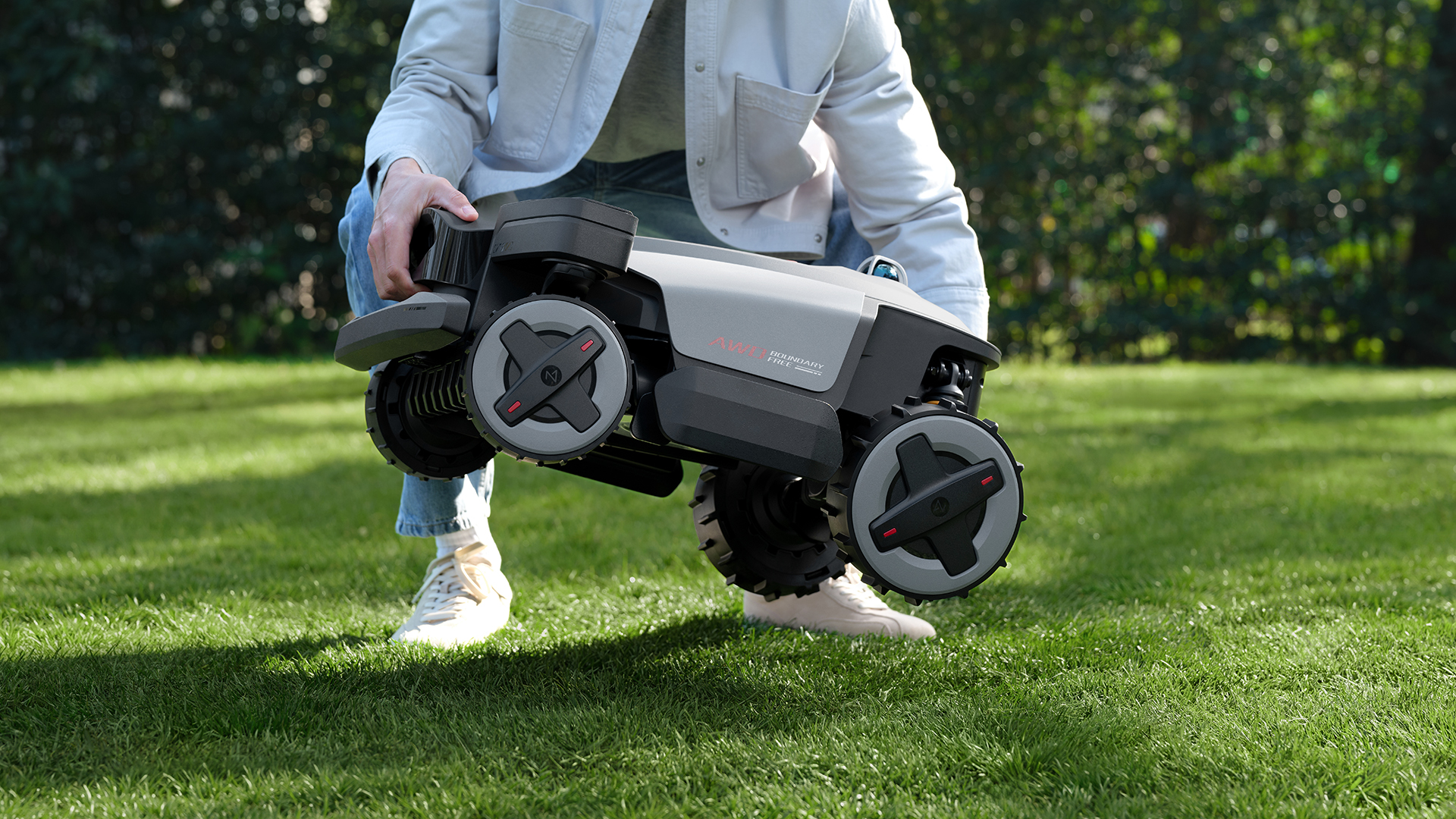
Removing this weak point from the setup process could have important implications for the market on a larger scale. Specifically, Tony believes it could remove the barrier to entry that prevents lawn robots from being widely adopted.
“Even though the current product is already pretty easy to use, some people will say, ‘Hey, I wanted this to be foolproof. Basically, I don’t want to worry about this,'” Tony says of the current setup process. “This LiDAR product will solve many problems. Consumers will adopt [robot lawn mowers] faster.”
“LiDAR is perfect for small yards with obstacles,” he continues. “We love [the i2 LiDAR]. “It’s literally worry-free.”
LiDAR Limitations
LiDAR is not really suitable for use in large, open yards. “If you have an open space, the light rays have nothing to bounce off of,” says Tony (a representative tells me that you can actually get long-range LiDAR, but it’s currently too expensive to be a viable solution in products like this).
Fortunately, these types of obstacle-free zones are especially suitable for other navigation technologies. “Once you’re in open space, the best technology you can use is satellites,” Tony continues. That means that on lawn robots designed for larger areas, including those of the Segway Navimow X4 type, you’re more likely to see traditional satellite and RTK-based navigation.
In fact, many modern lawnbots will combine several different navigation technologies, so that in situations where one fails, another can take over.
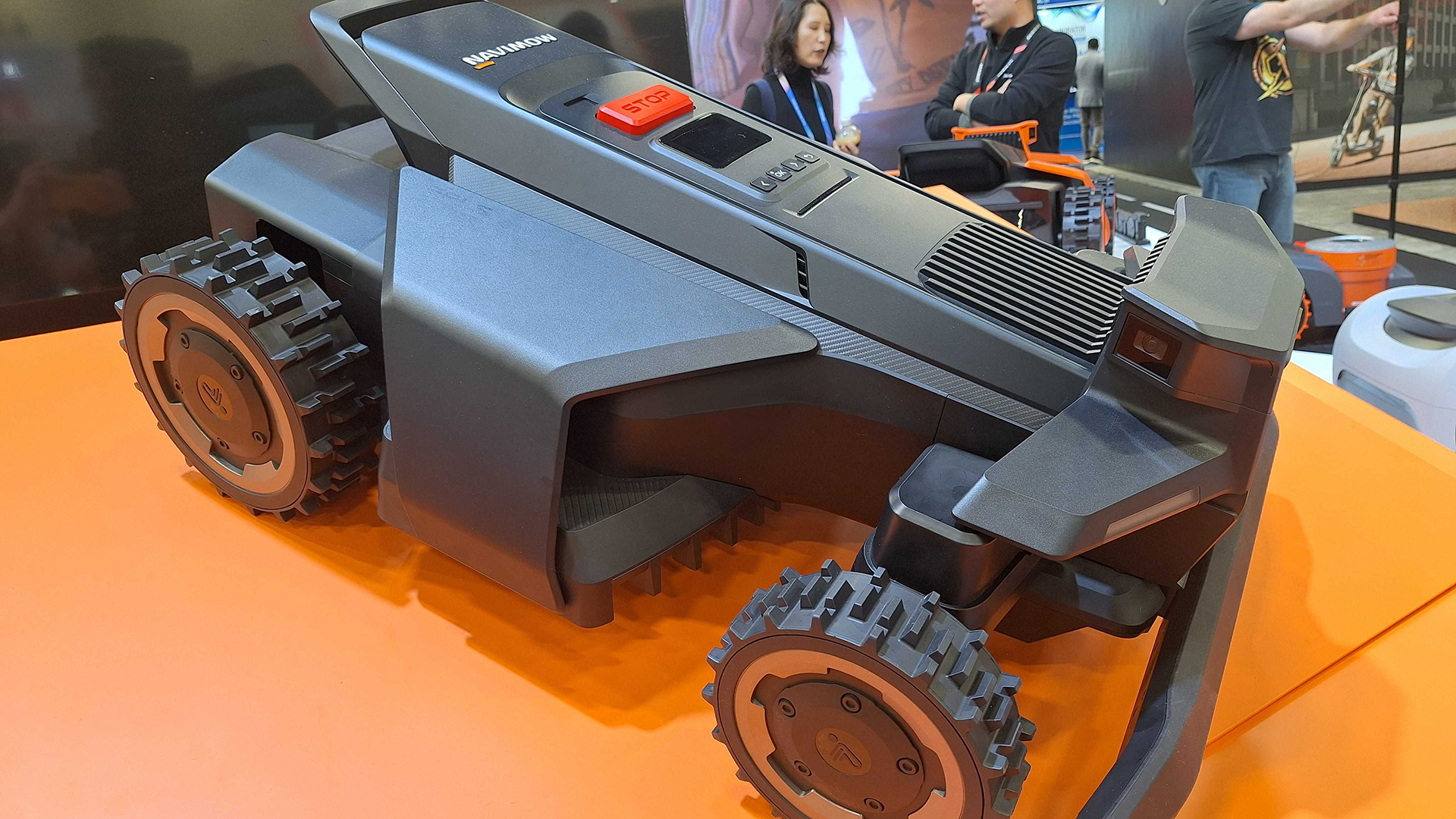
Part of the reason we are now seeing (shorter range) LiDAR on lawn robots is that while it was previously very expensive, it is now starting to be manufactured more widely and therefore prices have dropped.
There is a combination of two different types: mechanical LiDAR, where the module sits on top of the robot, under a kind of lightweight protective casing; and “solid-state” LiDAR, where the LiDAR module is placed in the body of the lawn robot. The mechanical option is more exposed and possibly more susceptible to damage, but offers a 360-degree “view” of the area, which the solid-state version lacks. As for which works best for navigation, there is no clear answer yet – we will have to test and report on this.
Regardless of what prevails, it is certainly an exciting time for robotic lawnmowers.
Follow TechRadar on Google News and add us as a preferred source to receive news, reviews and opinions from our experts in your feeds. Be sure to click the Follow button!
And of course, you can also follow TechRadar on YouTube and tiktok for news, reviews, unboxings in video form and receive regular updates from us on WhatsApp also.


