
- Samsung has reportedly ordered new “polarizer-free” OLED TV panels
- This appears to be the brightest and cheapest new ‘OLED SE’ panel we’ve heard of
- These panels will be more reflective, and Samsung’s lack of Dolby Vision is still relevant
We recently wrote about the arrival of LG Display’s new budget OLED SE TV panel, which promises to cost less than current cheaper OLED TV panels while still being brighter.
LG Display had already confirmed that the screen would be used in 2026 TVs, and I’m making the leap to assume that means it will be in the LG B6, the new budget OLED TV for 2026, which LG confirmed is coming, but said it won’t officially discuss until spring, so probably not before March.
But it will almost certainly come to other televisions as well, because LG Display sells its panels to other companies; we just didn’t know exactly what else to expect to see him in.
A new report from Daily Korea (via FlatpanelsHD) says that Samsung has increased the number of OLED TV screens it is ordering for 2026 TVs by 30%, and it appears that this number includes OLED SE panels.
We can assume this means that Samsung’s budget OLED TV for this year, the Samsung S85H, will feature the new brighter, cheaper panel and will hopefully add a lot more punch than its (still good) 2025 predecessor, the Samsung S85F.
However, all this has a drawback: reflections. A big part of why the new OLED SE panel is cheaper and brighter is that LG Display has removed the polarizing layer, which is the main way these displays reduce reflections, so you can see what’s on the screen better.
That’s actually why we know Samsung is using these panels: the report says Samsung’s purchase includes “polarizer-free panels” and all other OLED displays use a polarizer.
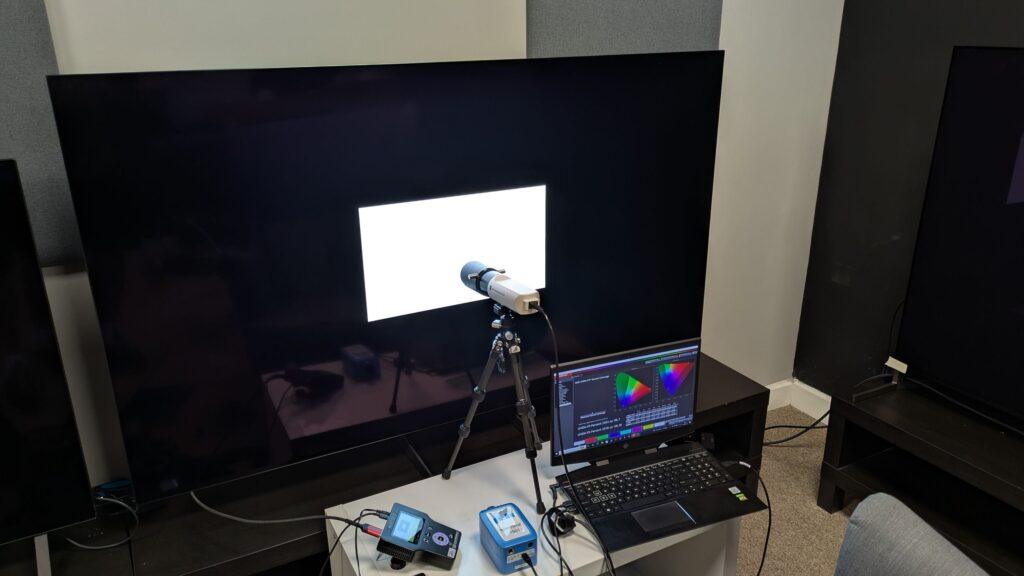
Removing the polarizer is probably the main reason the panels are brighter than before, reaching up to 1000 nits of maximum HDR brightness, compared to the 777 nits we measured on the Samsung S85F. Polarizers absorb light as they work, so removing them is an easy path to a brighter display, even if it comes with the downside of showing stronger reflections.
Instead of the polarizer, FlatpanelsHD reports that this screen will use “a new reflective film” (which I assume is anti-reflective in practice), and says it has a measured light reflectance of 4.4%; This compares to a 0.3% reflectance on LG’s new high-end tandem OLED panel used in the LG G6 (which is one of the 5 CES 2026 TVs we’re most excited to test).
So is the Samsung S85H the cheap OLED to beat? not so fast
While increased reflectivity is the biggest drawback of the new OLED panel, the Samsung S85H will have another drawback of its own: the lack of Dolby Vision HDR support.
Samsung never supports Dolby Vision HDR on its televisions and relies on the rival format HDR10+, of which the company is one of the key creators. However, Dolby Vision currently has broader support among movies and shows on streaming services, even those that support both formats.
The LG B6 will likely use the same panel as the Samsung S85H, but will support Dolby Vision, which could make a real difference.
When our lead TV reviewer, James Davidson, compared the Samsung S85F and the LG B5 (both 2025 models) he found that Dolby Vision made a real difference in picture quality compared to standard HDR when watching the same video on both TVs.
This is because an important feature of Dolby Vision is how it allows the TV to better adapt HDR images for lower light TVs in particular. Most movies and shows are created for 1000 nits of maximum brightness as the highest brightness level, with all other tones calibrated from there, so if a TV can’t reach those brightness levels (as is the case with the budget OLED TVs above), a process called tone mapping must be applied.
Tone mapping means that the TV decides how to reduce those bright elements to something the TV is capable of displaying and, if done wrong, can combine different tones, removing details from them.
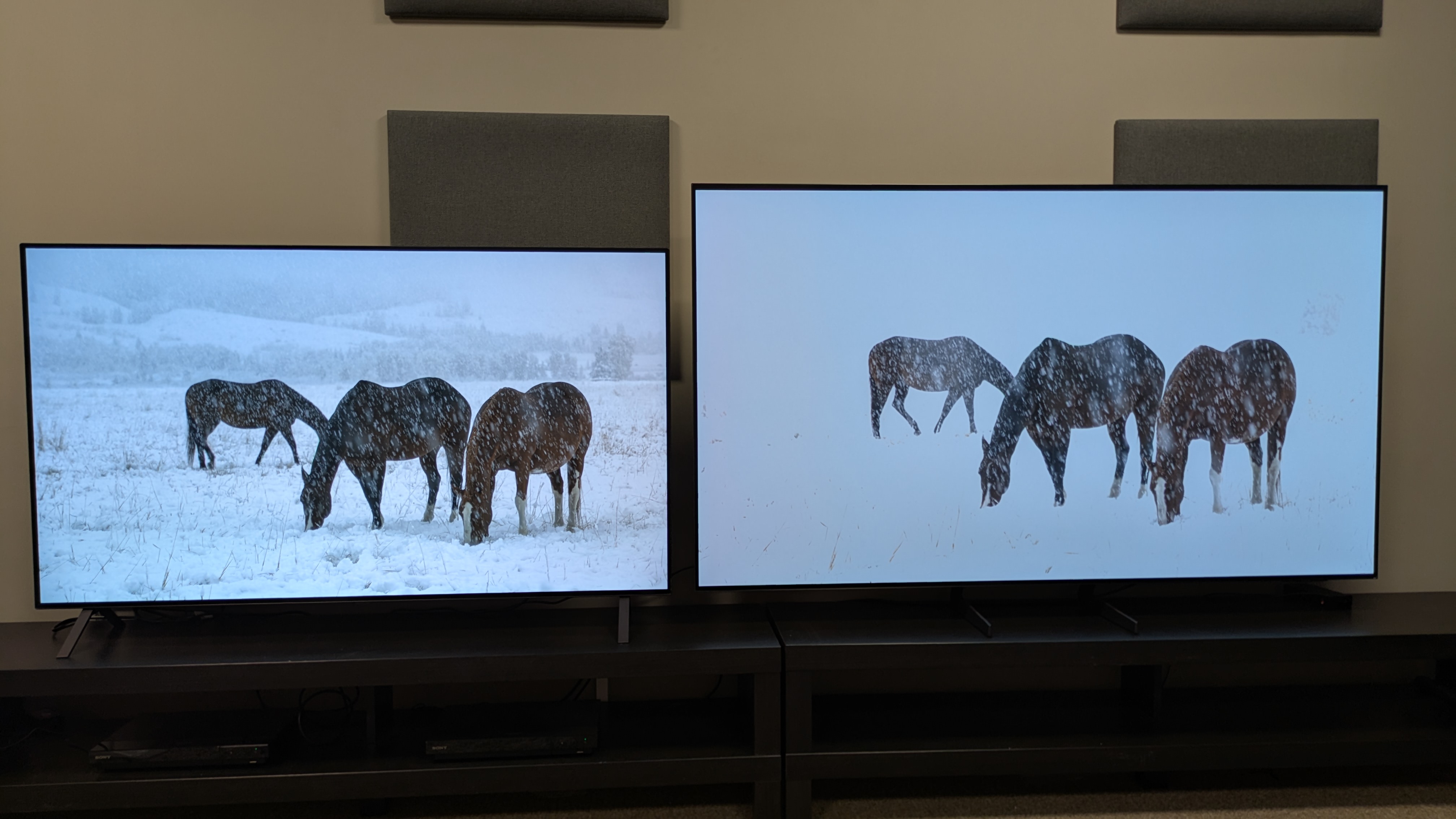
Dolby Vision (and HDR10+) is designed to apply tone mapping as intended by the original creator, so you can be sure it’s done right and retains as much detail as possible.
This process doesn’t matter as much on brighter TVs (although it can still be an issue, and is one of the things Dolby Vision 2 is designed to do), but on these darker TVs, it matters, and even with the brighter panel, these budget OLEDs still seem to be in the zone where it makes a clear difference.
Still, we’re looking forward to testing this new generation of OLED TVs and pitting them against each other; Hopefully, this will be a breakthrough for affordable options among the best OLED TVs.
Are you thinking of buying a new television?
Try our TV size and model finder! You tell you how far you sit from your TV, we’ll tell you what size to buy based on viewing angle advice from picture quality experts, and we’ll recommend our three best TVs in that size at different prices.
Follow TechRadar on Google News and add us as a preferred source to receive news, reviews and opinions from our experts in your feeds. Be sure to click the Follow button!
And of course, you can also follow TechRadar on YouTube and tiktok for news, reviews, unboxings in video form and receive regular updates from us on WhatsApp also.


