
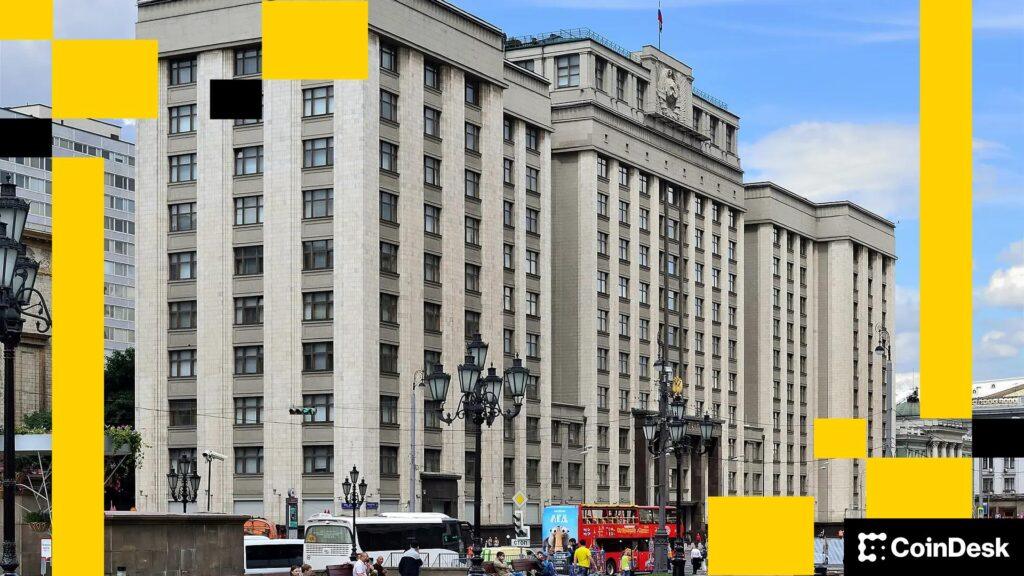
The head of the lower house of the Russian parliament said on Thursday that cryptocurrency market regulations will be ready in June this year and will come into force on July 1, 2027.
Anatoly Aksakov, head of the State Duma Committee on Financial Markets, said that qualified and unqualified investors will be allowed to buy cryptocurrencies, although under separate rules, according to the Duma’s official media outlet.
A limit will be set for cryptocurrency purchases by retail investors and the figure of 300,000 rubles ($4,000) is being discussed, he added.
Qualified investors will also have to undergo mandatory testing to ensure they understand the risks of cryptocurrency transactions, but will be able to purchase any crypto asset in unlimited quantities, with the exception of anonymous ones.
Aksakov also said that the cryptocurrency market framework will include sanctions for illegal activities of cryptocurrency intermediaries that are similar to sanctions for illegal banking activities.
Russia’s central bank unveiled a framework proposal in December that would legalize and regulate cryptocurrency trading for both individuals and institutions, continuing its softening stance toward cryptocurrencies. However, he goes on to warn that investing in cryptocurrencies carries risks, including potential losses. The central bank also said that digital currencies and stablecoins are recognized as monetary assets, but cannot be used for internal payments.
Aksakov said cryptocurrency miners will be allowed to “legalize as much as possible. We plan to establish administrative, financial and, quite possibly, criminal liability for illegal activities in this market in separate legislation.”
The parliamentary news outlet included comments from a lawyer saying that the central bank will be tasked with compiling a list of the top five to ten cryptocurrencies allowed for trading. “These will definitely include BTC and ETH. SOL or TON could also be added, given their popularity in our country. The rest is only intended for qualified investors,” the expert said.
“The Central Bank explicitly says: you cannot buy currencies that hide their recipients,” such as “monero.” zcash and run. After all, if you can’t build a transaction graph and see where the money came from, that asset won’t pass AML (anti-money laundering) checks.


