
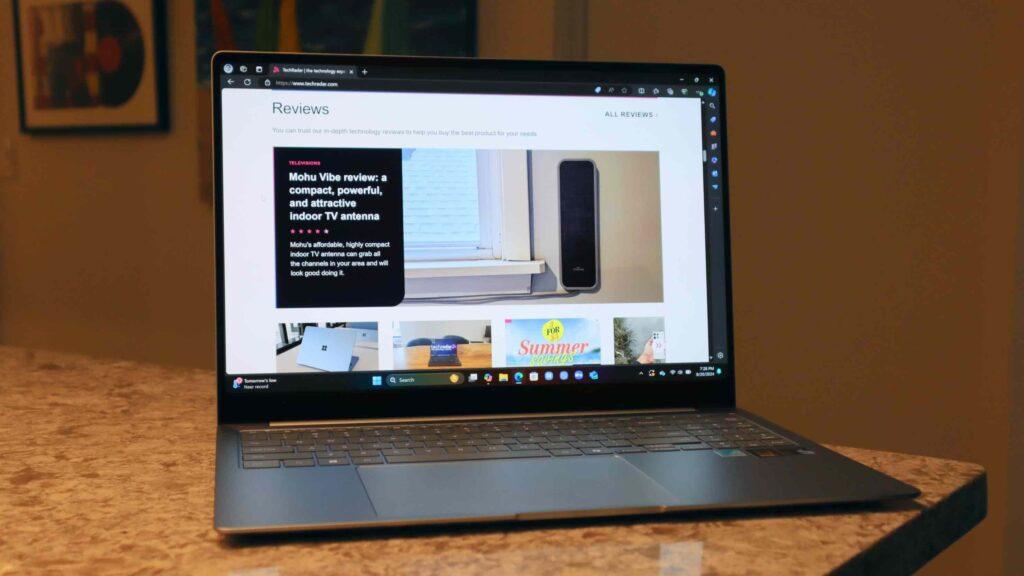
- Windows 11 has reached one billion users
- It achieved this four months faster than Windows 10
- You may not know how this happened, given other recent statistics and the negativity online around Windows 11, but there are pretty clear reasons here.
Windows 11 has reached one billion users, Microsoft announced, and its newest operating system achieved that feat considerably faster than Windows 10.
The Verge reports that the revelation was made by CEO Satya Nadella, who on an earnings conference call boasted: “Windows hit a huge milestone: 1 billion Windows 11 users.”
This is indeed a major milestone, and one that you might think came out of nowhere, although it’s not really a surprise, even given some of the more negative statistics that have been issued lately about Windows 11 adoption. I’ll get back to why that is in a moment.
As The Verge observes, Windows 11 managed to reach the magic billion mark 1,576 days after the operating system was launched, while Windows 10 took 1,706 days. So the newest operating system was just over four months faster than Windows 10.
Analysis: A wake-up call that Windows 11 isn’t going anywhere, if it ever needed it
If you remember, yesterday I reported that, according to Statcounter, an analyst firm that monitors desktop operating system usage, Windows 11’s market share actually declined over the past two months. However, Microsoft says that it just reached 1 billion users, and faster than Windows 10, and that its new desktop platform is apparently going from strength to strength, despite all the negativity around Windows 11 lately (of which there has been a lot).
So what happens?
Of course, there are different ways to track (or estimate) Windows 11 adoption. Microsoft directly tracks active devices running Windows 11, while Statcounter uses an indirect method of web analytics. As I noted yesterday, there are quite a few complications with this last task, which depends on tracking code inserted into approximately 1.5 million sites around the world.
The makeup of those sites can influence the numbers we see, and this form of tracking doesn’t count devices, but rather the use of Windows PCs visiting websites. In other words, if, say, Windows 10 machines are used disproportionately more than Windows 11 computers in terms of visits to those sites, they have more “market share.” That is, it is not just device numbers, as Microsoft records, but devices used online, where the period of use (and multiple visits recorded) are also a factor.
I don’t want to go into too much detail here, but these are important differences, so it’s not surprising that these statistics reflect quite different pictures of the Windows world around the world.
On top of that, if you thought Microsoft hit the billion mark with Windows 11 seemingly out of nowhere, that’s actually not the case. In fact, this isn’t a real surprise given that the company said it was close to $1 billion at Ignite in November 2025 (in a keynote by Pavan Davuluri, who heads Windows). It was not made clear at the time how close Windows 11 came to this milestone, and we can only guess.
Still, it’s another reasonable assumption to assume that Microsoft probably did well in PC sales over the Christmas period, which would have increased the number of Windows 11 users. Given the RAM crisis and predictions of a rise in PC prices in 2026, I bet some consumers decided it was time to upgrade to a new Windows 11 PC before such an endeavor became a more expensive proposition.
Additionally, businesses may be upgrading for the same reason (with multiplied costs when talking about PC fleets) and due to the end of support for Windows 10. This is another key point when talking about different sources of statistics: there is a large enterprise user base for Windows and Statcounter is capturing more website visits from consumers. (Some business PCs may not even be online or may rarely visit the variety of sites the analytics company uses to collect its data.)
So it’s a complex picture, but what we have here is a bit of a reality check that Windows 11 isn’t doing as badly as you might think if you look at certain statistics or take into account many of the negative opinions prevalent in online forums. On this last point, it’s also worth remembering that complaints spread widely online, but satisfied customers tend to remain calmer.
So Windows 11 reaching a billion users is a wake-up call to remember that it’s still a colossal desktop operating system, in case you’ve forgotten, which is pretty easy to do given all the criticism leveled at Microsoft of late.
All that said, Microsoft still needs to be careful with its desktop operating system. As I’ve noted, enterprise space is a big factor with Windows 11, and naysayers will point out that many companies are stuck in the Microsoft ecosystem for one reason or another (legacy software or systems). And all the negativity about Windows 11 floating around online forums, both from everyday users and IT administrators, is there for a reason. And a big part of that is because people feel like they’re not being heard, on the issue of AI being crammed into every corner of Windows 11, and those bugs, and the fundamentals of the operating system still seem too shaky for such a giant product.
Microsoft may have welcomed another operating system to the billion-plus user club, which is clearly a major achievement, but it’s equally clear that there’s still a lot of work to be done in terms of making this product work better at a fundamental level.
The best laptops for all budgets
Follow TechRadar on Google News and add us as a preferred source to receive news, reviews and opinions from our experts in your feeds. Be sure to click the Follow button!
And of course, you can also follow TechRadar on YouTube and tiktok for news, reviews, unboxings in video form and receive regular updates from us on WhatsApp also.


