
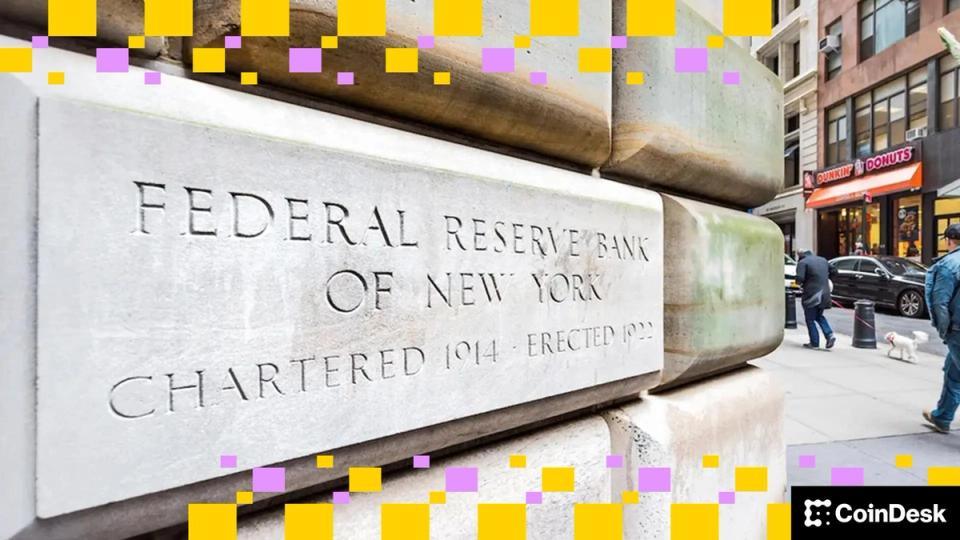
On Thursday, President Donald Trump said he will announce his pick to chair the US Federal Reserve to replace incumbent Jerome Powell once his term ends in May.
While nothing is confirmed yet, reports suggest that the Trump administration is preparing to nominate Kevin Warsh, who served on the Federal Reserve Board of Governors from 2006 to 2011.
Warsh has occasionally praised cryptocurrencies. However, bitcoin It plummeted on Thursday night to lows near $81,000 as its odds increased on betting sites, and is now seen by some analysts as a bearish force for the asset.
“Markets generally view a resurgence of Warsh’s influence as bearish for Bitcoin, as his emphasis on monetary discipline, higher real rates, and reduced liquidity frames cryptocurrencies not as a hedge against downgrade but as speculative excess that fades when easy money is withdrawn,” Markus Thielen, founder of 10x Research, told CoinDesk.
Higher real interest rates mean that the real cost of borrowing money after accounting for inflation is high. Think of it as the “true” interest rate that affects your finances the most. When real rates are high, companies and investors often reduce their exposure to risky investments like bitcoin.
Warsh’s record is adding fuel to the fire. During the global financial crisis (GFC) that lasted from December 2007 to June 2009, Warsh repeatedly cited inflation risks even as the global economy teetered on the brink of outright deflation.
For example, in September 2008, the month Lehman Brothers collapsed, Warsh said, “I’m not yet ready to abandon my concerns on the inflation front.”
Seven months later, when the Fed’s preferred measure of inflation was 0.8% and the unemployment rate was 9%, he said, “I remain more concerned about the upside risks to inflation than the downside risks.”
Over the years, many observers have argued that Warsh’s toughness and failure to recognize the risks of deflation exacerbated the crisis.
“From this perspective, their approach would likely have resulted in higher unemployment, slower recoveries and a higher risk of deflation during the 2010s,” Thielen said.
All of this makes Warsh’s potential selection ironic, as the former Federal Reserve governor’s hawkish record clashes sharply with Trump’s pro-risk, reflationary playbook. Trump has repeatedly criticized Powell, often resorting to personal attacks for keeping rates high and killing the economy. The President has stressed the need for rapid rate cuts, calling for interest rates to be as low as 1% from the current window of 3.5%-3.7%.
Therefore, several observers say Warsh is a wrong choice for the Federal Reserve, which is expected to follow Trump’s line.
“Kevin Warsh has been a hawk on monetary policy throughout his career and, most importantly, during a time when labor markets got out of bed. His current moderation is due to expediency. The president is at risk of being misled,” Renaissance Macro Research said in X.
“I read the Fomc transcripts during the GFC. Their quotes scared me,” said Ana Wong, Bloomberg’s chief US economist.
Fortunately, even as chairman of the Federal Reserve, Warsh cannot dictate rates alone, as the Board of Governors votes collectively, diluting any singular voice. It remains to be seen if Trump follows through with Warsh.
Until then, its hawkish track record may continue to spook risk assets, strengthening the dollar in the meantime.


