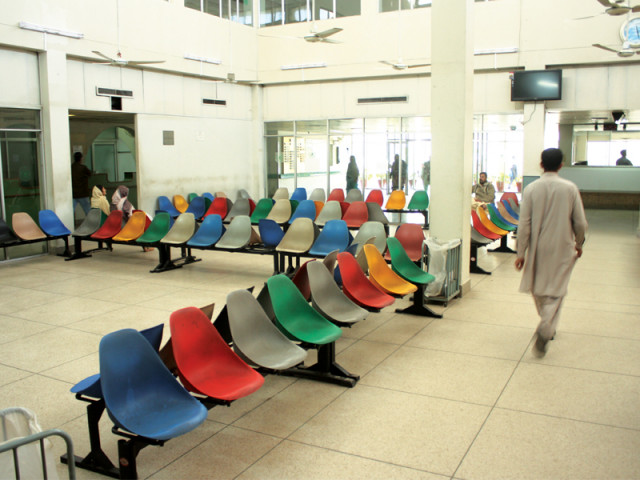
Health authorities have stepped up preparedness against the Nipah virus, stepping up border controls and hospital preparedness after neighboring India confirmed two infections, even as officials stress that no cases have been detected in the country and the overall risk remains low. A high-level preparedness meeting titled “Nipah Virus: Preventive and Preparedness Measures” was held at the Ministry of National Health Services on Thursday, reflecting growing regional vigilance as several Asian countries tighten surveillance measures. Chaired by Federal Health Secretary Hamed Yaqoob Shaikh, the meeting reviewed the national preparedness of federal health institutions, disease surveillance systems, Border Health Services (BHS) and major public hospitals in the federal capital. Officials were informed that following the instructions of Health Minister Syed Mustafa Kamal, all necessary mechanisms have been put in place to ensure early detection, rapid response and coordinated management of any suspected case of Nipah virus. The President told participants that although no Nipah virus infections have been detected in Pakistan, either in humans or animals, the ecological conditions in neighboring countries require sustained alertness and preparedness rather than complacency. Director-General of Health Dr Abdul Wali Khan informed the meeting that Nipah is a zoonotic virus with natural reservoirs in fruit bats and pigs, and that all documented outbreaks to date have occurred in Asian countries. He noted that fruit bats, recognized globally as the natural reservoir of the virus, are present in Pakistan, particularly in the northern and forested regions, but stressed that there is no scientific evidence of an active circulation of Nipah within the country. National Institute of Health (NIH) officials said at the forum that Pakistan’s overall risk remains low, although it cannot be completely ruled out due to the presence of the animal reservoir and regional travel movements. NIH officials confirmed that Pakistan has adequate laboratory capacity and diagnostic kits to test suspected cases promptly, adding that the absence of an approved vaccine or specific antiviral treatment makes early detection and isolation critical. BHS representatives informed the meeting that enhanced screening of incoming travelers is taking place at airports and land crossings, including thermal screening and travel history assessments, particularly for passengers arriving from high-risk regions. Officials said there are no direct flights between Pakistan and the country where the latest cases were reported, but transit histories covering the previous 21 days are being reviewed as a precaution. The preparedness of hospitals was also reviewed, with the CEOs of Pakistan Institute of Medical Sciences (PIMS) and Federal Government Polyclinic ensuring availability of designated isolation facilities and trained staff to handle suspected cases. Health experts reiterated that Nipah is a highly fatal disease, with previous outbreaks showing case fatality rates ranging between 40% and 75%, causing severe respiratory illness and encephalitis, although it is not easily transmitted between people.
Nipah virus: the government is on alert but not alarmed