
Allows time for discussions about the term and interest rate; Pakistan seeks 2-year extension, 3% interest
ISLAMABAD:
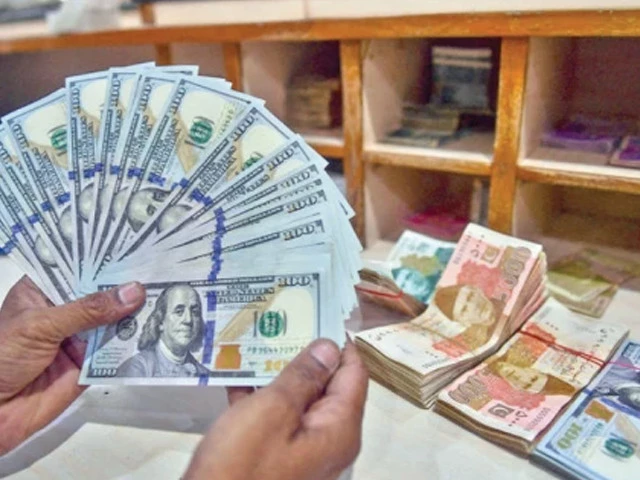
The United Arab Emirates (UAE) has refinanced more than $2 billion of debt for a month at the current interest rate of 6.5%, while Pakistan continues to wait for a better deal from the Gulf nation to avoid pressure on its foreign exchange reserves, federal government officials said on Monday.
Senior sources in the federal government and central bank said The express PAkGazette that the United Arab Emirates renewed two loans of one billion dollars each, which matured on January 16 and 22. They said the debt was renewed for a month to allow time for further discussions about the term and interest rate. Pakistan is seeking a two-year extension and an interest rate of around 3%.
A spokesperson for the State Bank of Pakistan (SBP) did not respond to a request for confirmation. The Ministry of Finance, responsible for meeting external financing needs to the satisfaction of the International Monetary Fund (IMF), also did not respond to questions.
Officials said another request was being made to refinance the debt, as repaying it would create a funding gap that would have to be filled from other sources.
Under the IMF’s $7 billion program, the UAE, Saudi Arabia and China have committed to keeping their combined $12.5 billion in cash deposits at the SBP at least until the program expires in September next year.
However, this is the first time that the UAE has extended the debt repayment period by just one month, unlike the previous practice of granting one-year extensions. Officials said the situation regarding the term and maturity of the debt would be clarified in the coming days.
In December, SBP Governor Jameel Ahmad had asked the UAE government to roll over $2.5 billion in debt for two years and cut the interest rate by almost half.
Later, Prime Minister Shehbaz Sharif also asked the UAE President to extend the repayment deadline. The prime minister said the UAE had agreed to refinance the debt, but did not provide further details.
A central bank source said Pakistan had requested a two-year extension and a cut in the interest rate by more than half.
The UAE provided $2 billion to Pakistan in 2018 for one year, but Pakistan was unable to repay the amount and has since requested annual refinancing. The UAE subsequently provided another $1 billion loan in 2023 to help Pakistan meet external financing requirements for an IMF bailout.
The $2 billion debt is part of Pakistan’s foreign exchange reserves of $16 billion. Pakistan is paying around $130 million annually in interest on the UAE’s debt at current rates.
Addressing major exporters and industrialists last week, Prime Minister Shehbaz Sharif acknowledged that central bank reserves had increased, but said this was largely due to $12 billion in cash deposits from friendly countries.
He also said that when he traveled the world seeking financial help he felt ashamed. “Our self-respect suffers a lot when we go into debt,” he said, adding that such countries sometimes ask for concessions in return and “we can’t say no to a lot of things they want us to do.”
The government is struggling to boost exports, which have fallen nearly 7% to $18.1 billion during the first seven months of the current fiscal year. The prime minister announced a reduction in interest rates for export refinancing schemes and reduced electricity prices for industries to reduce the overall cost of doing business.
According to Musadaq Zulqarnain, one of Pakistan’s largest exporters, these measures would help reduce overall costs by about 2%.
The government is also struggling to formulate a viable plan to double exports to $32 billion over the next three years to exit the IMF program. Foreign investment has failed to recover despite efforts and instead fell by 47% during the first half of the fiscal year.
In 2018, the UAE charged a 3% interest rate on the debt, but last year they increased it to 6.5%. Pakistan has asked the United Arab Emirates to reduce the rate to around 3%, citing improvements in its credit rating and lower global interest rates.
The stability of Pakistan’s external sector remains largely dependent on refinancing external loans and obtaining new financing from the IMF and the World Bank.


