
- LPDDR4 Price Spikes Extend Straight to Raspberry Pi Retail Labels Everywhere
- Higher memory densities now determine who can afford modern Raspberry Pi boards
- Entry-level Raspberry Pi models survive, while mid- and high-end options take the hit
Raspberry Pi hardware prices have risen again after a previous adjustment made just a few weeks earlier, and the changes are directly related to rising LPDDR4 memory costs.
The company links the increases to competition for manufacturing capacity, as large-scale AI infrastructure continues to absorb an increasing share of global memory production.
According to statements accompanying the changes, the cost of some memory components has more than doubled in a single quarter, putting pressure on most current Raspberry Pi platforms.
What models are affected by the new prices?
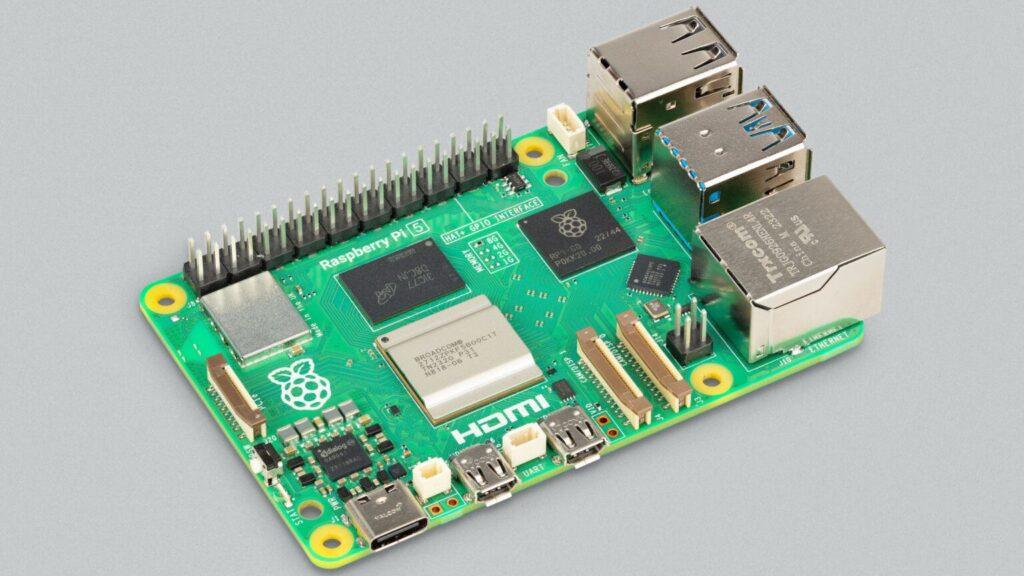
The latest increases apply to Raspberry Pi 4 and Raspberry Pi 5 boards, as well as CM4 and CM5 compute modules and Raspberry Pi 500 keyboard computers.
Boards equipped with 2 GB of RAM now cost $10 more, while 4 GB models increase by $15 and 8 GB versions increase by $30. Systems using 16GB of memory see the most pronounced change, with prices rising by $60.
As a result, high-end Raspberry Pi 5 configurations now exceed $200, a level never before seen within the product range.
Not all devices are affected by the tweak, as models using lower memory capacities or older standards remain unchanged, so the 1GB versions of the Raspberry Pi 4 and Raspberry Pi 5 retain their current prices, preserving an entry-level option within the lineup.
Older boards, such as the Raspberry Pi Zero and Raspberry Pi 3, are also stable, largely because their LPDDR2 memory is already stored in sufficient quantities.
The Raspberry Pi 400 all-in-one computer also avoids the increase and maintains its previous price.
Industry analysts have reported sharp upward revisions to expected DRAM contract prices, driven by growing data center demand.
Memory manufacturers are increasingly prioritizing high-bandwidth products for hyperscalers, while standard DRAM and LPDDR capacity becomes more limited.
Large AI systems now require tens of terabytes of memory per deployment, reducing the supply available to smaller-scale hardware manufacturers.
This environment leaves limited room for Raspberry Pi to absorb costs without passing them on.
Higher board prices raise questions about affordability for schools, students, and casual learners, which are historically critical to the Raspberry Pi ecosystem.
Raspberry Pi software communities and distributions may continue to thrive, but hardware costs increasingly determine who can participate.
Although the company describes the situation as temporary, the timing and scale of the increases suggest that access to education may remain limited for longer than anticipated.
Follow TechRadar on Google News and add us as a preferred source to receive news, reviews and opinions from our experts in your feeds. Be sure to click the Follow button!
And of course you can also follow TechRadar on TikTok for news, reviews, unboxings in video form and receive regular updates from us on WhatsApp also.


