
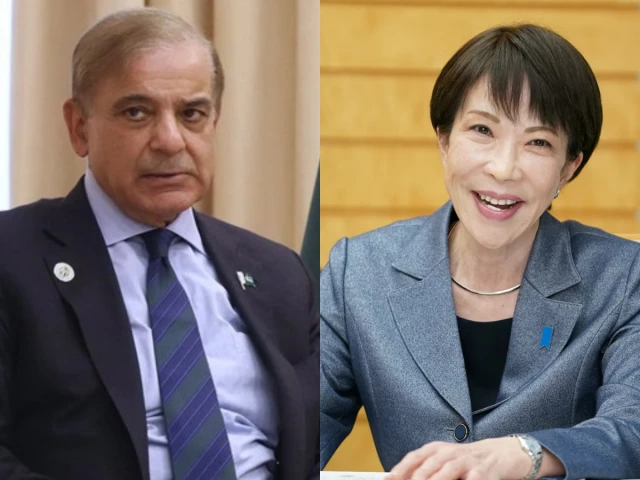
The Pakistani Prime Minister expressed his willingness to strengthen cooperation with Japan under the new government.
Prime Minister Shehbaz Sharif on Monday congratulated Japan’s newly elected Prime Minister Sanae Takaichi on his historic election victory, reaffirming Pakistan’s desire to deepen bilateral ties with Tokyo.
In a message posted on social media, Shehbaz Sharif extended his best wishes to Prime Minister Takaichi, noting that his decisive victory reflected the confidence of the Japanese people in his leadership. He said Pakistan looked forward to working closely with Japan under its leadership to further strengthen cooperation in trade, investment and regional stability.
Congratulations to HE Ms. Sanae Takaichi @takaichi_sanae on her re-election as Prime Minister of Japan.
We look forward to continuing to work with Prime Minister Takaichi to further strengthen and diversify our excellent bilateral relations with Japan.– Shehbaz Sharif (@CMShehbaz) February 9, 2026
Prime Minister Takaichi’s coalition achieved a historic victory in Japan’s lower house elections on Sunday, securing a two-thirds supermajority that significantly facilitates its legislative agenda. His Liberal Democratic Party won 316 of the 465 seats, its best ever result, while the ruling coalition won a total of 352 seats.
Takaichi, Japan’s first female prime minister, has promised sweeping economic and security reforms, including tax relief measures and increased defense spending aimed at countering regional security challenges. Speaking to local media after the results, he said the election represented a clear endorsement of important policy changes in economic management and national security.
Read: Pakistan and Japan promise to improve relations
World leaders have been quick to congratulate Takaichi, with US President Donald Trump calling the result a great success and praising his decision to seek a new term in office through early elections.
Observers say the strong mandate could accelerate Tokyo’s political agenda, but has also raised concerns in financial markets about the financing of proposed tax cuts, while its emphasis on defense and security has drawn criticism from China.


