
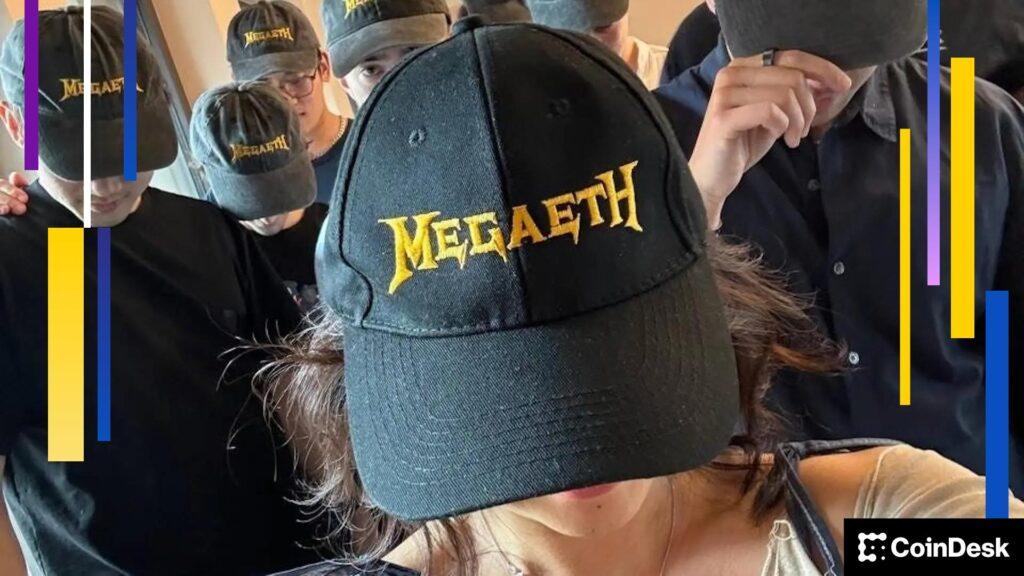
MegaETH, a high-performance blockchain built to make Ethereum applications feel almost instantaneous, debuted its public mainnet on Monday, entering an ecosystem mired in a fundamental debate about how Ethereum should scale.
The project, which had been pitched as a layer 2 “real-time blockchain” targeting over 100,000 transactions per second (tps), would make on-chain interactions feel closer to traditional web applications than to current crypto networks. Ethereum runs at less than 30 tps, according to Token Terminal.
The publication caps a rapid rise that has attracted both technical curiosity and significant financial backing. The project’s development arm, MegaLabs, raised a $20 million seed round in 2024 led by Dragonfly. Last October, it announced a $450 million oversubscribed token sale backed by some of the most recognizable names in the cryptocurrency world, including Ethereum co-founders Vitalik Buterin and Joe Lubin. The sale was one of the largest crypto fundraising of that year.
The native token, MEGA, which underpins the network’s economy, is not fully unlocked at launch. According to the team, token distribution and utility will be rolled out gradually, with certain unlocks tied to network usage milestones.
MegaETH’s debut comes as Ethereum’s long-standing scaling roadmap is under scrutiny, particularly by Buterin. For years, the second-largest blockchain by market capitalization relied on Layer 2 networks — off-chain systems that bundle transactions and settle them at the base layer — to handle most of the ecosystem’s growth.
But in recent discussions, Buterin has suggested that Ethereum may need to invest more in scaling the layer 1 network to reduce fragmentation and simplify the user experience.
Those comments have ignited debate throughout the ecosystem. Supporters of layer 2 argue that so-called rollups are still essential and already offer significant performance improvements. Critics say an overreliance on them has dispersed liquidity and users across dozens of networks. MegaETH’s high-speed, low-latency design lands squarely in the middle of that argument, betting that there is still strong demand for chains that push performance far beyond current norms.
Read more: MegaETH raises $450 million in oversubscribed token sale backed by Ethereum founders


