NEWNow you can listen to Pak Gazette articles!
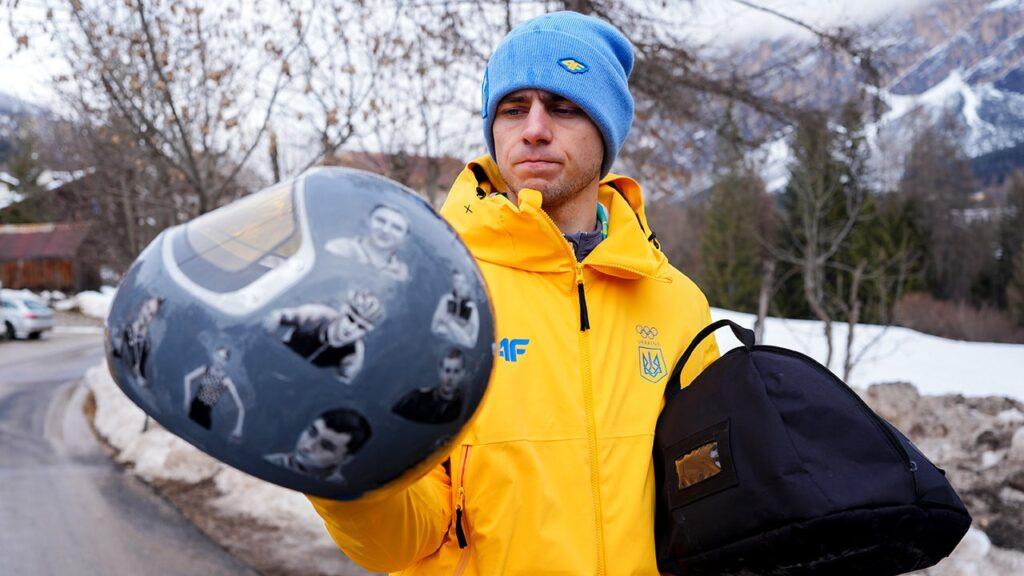
Ukrainian Olympian Vladyslav Heraskevych was disqualified from the men’s skeleton event on Thursday after he refused to wear any helmet other than one honoring his country’s athletes who died in the war with Russia.
The International Olympic Committee (IOC) and Heraskevych clashed over the past three days over the helmet, which the organization said it bans due to rules against making political statements on the field of play. IOC President Kirsty Coventry even met with Heraskevych to try to change his mind before the event began, but to no avail.
CLICK HERE FOR MORE SPORTS COVERAGE ON PakGazette.Com
Ukraine’s Vladyslav Heraskevych reaches the finish line during a men’s skeleton training session at the 2026 Winter Olympics in Cortina d’Ampezzo, Italy, Tuesday, Feb. 10, 2026. (AP Photo/Alessandra Tarantino)
“We found no common ground in this regard,” Heraskevych said.
Heraskevych received a message from the International Bobsled and Skeleton Federation (IBSF), saying the helmet was “inconsistent with the Olympic Charter and Guidelines on Athlete Expression.” The IOC offered him concessions, including the use of a black armband or the ability to display the helmet off the ice.
“I deeply believe that the IBSF and the IOC understand that I am not breaking any rules,” Heraskevych said. “Also, I would say it’s painful that it really looks like discrimination because a lot of athletes were already speaking out… They didn’t face the same things. So all of a sudden, only the Ukrainian athlete in these Olympics will be disqualified because of the helmet.”
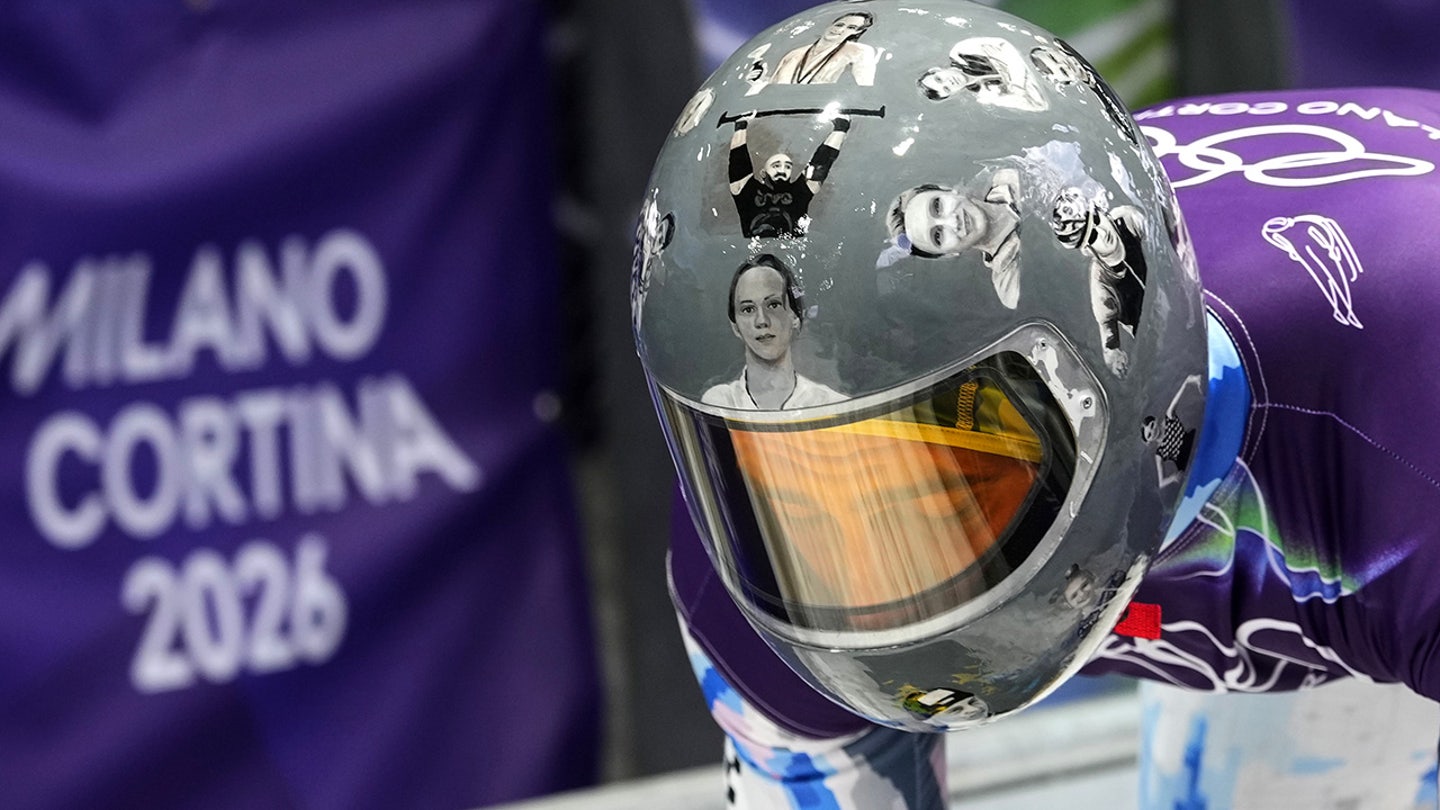
Ukraine’s Vladyslav Heraskevych reaches the finish line during a men’s skeleton training session at the 2026 Winter Olympics in Cortina d’Ampezzo, Italy, Tuesday, Feb. 10, 2026. (AP Photo/Alessandra Tarantino)
OLYMPIC GAMES COMPETITION BRIEFLY PAUSED AFTER CHINESE SNOWBOARDER LIU JIAYU WAS INJURED IN A DRAMATIC HALFPIPE ACCIDENT
The IOC expressed “regret” for the decision.
“As you have all seen in recent days, we have allowed Vladyslav to wear his helmet in training,” said Coventry, who at times shed tears while speaking to reporters. “No one, no one, especially me, disagrees with the message. The message is powerful. It’s a message of remembrance. It’s a message of memory and no one disagrees with that. The challenge we faced is that we wanted to ask or find a solution just for the playing field.”
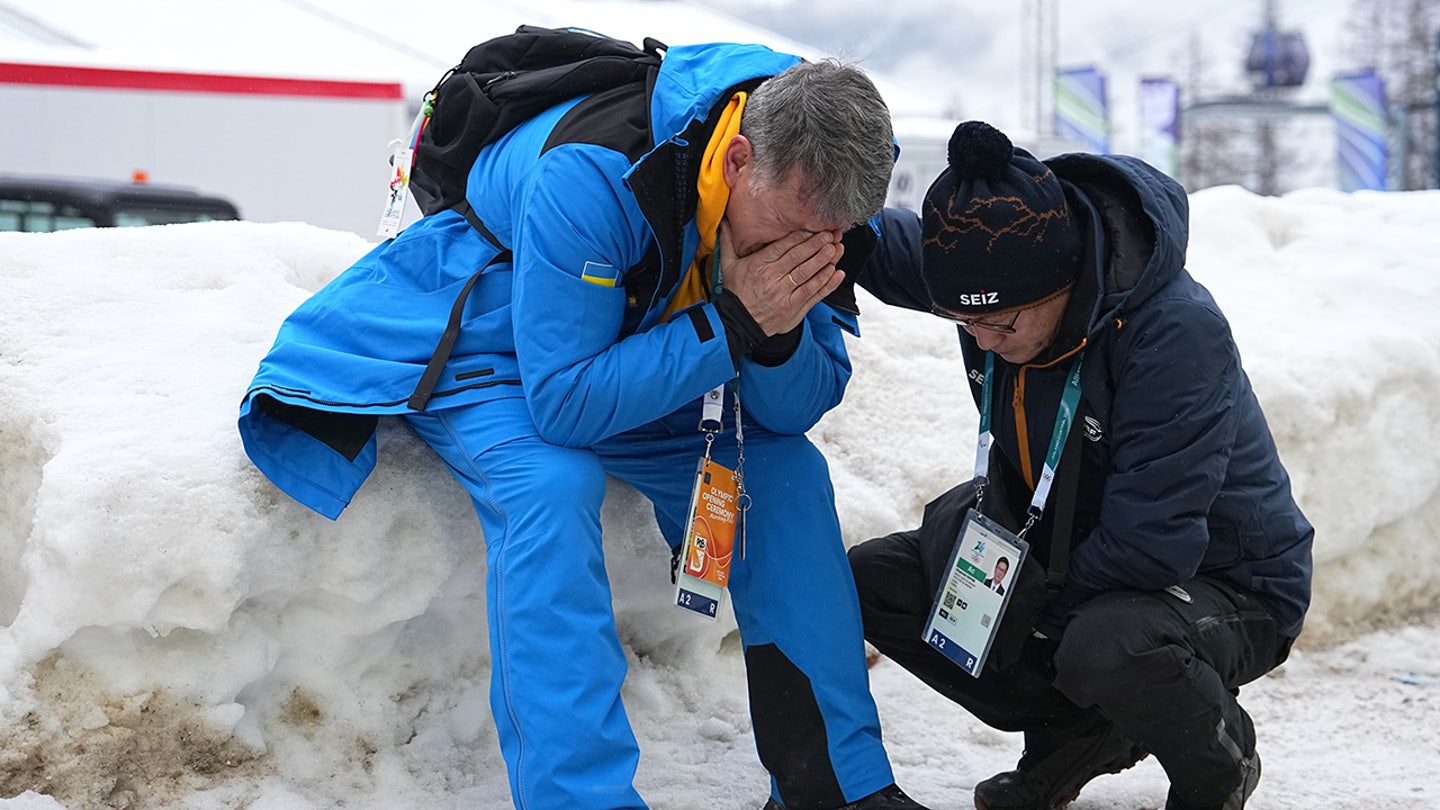
Mykhailo Heraskevych, father of Ukrainian skeleton athlete Vladyslav Heraskevych, reacts while sitting next to the starting booth of the sliding center at the 2026 Winter Olympic Games in Cortina d’Ampezzo, Italy, Thursday, Feb. 12, 2026. (AP Photo/Fatima Shbair)
The helmet included more than 20 Ukrainian athletes and coaches who died in the war.
Heraskevych didn’t exactly feel sorry for Coventry, saying: “In Ukraine we also have a lot of tears now.” He added that the decision “plays into the hands of Russian propaganda.”
“Disqualified. I think that’s enough to understand what the modern IOC really is and how it disgraces the idea of the Olympic movement,” Ukrainian skier Kateryna Kostar wrote in a post on Instagram. “Vladyslav Heraskevych, for us and for the whole world you are a champion. Even without being a starter.”
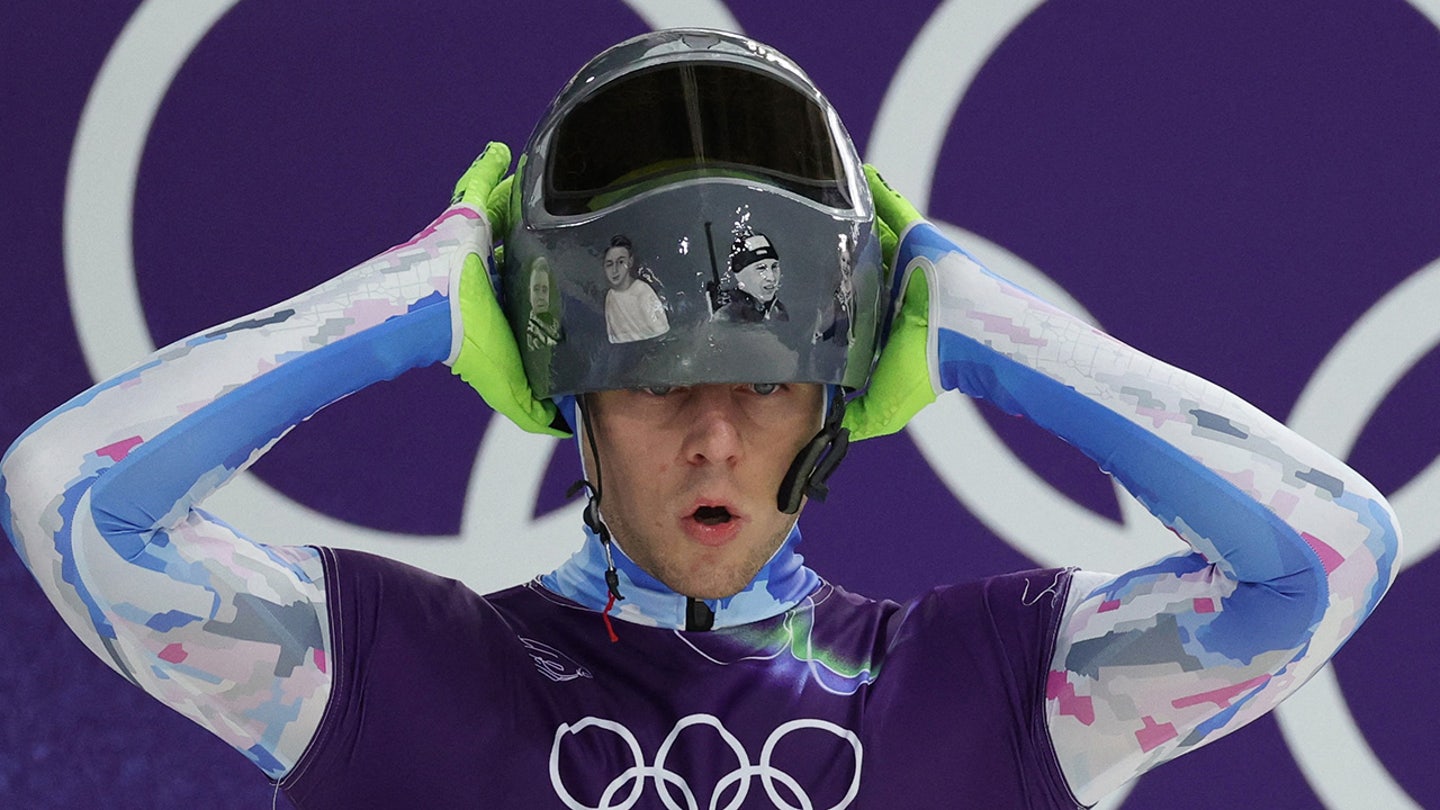
Vladyslav Heraskevych of Ukraine during training while wearing a helmet in tribute to the athletes who died amid Russia’s attack on Ukraine on February 11, 2026. (REUTERS/Athit Perawongmetha)
CLICK HERE TO DOWNLOAD THE Pak Gazette APP
Heraskevych was favorite to be in the top three in his event. After competing in the 2022 Beijing Olympics, war broke out with Russia and he helped deliver food and supplies to his fellow Ukrainians.