
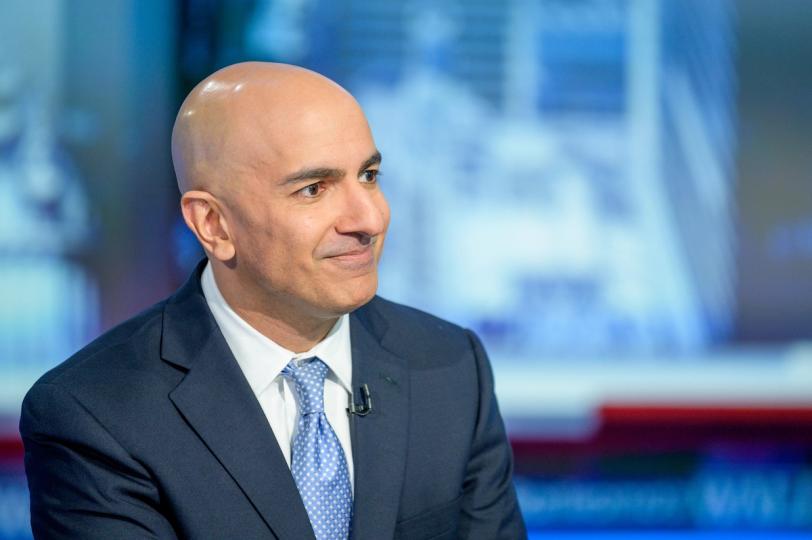
Neel Kashkari, president of the Federal Reserve Bank of Minneapolis, offered a compelling take on digital assets, arguing that cryptocurrencies, including bitcoin and stablecoins, have yet to demonstrate real utility.
Speaking at the 2026 Midwest Economic Outlook Summit in Fargo, North Dakota, on Thursday, he compared the everyday usefulness of artificial intelligence (AI) tools to cryptocurrencies.
“Cryptocurrencies have been around for over a decade and are completely useless,” he said, while AI “has real long-term potential for the American economy.”
After asking the audience who had used AI tools like ChatGPT or Gemini last week, Kashkari posed a second question: “raise your hand if you’ve bought or sold anything with bitcoin.”
When the discussion turned to payments and stablecoins, Kashkari said he is not convinced that the technology will improve existing financial avenues. “I hear these words and I like it, it’s like a buzzword salad,” he said. “What can I do with stablecoin that I can’t do with Venmo today?”
Pressed on the use of stablecoins for cheaper and faster cross-border payments, Kashkari argued that advocates are quick to recognize that those benefits are not aimed at American consumers. While he admitted that adoption in emerging countries is increasing, he said the technology still faces technical problems.
While proponents of stablecoins promise instant transfers, he said, recipients still need to convert them into the local currency for everyday payments like buying groceries, which can be expensive.
Kashkari’s skepticism contrasts sharply with that of the Trump administration, which has increasingly championed bitcoin and US dollar-backed stablecoins as key strategic tools.
Treasury Secretary Scott Bessent argued that regulated stablecoins can expand the dollar’s dominance in global payments and bolster its status as a global reserve currency, strengthening America’s financial clout. President Trump also signed an executive order in March to create a strategic reserve of bitcoins, which Bessent defended.


