
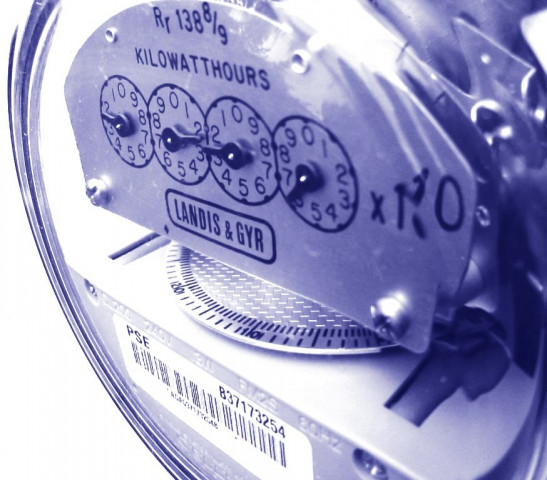
A total of 5,165 applications have been submitted to various distribution companies
ISLAMABAD:
The federal government decided to process all pending net metering applications submitted before Feb. 8 under the previous regulatory framework, according to a statement issued by the Division of Energy on Thursday.
It ordered that applications received before the deadline be handled according to the old rules, instructing all electricity distribution companies, including K-Electric, to implement the decision immediately.
As of February 8, a total of 5,165 applications had been submitted to distribution companies, including K-Electric. If approved, they would add 250,822 megawatts of capacity to the national grid.
The division said the move removes uncertainty around pending applications and directed authorities to ensure transparency in processing applications. Consumers were advised to lodge complaints through the designated helpline at 188.
Earlier, the National Electric Power Regulatory Authority (Nepra) issued draft amendments to the Solar Policy 2026 reversing some controversial changes in its net metering policy.
Nepra recently significantly revised contract terms for all existing and future net metered solar consumers (or prosumers) in an effort to manage the growing penetration of solar energy and protect an expensive and inefficient state electricity grid.
Abolished the exchange of electrical units in solar net metering. Currently, the buyback rate of net solar generation is Rs 25.9 per unit, which can be reduced to Rs 11 per unit. The duration of the contract has been reduced from seven to five years. The burden of capacity payments is now shifting to solar consumers.
Under the new rules, utilities will be required to purchase excess electricity from prosumers, households, businesses and industries generating up to one megawatt at the national average power purchase price, while selling the electricity to them at the applicable consumer rate, effectively ending one-to-one net metering.


