
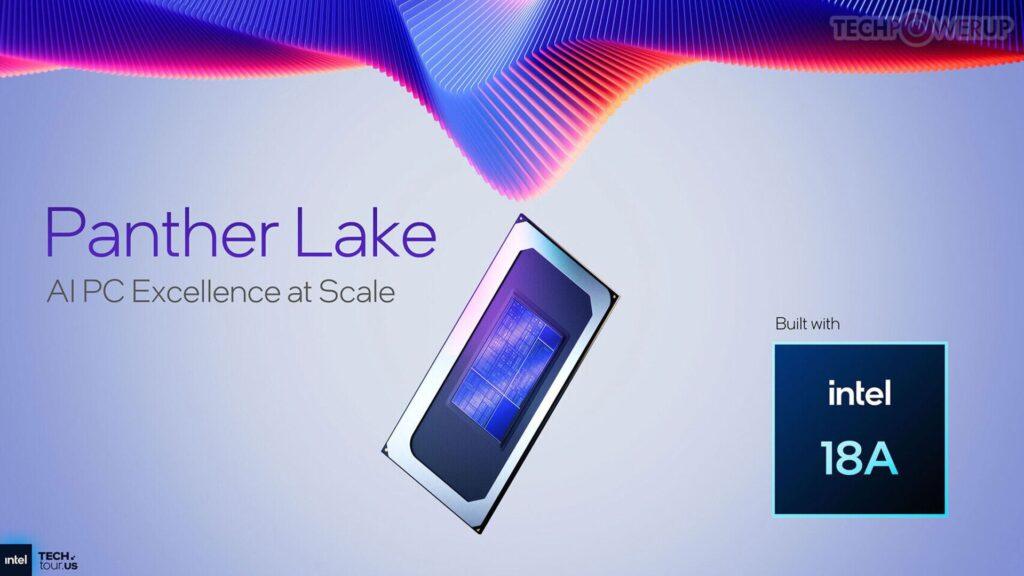
- Intel predicts AI-enabled PCs will account for more than half of total shipments by 2026
- AI silicon can perform basic tasks locally without relying on cloud processing
- Today’s buyers prioritize speed and battery over specific AI capabilities in laptops
Intel is forecasting a major shift in personal computing, predicting that AI-enabled PCs will account for more than half of all shipments by 2026.
The company estimates that approximately 130 million of the 260 million units shipped globally will feature integrated AI processing, such as an NPU or similar hardware.
This trend suggests a growing focus on machines capable of performing local AI tasks, although exact practical applications for most users remain limited at this stage.
AI goes beyond niche markets
Currently, AI-enabled PCs are largely considered premium products, with high-end business laptops and workstations leading their adoption.
Intel Japan President Makoto Ohno emphasized that the company wants to change perceptions quickly, with the goal of making AI-enabled devices standard rather than exceptional.
The push is not just about marketing AI as a feature, but also about creating task-optimized systems that benefit from localized AI processing.
For now, many users might purchase these devices for traditional benefits like speed, multitasking, or longer battery life rather than specific AI capabilities.
“Given the current situation, the reasons to choose an AI PC include its high performance and the long battery life provided by using an NPU,” Ohno said.
“In other words, it’s important to reflect on the fact that people currently don’t buy an AI PC to use its AI-related features.”
The defining feature of an AI PC is the presence of dedicated AI silicon, which can handle basic local AI tasks without completely relying on cloud processing.
While AI capabilities alone cannot drive initial purchases, the integration of newer silicon improves overall system efficiency and responsiveness.
This improvement allows AI-enabled PCs, including mini PCs, to outperform older business laptops in routine tasks, making them attractive to a broader audience.
Intel has also recognized that broader software support is needed to make AI-enabled PCs truly useful to everyday users.
The company envisions a future where people buy these devices for a specific AI-enabled purpose rather than simply upgrading to the latest technology.
Without compelling applications, the market could struggle to justify specific AI features beyond performance improvements.
Through TechPowerUp
Follow TechRadar on Google News and add us as a preferred source to receive news, reviews and opinions from our experts in your feeds. Be sure to click the Follow button!
And of course you can also follow TechRadar on TikTok for news, reviews, unboxings in video form and receive regular updates from us on WhatsApp also.


