
- Government-backed financing offers Chinese companies significant operational advantages
- China’s lower-cost AI models attract developing countries around the world
- Microsoft is investing billions to strengthen AI tools and infrastructure globally
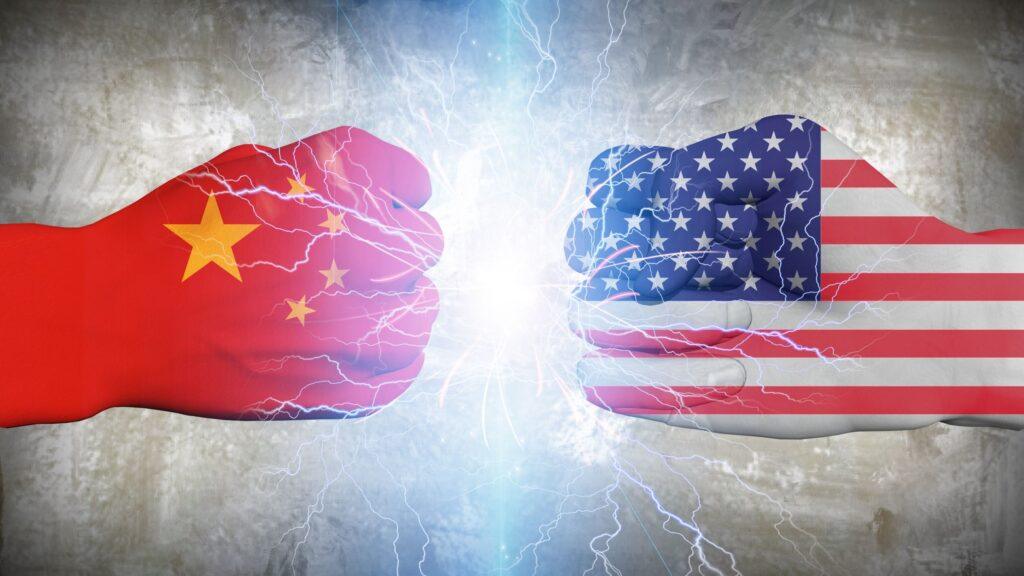
Microsoft President Brad Smith warned that American technology companies may face growing challenges from Chinese competitors that benefit from significant state subsidies.
Beijing has provided multibillion-dollar support, including a national artificial intelligence fund and energy vouchers, to reduce operating costs for domestic companies.
Smith compared the situation to China’s previous success in telecommunications, pointing out how state-backed companies such as Huawei and ZTE disrupted the global market and put pressure on European and American companies.
Increasing competition is driven by government support
“I think we always have to think, and maybe even worry a little, about Chinese subsidies. Some American companies disappeared. European companies like Ericsson and Nokia went on the defensive,” Smith said. CNBC.
“I think the rest of us have to compete with that, and we have to be good at competing with that, with the support of our governments.”
He also emphasized that similar strategies could make lower-cost AI offerings from Chinese companies attractive in developing countries, where affordability is often key.
Chinese AI companies have rapidly expanded their international presence, often turning to partnerships rather than building their own data centers outside China.
Alibaba, for example, offers cloud-based AI services in multiple regions, but frequently collaborates with local infrastructure providers.
Smith noted that existing Chinese data centers around the world could be leveraged with government support, giving Chinese companies a potential cost advantage in deploying AI models at scale.
China’s approach includes both direct funding and operational incentives: a national AI fund worth about $8.4 billion has been created to support early-stage projects, while local governments offer vouchers to reduce computing costs.
Low energy prices in many Chinese regions further reduce barriers to building and operating energy-intensive AI infrastructure.
These measures create a competitive landscape where U.S. companies may face pricing pressures and limitations in emerging markets.
Microsoft is responding with its own investment strategy, aiming to spend $50 billion by 2030 on AI initiatives in developing countries, efforts that combine infrastructure development, training programs and support for AI tools designed to improve local productivity.
Smith argued that U.S. companies must compete effectively while leveraging their advantages, including access to high-performance chips and cutting-edge technology, to maintain influence in global AI markets.
Analysts suggest that Chinese AI models could become dominant in resource-constrained regions, forming a “Chinese tech sphere” in the next five to ten years.
For governments and companies in developing countries, profitability may outweigh national origin when choosing AI tools.
Microsoft’s response involves implementing productivity and artificial intelligence tools that are scalable, reliable, and capable of operating in the same environments targeted by Chinese competitors.
Follow TechRadar on Google News and add us as a preferred source to receive news, reviews and opinions from our experts in your feeds. Be sure to click the Follow button!
And of course you can also follow TechRadar on TikTok for news, reviews, unboxings in video form and receive regular updates from us on WhatsApp also.


