
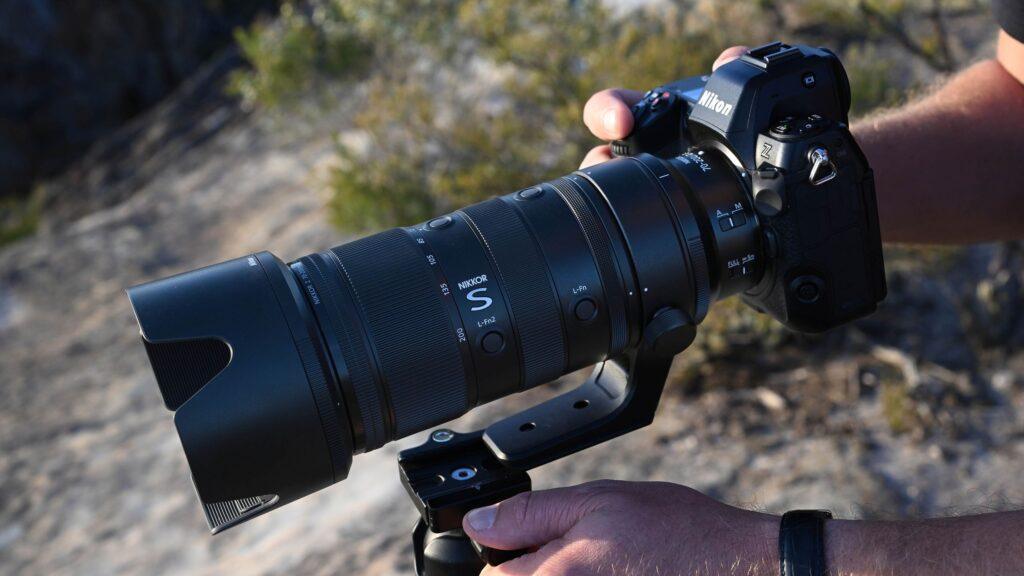
- The new Nikkor Z 70-200mm f/2.8 VR S II weighs just 998g
- Promises quieter, faster autofocus and six stops of stabilization
- Available from March, costing £2,999 (prices TBA in US and Australia)
Nikon has announced the Nikkor Z 70-200mm f/2.8 VR S II, a second-generation revision of its telephoto zoom that promises class-leading weight savings, a faster autofocus system and a redesigned optical formula, all while retaining the f/2.8 maximum aperture that makes this type of lens so useful in low-light conditions. The new lens will be available from March 2026 priced at $2,999/£2,999 (Australian pricing TBC).
The main figure is your weight. At just 998g (without tripod collar), the new lens is 362g lighter than the original Nikkor Z 70-200mm f/2.8 VR S and, according to Nikon, the lightest lens among 70-200mm f/2.8 options for full-frame mirrorless cameras.
It’s also 12mm shorter than before, which should make a big difference when shooting handheld for long periods, or even when mounting to a gimbal for video work. In fact, the internal zoom design keeps the center of gravity constant when changing focal lengths, which seems like something gimbal operators should especially appreciate.
Autofocus is also updated. The new lens uses Nikon’s ‘Silky Swift’ moving coil motors and is claimed to offer AF speeds up to 3.5 times faster than the first-generation version when paired with a camera body running the EXPEED 7 processor, such as the Nikon Z6 III or Z8.
The lens is also 50% quieter, which is important for video producers who want clean in-camera audio without mechanical hum from the focusing system creeping into their recordings.
Image 1 of 3
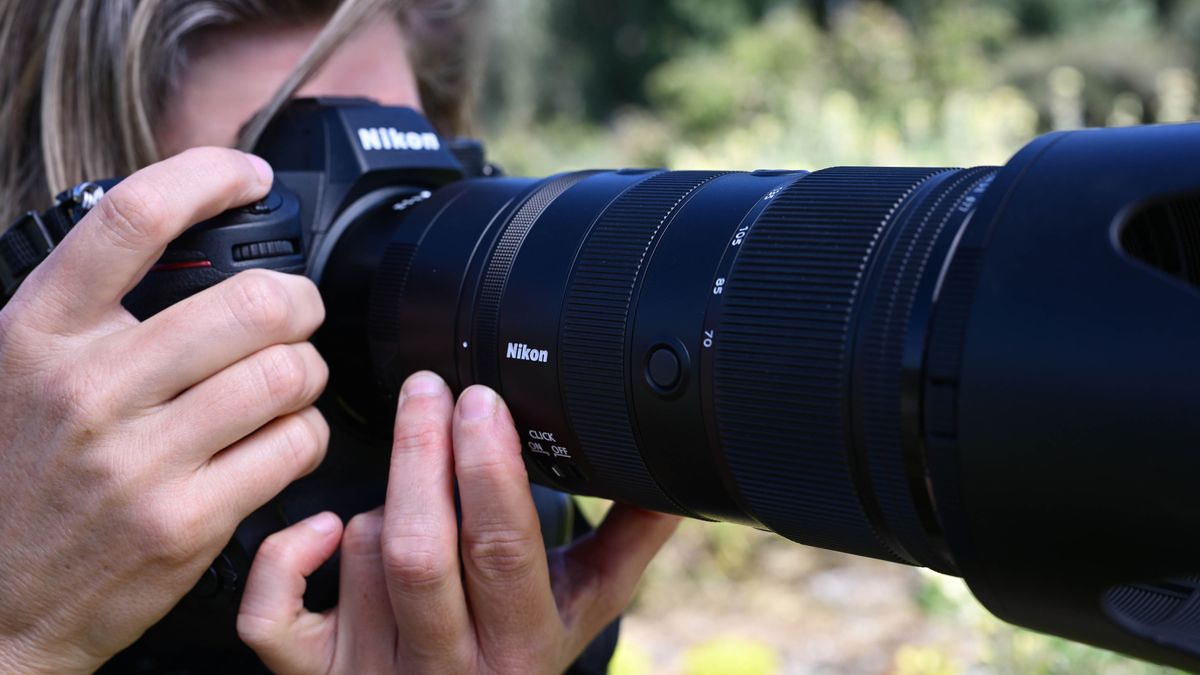
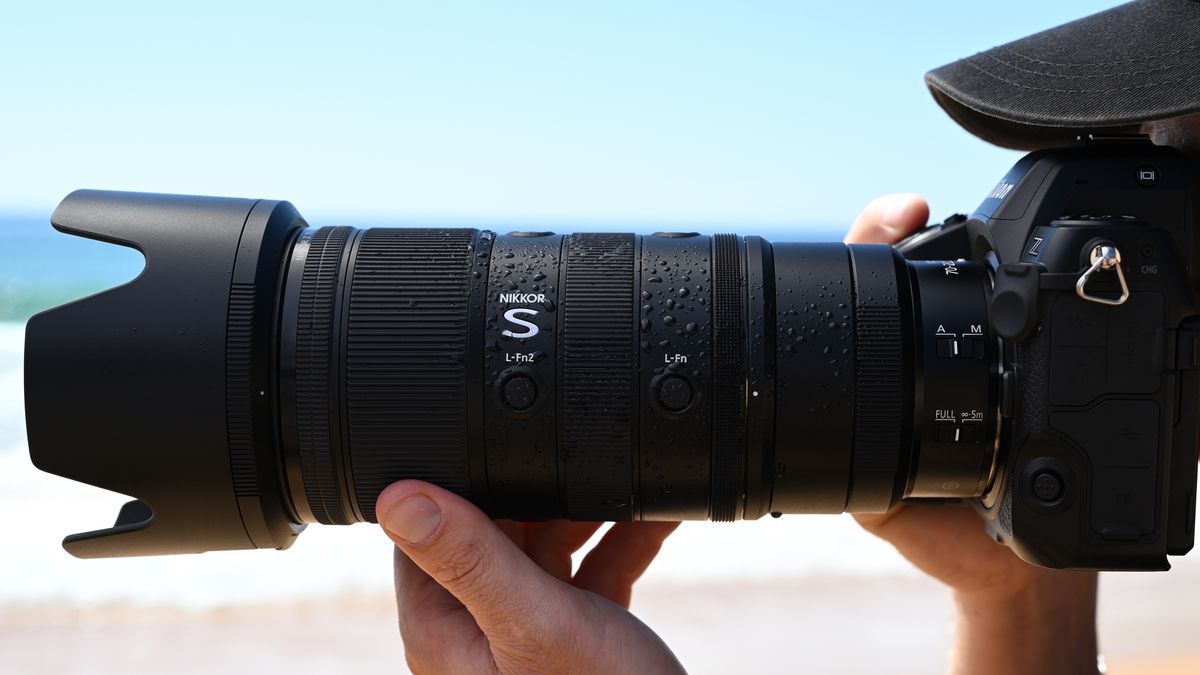
Image stabilization has been increased to six stops of In-Lens Vibration Reduction, with Synchro VR available on compatible Z bodies to maximize stability across the entire frame.
The optical formula has also been reworked, and Nikon says the optimized design uses fewer elements deployed more efficiently, incorporating double-sided aspherical elements, Super ED and SR glass, and new coatings for improved sharpness, prettier bokeh, and greater flare resistance.
Some ergonomic improvements are included to round out what I find to be a very comprehensive upgrade: the control ring can be de-clicked for smooth, continuous operation during video; The tripod collar is removable and uses an Arca-Swiss foot; and the lens hood includes a filter window – a small but clever touch that means you won’t need to remove the lens hood when using a rotating variable ND filter.
A perfect second lens for your bag?
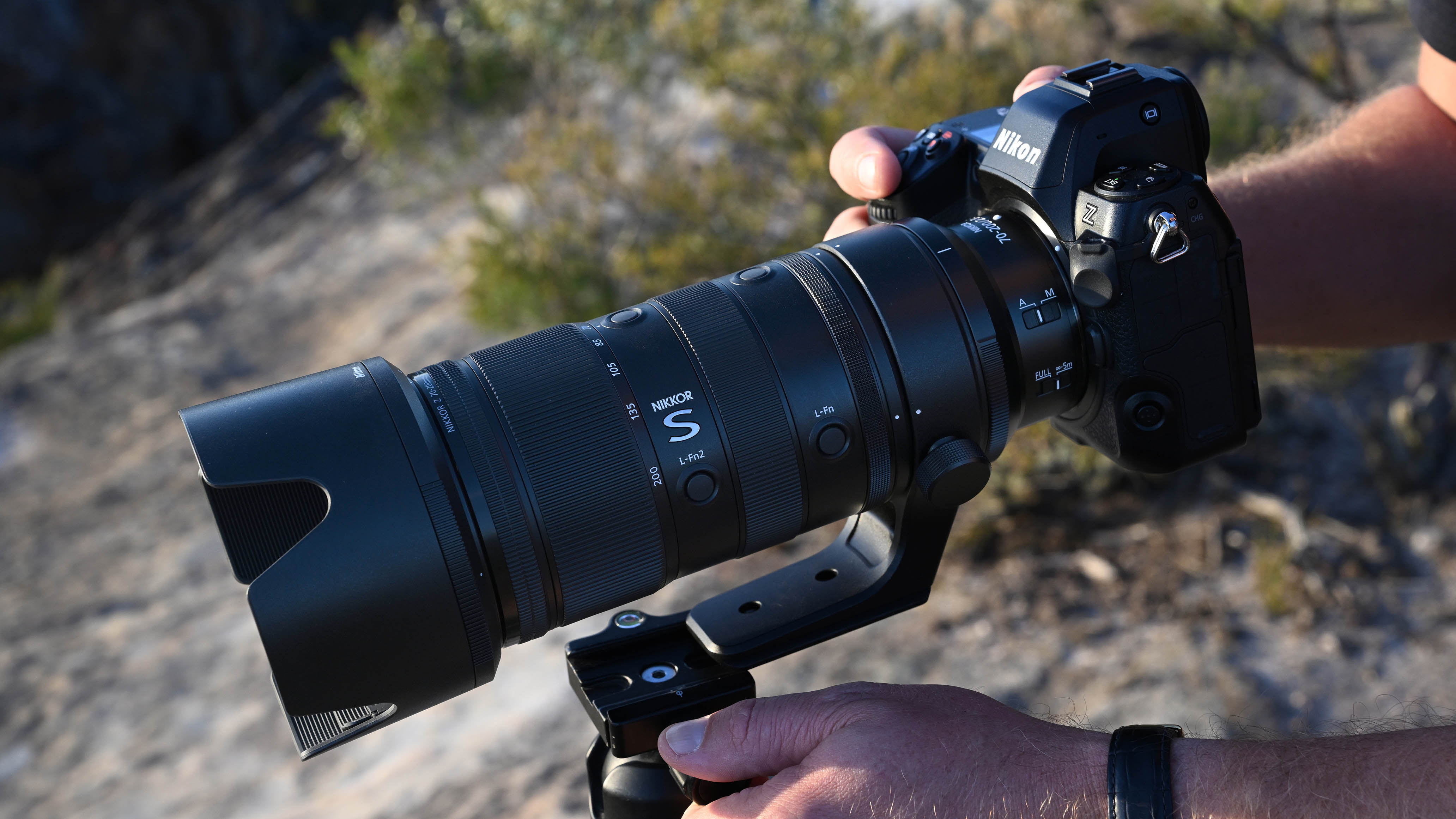
For Nikon Z system photographers, I think this lens sounds like an ideal companion to a standard zoom like the superb Nikkor Z 24-70mm f/2.8 S II.
The 70-200mm f/2.8 focal range is one of the most versatile in photography (equally comfortable for shooting weddings, sports, wildlife and street work) and the combination of a faster, quieter AF system and a significantly lighter body makes this new version easier to recommend than its predecessor for photographers who want greater reach without the fatigue that often comes with carrying around heavy glass all day.
It also promises to be a significant upgrade for those still using this lens’s even older predecessor, the AF-S Nikkor 70-200mm f/2.8E FL ED VR. TechRadar camera editor Timothy Coleman says that version has been his most used lens over the years, but he’s considering upgrading to this new mirrorless one.
If you’re interested in a two-lens kit for events or travel and you’ve already got the wide-angle to standard quality zoom side covered, this seems like the obvious next purchase. Be on the lookout starting March 2026.
Follow TechRadar on Google News and add us as a preferred source to receive news, reviews and opinions from our experts in your feeds. Be sure to click the Follow button!
And of course you can also follow TechRadar on TikTok for news, reviews, unboxings in video form and receive regular updates from us on WhatsApp also.

The best compact cameras.


