
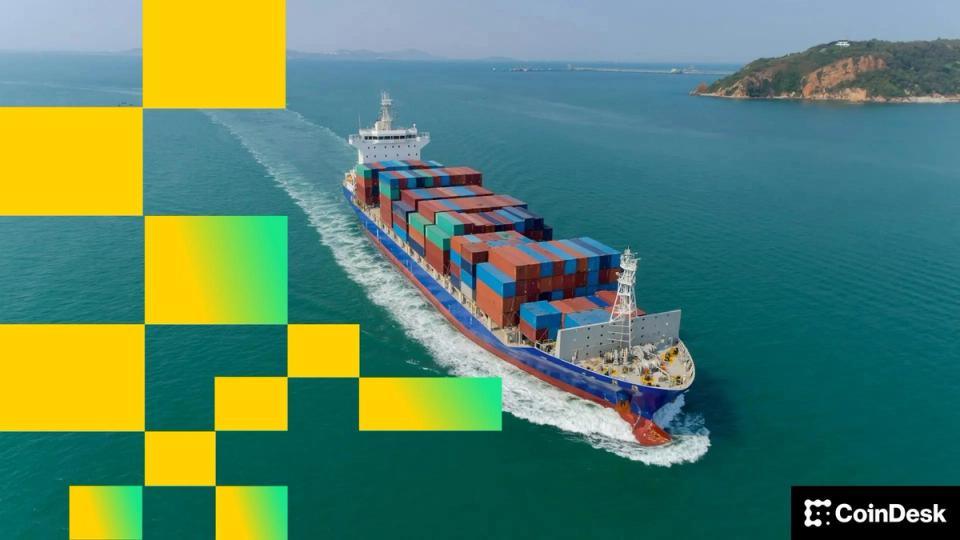
As tensions flare again between Iran, Israel and the United States, social media, especially on the crypto social network X (or Crypto Twitter), fear that Tehran could close the Strait of Hormuz, a vital bottleneck for oil. Many are concerned that such a move could spike oil prices and global inflation and roil financial markets, including bitcoin.
However, according to some observers, those concerns may be overblown.
Early Saturday, Israel and the United States launched airstrikes against Iran, aiming to dismantle the country’s nuclear facilities and missile capabilities after failed negotiations. Iran retaliated by firing ballistic missiles at Israel and US bases in the region, raising fears of a full-blown military conflict.
This caused jitters in the cryptocurrency market, the only place open for investors to express fear and risk, while traditional markets remain closed for the weekend.
bitcoin The leading cryptocurrency by market value, fell to $63,000 from around $65,600 before recovering to $65,000. Oil-linked futures on Hyperliquid rose more than 5%.
Fears of Hormuz
The Strait of Hormuz is a bottleneck (21 miles wide at its narrowest point) between Iran to the north and Oman to the south, and delivered about 20 million barrels of oil per day in 2024, according to the U.S. Energy Information Administration (EIA).
Naturally, amid simmering tensions, crypto accounts on X are worried that Iran could close the Strait of Hormuz, choking off oil supplies.
“If a direct conflict has started between the United States and Iran, this is not just geopolitics. It is a global economic event. If the Strait of Hormuz is threatened, oil could skyrocket towards $120-150,” said an X handle called @Crypto_Diet.
This could lead to an inflationary shock, market sell-offs, a rise in the dollar and a depreciation of emerging market currencies, the publication added.
Several other accounts have posted similar opinions, and some savvy geopolitical experts share these concerns.
“Oil prices had already risen to six-month highs before the attacks. Iran is a founding member of OPEC and the Strait of Hormuz, through which approximately 20% of the world’s oil passes, is now directly implicated,” said geopolitical strategist Velina Tchakarova.
In addition to that, some media outlets are already reporting that several oil majors, including trading houses, have suspended oil and fuel shipments through the strait.
A complete closure is unlikely
Some observers, however, argued that a complete closure of the strait is not in Iran’s best interests and may be geographically impossible.
According to Daniel Lacalle, PhD economist, fund manager and chief economist at Tressis, Iran currently produces 3.3 million barrels per day of oil, but exports only half of that amount, which goes almost entirely to its ally China.
“He would shoot himself in the foot,” Lacalle said, downplaying fears of an eventual Iranian closure of the strait.
He added that OPEC members could quickly offset any potential disruption to Iran’s oil supplies, while highlighting that the United States alone is the world’s largest oil producer.
In other words, any increase in oil prices could be measured and temporary.
The other aspect to consider is Geography. While the strait is divided roughly in half between Iran and Oman, the sea routes are predominantly in Omani waters. This is because the water on the Iranian side is said to be shallower, while on the Omani side it is deeper and more suitable for the movement of large oil tankers.
So, technically, ships could pass through Oman’s shipyard, meaning Iran’s closure of its territory may not have a big impact on supplies.
“Most of the waterways are in Oman, not Iran,” energy markets expert Dr. Anas Alhajji said in X.
“The Strait of Hormuz has never been blocked despite all the wars. It cannot be blocked. It is too wide. It is well protected,” he added.
All things considered, the odds of Iran closing the strait and choking off oil supplies are low. That said, an all-out war may still trigger widespread risk aversion, which could push bitcoin below the widely-watched support level of $60,000.
Meanwhile, the bitcoin price chart also indicates potential for a deepening bear market ahead amid the Middle East crisis.


