
.
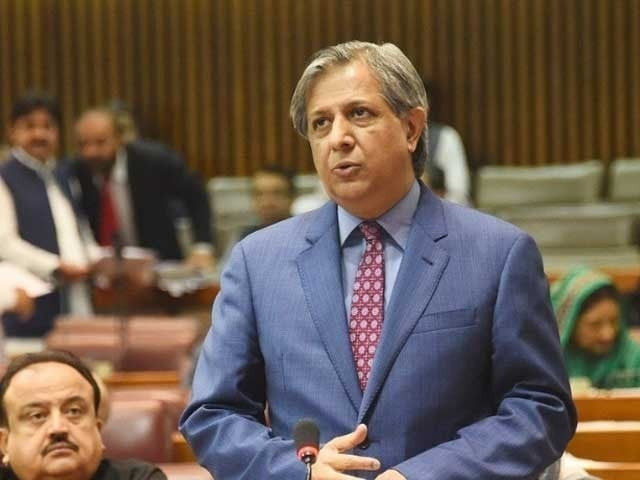
Federal Law Minister Azam Nazeer Tarar. PHOTO: EXPRESS/ARCHIVE
ISLAMABAD:
The Senate on Thursday passed a private member’s bill, seeking amendments to the National Accountability Ordinance (NAO), 1999, introducing a second appeal forum in accountability cases and clarifying various procedural provisions relating to bail, jurisdiction and administrative continuity at the National Accountability Bureau (NAB).
The National Accountability (Amendment) Bill, 2026, introduced by Senator Mohammad Abdul Qadir, proposes that high court decisions in NAB cases can be challenged through a second appeal to the Federal Constitutional Court within 30 days, expanding the appeal framework for accountability proceedings.
Justice Minister Azam Nazir Tarar told the house that the government had no objections to the proposed amendments, describing them as constructive improvements to the existing law.
During the debate, Tarar said the bill addresses certain procedural ambiguities in accountability law, particularly regarding the power of courts to grant bail and the handling of proceedings.
“In my opinion, these are good suggestions,” the Justice Minister said, adding that the amendments were aimed at providing clarity and strengthening legal safeguards on accountability.
Under the proposed amendments, relevant accountability courts and high courts would be clearly empowered to grant bail or order the release of an accused under the relevant provisions of the Code of Criminal Procedure.
The bill also proposes to allow the president of the National Accountability Office to serve a three-year term that can be extended once for three more years, replacing the current provision prohibiting re-election or extension.
Another change seeks to annually adjust the financial threshold used in NAB cases in line with the inflation index published by the Pakistan Bureau of Statistics, ensuring that monetary limits remain realistic over time.
Additionally, the bill clarifies that procedural provisions governing trials under the accountability law would also apply to appellate proceedings, a measure intended to eliminate interpretive ambiguity in the ordinance.
House Leader Senator Ishaq Dar supported the bill during the debate, arguing that it introduces positive legal improvements and should not be politicized.
He said the Constitution allows the Federal Constitutional Court to hear appeals from high court decisions if parliament provides that forum through legislation.
“The Constitution clearly states that the Federal Constitutional Court shall have jurisdiction to hear appeals from judgments and orders of a higher court when so provided by an Act of Parliament,” Dar said, citing the relevant constitutional provision.
He noted that the measure is a private bill and stressed that Parliament periodically examines this type of legislative proposals.
“If someone believes more changes are needed, they can always submit another amendment bill. Legislation is an evolving process,” he said.
However, Treasury courts supported the proposal, arguing that it would strengthen due process protections in accountability cases.
Law Minister Tarar told the House that under the existing NAB law, as of right only one appeal is available, to the concerned High Court, and the proposed amendment would expand the legal remedies available to litigants.
He added that providing an additional appeals forum could help address long-standing criticism that the accountability law is too strict and lacks adequate safeguards for fundamental rights.
The motion to introduce the bill was put to a vote by the chair and passed by voice vote despite opposition from some members.
Following its approval in the Senate, the bill will now go to the National Assembly for consideration.


