
Bitcoin briefly approached $74,000 this week, boosted by a series of bullish developments that have brought the cryptocurrency industry ever closer to traditional finance.
Some market watchers began to call this a bullish rally, with one analyst even saying the new run “has legs.”
However, the demonstration did not last. By the end of the week, the largest cryptocurrency had fallen back below $69,000, losing $110 billion in market cap.
The pullback came despite what might otherwise have been considered some of the most positive institutional news for the sector in months.
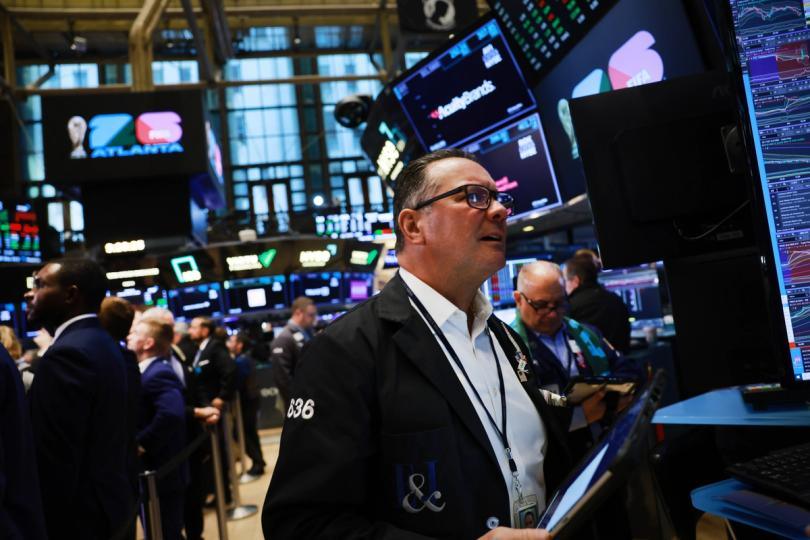
Morgan Stanley named Bank of New York Mellon custodian of its spot exposure to bitcoin ETFs, adding another layer of Wall Street infrastructure around the asset class. Cryptocurrency exchange Kraken gained access to the Federal Reserve’s payments system, a milestone in the integration of cryptocurrency companies with the US banking network. Intercontinental Exchange (ICE), owner of the New York Stock Exchange, invested in crypto exchange OKX, valuing it at $25 billion, while US President Donald Trump publicly suggested that traditional banks should establish a viable relationship with the crypto industry.
Individually, any of these developments could have sparked a market rally in previous crypto cycles, when institutional adoption was seen as the catalyst that would send cryptocurrencies on a massive bull run. Instead, now that adoption is here, the market is ignoring it as macroeconomic forces have taken control.
Why the liquidation?
The sell-off was mainly triggered by the strengthening of the US dollar as the conflict in Iran escalated, after US President Donald Trump appeared to quash any possibility of any sort of negotiated deal with Iran, saying: “There will be no deal with Iran.”
This led to a rise in oil prices, fresh concerns about inflation and changes in interest rate expectations (despite employment data showing a weakening market), putting pressure on risk assets globally. Stocks fell as the dollar index rose, followed by cryptocurrencies, which have increasingly been traded alongside tech stocks (read: risk assets).
If that weren’t enough, cracks in the global private credit market expanded to Wall Street giant BlackRock reportedly beginning to limit withdrawals from its $26 billion private credit fund amid growing requests for refunds. After similar stress at Blue Owl, which sold $1.4 billion in loans last month to deal with withdrawals, developments began to unsettle investors.
Reality check
So what does this week’s episode mean? A growing reality in crypto markets: macro importance is more important than crypto-native news.
In recent years, bitcoin has become more closely correlated with the Nasdaq and other risk assets as institutional investors entered the market. Hedge funds, asset managers and ETF flows increasingly treat bitcoin as part of a broader portfolio of macro-sensitive assets, which react to liquidity conditions, interest rates and the strength of the dollar.
Ironically, the same institutional adoption that many in the industry have long sought may be contributing to this dynamic.
As bitcoin becomes integrated into traditional financial portfolios, its price is increasingly influenced by the same forces that move stocks, commodities, and currencies. When the dollar rises or interest rate expectations rise, liquidity shrinks across markets, and cryptocurrencies are rarely immune.
That does not mean that the constant pace of institutional advances is irrelevant. The expansion of custody services, banking access, and currency investment point to a deeper, more mature crypto market structure forming beneath the surface.
Who sells?
One question investors ask when such conflictive price action hits the markets is: Who is selling?
The macroeconomic risk seemed to have mostly spooked short-term bitcoin holders, who cashed out when bitcoin hit $74,000.
These short-term holders transferred more than 27,000 BTC ($1.8 billion) to exchanges with gains over the past 24 hours, one of the biggest spikes in recent months, according to CryptoQuant analyst Darkfost.
Short-term holders are typically the most reactive group in the market, and their selling reflects lingering caution amid the ongoing war in Iran and other macroeconomic uncertainties. These holders act more like traders, jumping in and out of an asset to make quick profits, rather than investors who want to buy and hold for the long term. And with bitcoin’s low liquidity, these moves put a dent in the price action
And the data proves it.
The only short-term investors currently making profits are those who accumulated bitcoins between a week and a month ago, at a realized price of about $68,000, suggesting that some recent buyers above that price are choosing to lock in profits rather than add to their positions.
In the short term, with cryptocurrencies in the midst of a bear market dating back to early October and macroeconomic uncertainty, price is the only thing investors care about.
Silver lining
But it’s not all pessimism.
A recent report from Binance Research noted that US spot bitcoin ETFs recorded approximately $787 million in net inflows last week (their first positive weekly inflows since mid-January), suggesting that some institutional investors may be starting to re-engage with the market after several weeks of persistent outflows.
In fact, at a recent conference, giant university endowment funds, which tend to focus on long-term performance, said they have begun looking at other alternative investment ideas, including digital asset-related ETFs, given the sky-high valuations of traditional stocks.
The report also noted signs that the speculative excess may already have been eliminated.
Bitcoin funding rates have fallen to their lowest levels since 2023, indicating that leveraged long positions have largely been unwound, conditions that historically create a cleaner foundation for longer-lasting rallies driven by spot demand rather than short-term speculation.
In the end, it all comes down to conviction and market movements.
Some traders called the strong rally earlier this week a “bullish trap” – a brief breakout that attracts late buyers before reversing lower. While institutional conviction is rising, with low liquidity, a skittish market, macro headwinds, and a lack of clear catalysts, bitcoin’s price action, at least this week, appears to have proven them right so far.
Read more: Bitcoin is stagnant, but JPMorgan says new legislation could be the final spark


