
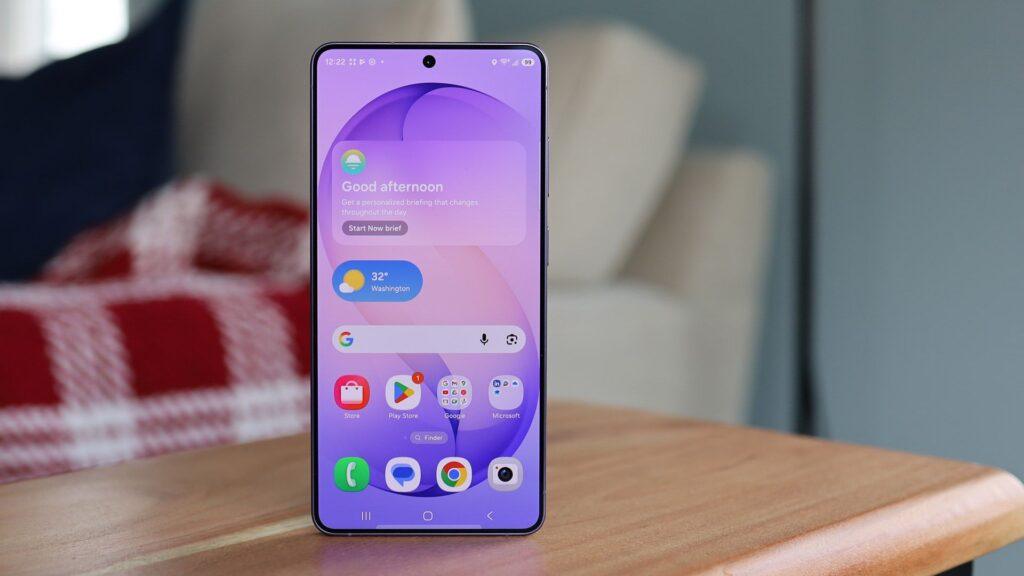
- Some outlets were apparently given incorrect Galaxy S26 Ultra specifications
- Phone screen has 8-bit color depth, not 10-bit
- Samsung has AI mania, but buyers want more high-end hardware
The Samsung Galaxy S26 Ultra isn’t even out yet and has become embroiled in a controversy that probably won’t make sense to many people, but has caused quite a bit of anger and a lot more confusion.
So what happened? Well, the Galaxy S26 Ultra has a 6.9-inch, 3120 x 1440 Dynamic AMOLED 2X display, and it looks great, but it only supports 8-bit colors. Some outlets initially reported that the display supported 10-bit color, apparently based on information provided in briefings, leading to it being widely reported before the confusion became apparent.
It was initially unclear whether this was misinformation provided by Samsung or a simple misunderstanding by the press. But a Samsung spokesperson has now clarified this, telling us: “The Galaxy S26 series uses an 8-bit display panel. It features the custom chipset for Galaxy, which delivers up to 4 times the image processing power for better display. In a recent briefing, “10-bit” referred to the 10-bit mDNIe color processing, not the panel’s native bit depth.”
Due to the “downgrade” from 10-bit to 8-bit, some online commentators recently claimed that Samsung lied to buyers and the press, calling the situation “absolutely disgraceful.”
There was no evidence that this was an intentional change on the part of the brand, although some marketing material did surface (on Reddit) showing mentions of a 10-bit display. But overall, it seems to be mainly due to some misunderstandings about the specifications and communication lost in translation.
8 bits vs 10 bits – what’s the problem?
Some Samsung fans are outraged by the change, but many others are probably scratching their heads and wondering what a “bit” is.
Simply put, this number refers to how many colors the screen can display. With 8 bits showing 16 million colors and 10 bits showing 1 billion, there is a big difference. The most noticeable change occurs in banding, which is when a gradient of colors is displayed in distinct chunks rather than a smooth spectrum of tones, and in my experience it’s most noticeable in shots of sunsets.
This color range may not be important to everyone, but the type of users who pay four-figure sums for a high-end Android phone may need it. Content creators who want to record, edit and publish their videos on a phone, for example, may need as wide a color gamut as possible.
Some phones on the market have displays with 10-bit color depth, including the OnePlus 15 and Honor Magic 8 Pro, and the Xiaomi 17 even hits 12-bit, according to the company. However, the iPhone 17 family is also 8-bit. Many users have pointed out that an expensive phone should have the best specifications available.
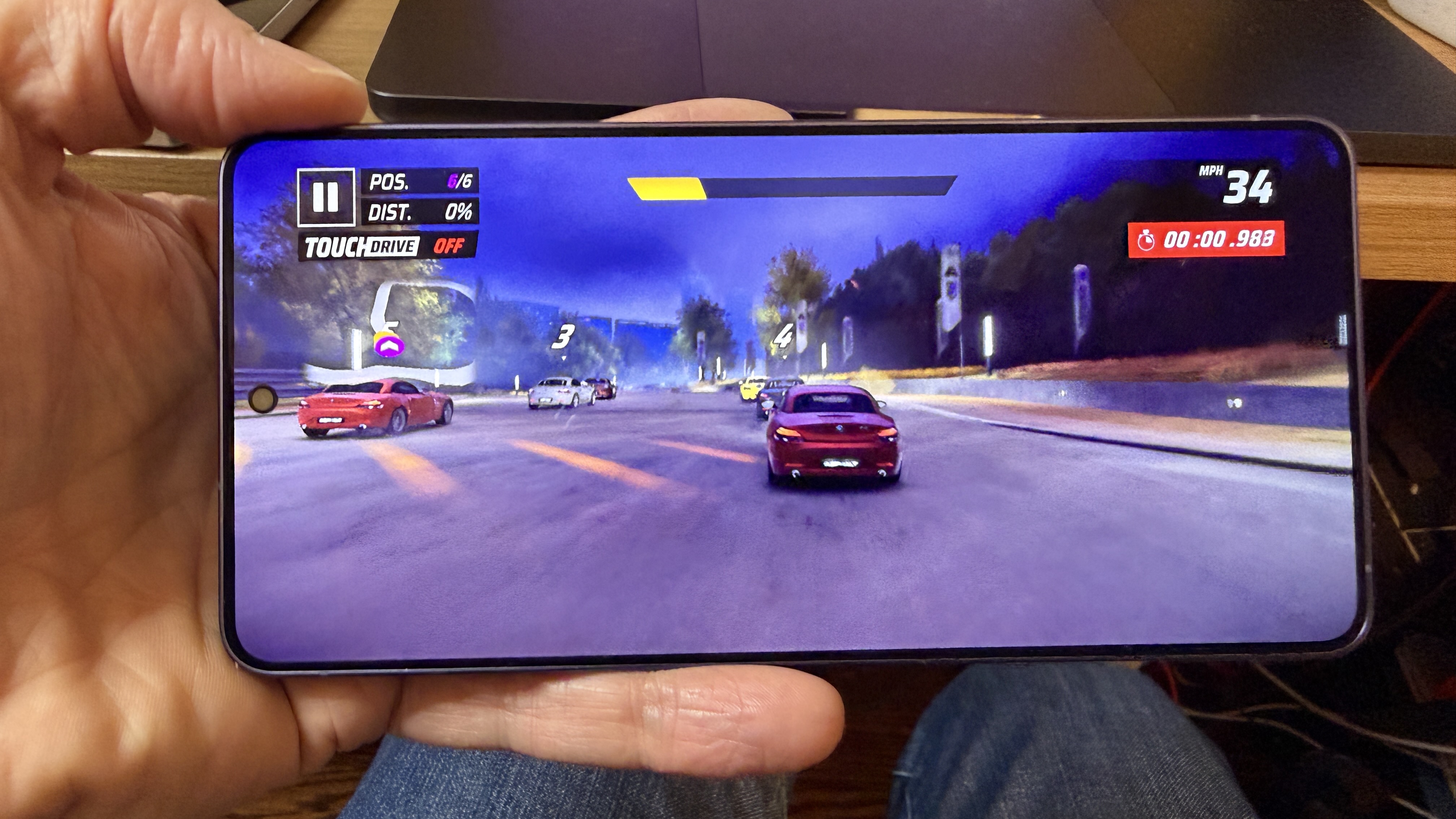
Samsung is a big name in mobile displays (Samsung Display supplies panels to many other manufacturers) and for a long time Galaxy devices used to have the best phone displays money could buy.
However, more than its rivals, Samsung has pivoted heavily towards AI as the main selling point of its new devices. The name “smartphone” is often replaced with “AI phone,” for example. In an interview I recently conducted with Samsung UK’s Vice President of Product and Marketing, Annika Bizon, I was told that “AI is our lifeblood.”
“We believe we are well ahead of the market with AI,” he continued, “by the end of this year, there will be 800 million AI-enabled Galaxy devices.”
The display controversy suggests that hardware is still king for some buyers and that new AI tools are not as important. With the rising cost of technology, people want high-end features, especially if they pay for an ‘Ultra’ device. And with its 8-bit display, Samsung fans argue there’s not enough value for the money, and all the 10-bit confusion only serves to underline what buyers could have had.
At least we have an easy item for the Samsung Galaxy S27 wish list: a 10-bit display… or at least clearer communication about the phone’s specs.
Follow TechRadar on Google News and add us as a preferred source to receive news, reviews and opinions from our experts in your feeds. Be sure to click the Follow button!
And of course, you can also follow TechRadar on YouTube and tiktok for news, reviews, unboxings in video form and receive regular updates from us on WhatsApp also.


