
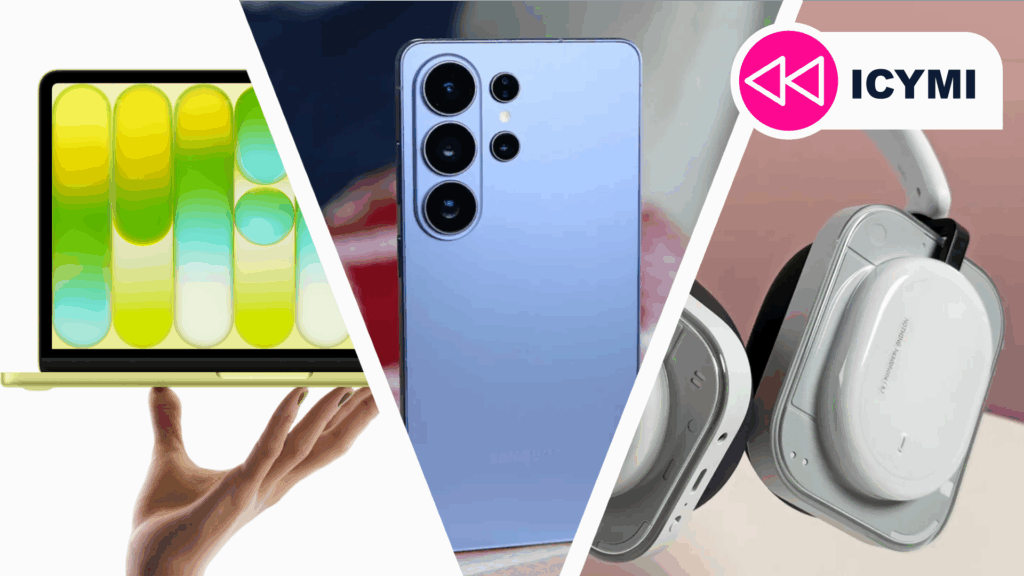
This week we went to MWC and were able to enjoy some of the major releases from Nothing and Apple, including the Apple MacBook Neo.
There’s a lot of news coming out of the tech world this week, so we’ve had to go from the usual seven-story ICYMI to nine full articles, so we don’t have time to waste time on this introduction.
9. We review the Samsung Galaxy S26 Ultra
Samsung pulled a nice trick with its Galaxy S26 Ultra. It is not a reinvention and, at first glance, it could be confused with the S25 Ultra. However, it made key updates to lenses, image processing, design, materials, and raw power that should please most Galaxy fans (all without increasing the price). The new phone is also packed with artificial intelligence, but it certainly makes the best use of the built-in Gemini. However, it’s two other innovations that elevate the S26 Ultra above all other Androids: Privacy Display and Super Steady Horizontal Hold. The first is the first hardware-based privacy screen for smartphones, and the second, well, you have to try this “gimbal on your smartphone” to believe it.
8. ChatGPT was canceled due to its agreement with the Pentagon

Could ChatGPT one day power autonomous killing machines? That’s the question many are asking after OpenAI signed a deal with the Pentagon after Anthropic’s Claude was labeled a “supply chain risk” for making that one of two red lines in his rejected version of a similar deal.
OpenAI says it shares Anthropic’s belief that AI should not make the decision to kill a person or be used for mass surveillance of American citizens, but leaks suggest its agreement with the Pentagon is a little more flexible than Anthropic’s would have been: OpenAI’s version says the Pentagon must follow the law and its internal guidance, both of which could be changed by the US government and Pentagon officials in the future.
As a result, users have abandoned ChatGPT in droves and switched to Anthropic’s AI in what appears to be a ringing endorsement of its AI ethics. Although Anthropic is reportedly in talks to reach a deal with the Pentagon, we’ll have to wait and see if he makes concessions too after all.
7. Somehow Xbox came back

If you told us that the Xbox Series
Three weeks after Asha Sharma replaced Phil Spencer as CEO of Xbox, she teased new hardware codenamed Project Helix. He explained that “Project Helix will lead the way in performance and play your Xbox and PC games,” suggesting it will be a hybrid PC console similar to Valve’s upcoming Steam Machine. This could also explain why Sony is abandoning its plans to release PlayStation games for PC; Xbox may not care where you play its titles, but Sony clearly doesn’t want you to enjoy its games on Xbox consoles.
Little else is known about Helix for now, but the fact that it’s available is enough for now.
6. Nothing made great sequel headphones
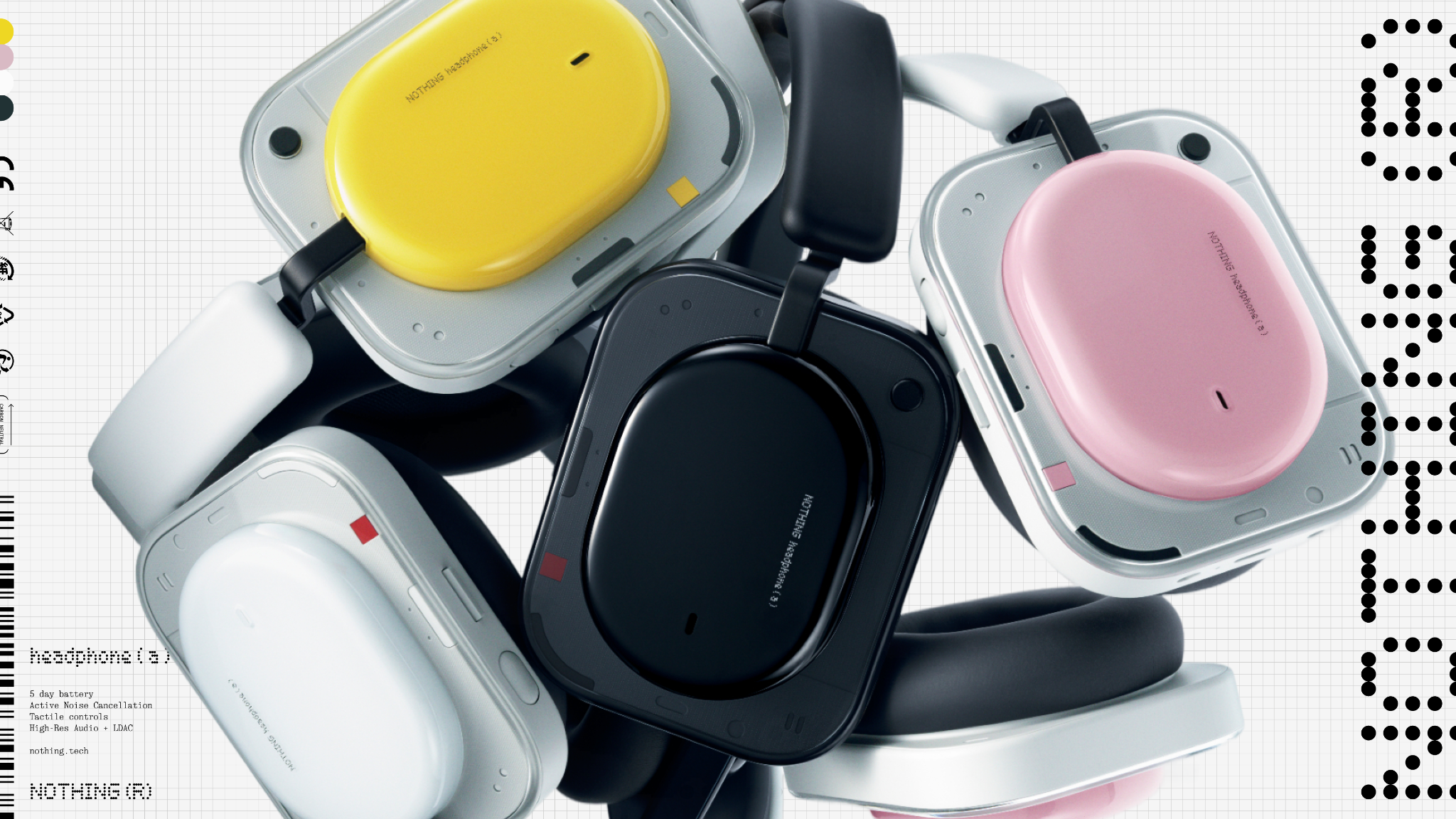
Nothing just introduced its second pair of headphones and they are something of a miracle. The Nothing Headphones (a) are much cheaper than their first pair, the Headphones (1), but they are somehow better. The sound is bigger and more fun, the battery life is so long it’s basically the best headset you can buy, and the design is much less divisive.
Despite all the improvements, they are half the price of the previous headphones in the UK and are a third cheaper in the US. They are the platonic ideal of what you want from the follow-up to a product that missed the mark a bit and could be among the best headphones of the year.
5. Nothing launched a new budget phone and it’s a hit.
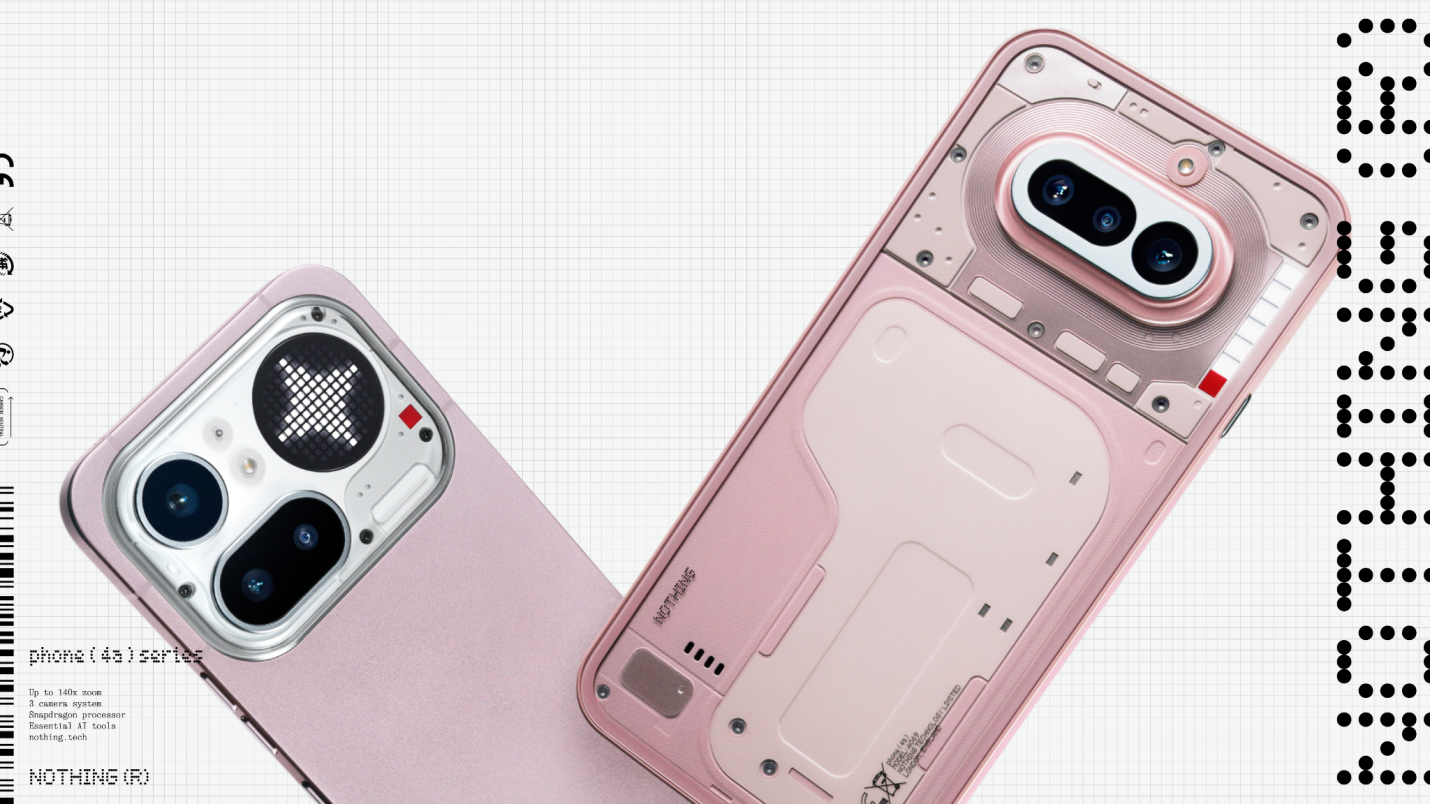
We review the Nothing Phone (4a), the latest budget device from one of the most stylish tech brands out there. In our four-star review, we raved about the (4a’s) standout look, including a sleek new glyph bar and a variety of eye-catching color schemes.
However, this model is more than just a pretty face. Its Qualcomm Snapdragon 7s Gen 4 processor offers very solid performance and its streamlined user interface is a pleasure to use. The (4a) also includes a higher resolution, brighter screen, and larger battery than its predecessor. It’s not entirely perfect, though: we had some qualms about the camera quality and it would have been nice to see wireless charging on board.
4. We saw the best of MWC
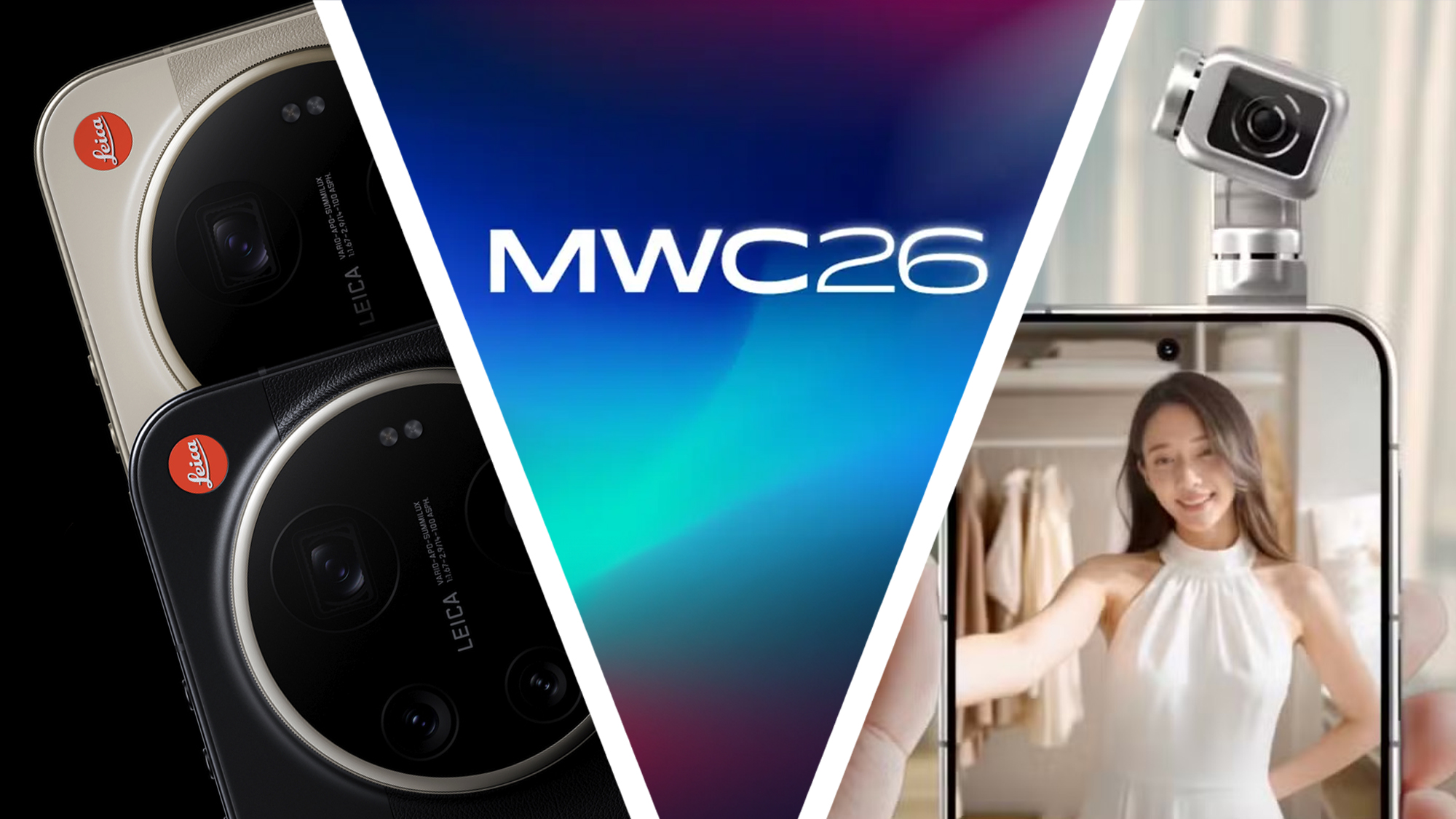
Another year, another Mobile World Congress; This year’s MWC was, as always, packed with mobile technology and we dug through it all to find the best of the show.
Honor, Nothing and Samsung impressed us with their smartphones, including the Honor Magic V6, a new slimmest foldable yet, and the Nothing Phone 4(a), which is still fun and affordable.
There were also some interesting concept designs that may never see the light of day but are still worthy of awards, like the Lenovo ThinkBook Modular PC Concept.
3. The mid-range iPhone 17e arrived to battle the Pixel 10a
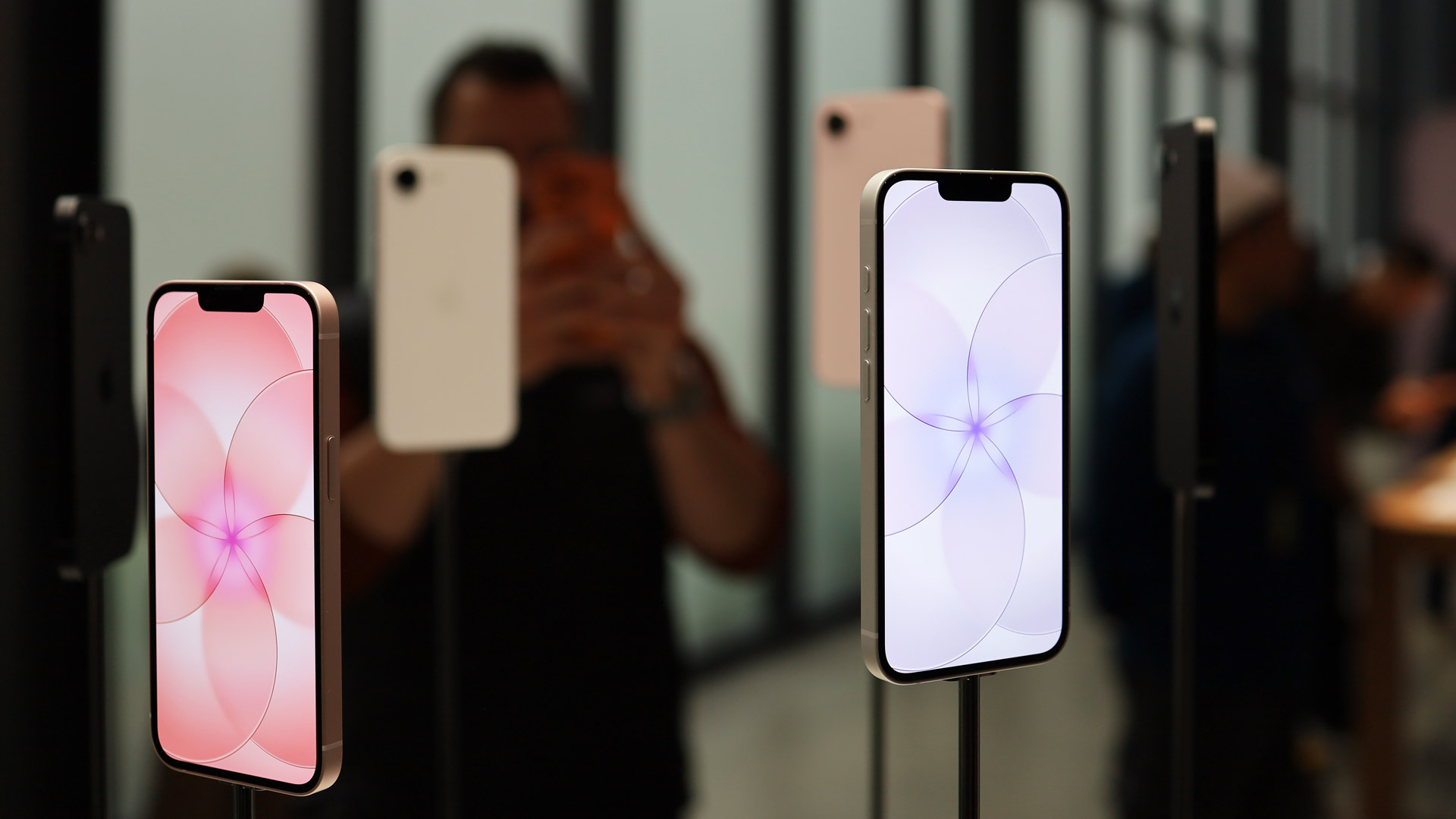
It may lack the newness and shine of the MacBook Neo, but the iPhone 17e might be the most spectacularly sensible thing Apple announced this week. The mid-range phone is a modest upgrade, with an A19 chip, a new C1X modem and MagSafe charging as the main upgrades to the 16e.
But all those quality-of-life improvements support the main headline here: the iPhone 17e costs the same as its predecessor, starting at $599 / £599 / AU$999. It’s a pretty good deal for upgraders who don’t mind missing out on an ultra-wide camera, and makes this phone a strong rival to the slightly cheaper Google Pixel 10a.
2. The iPad Air, MacBook Air and MacBook Pro were updated
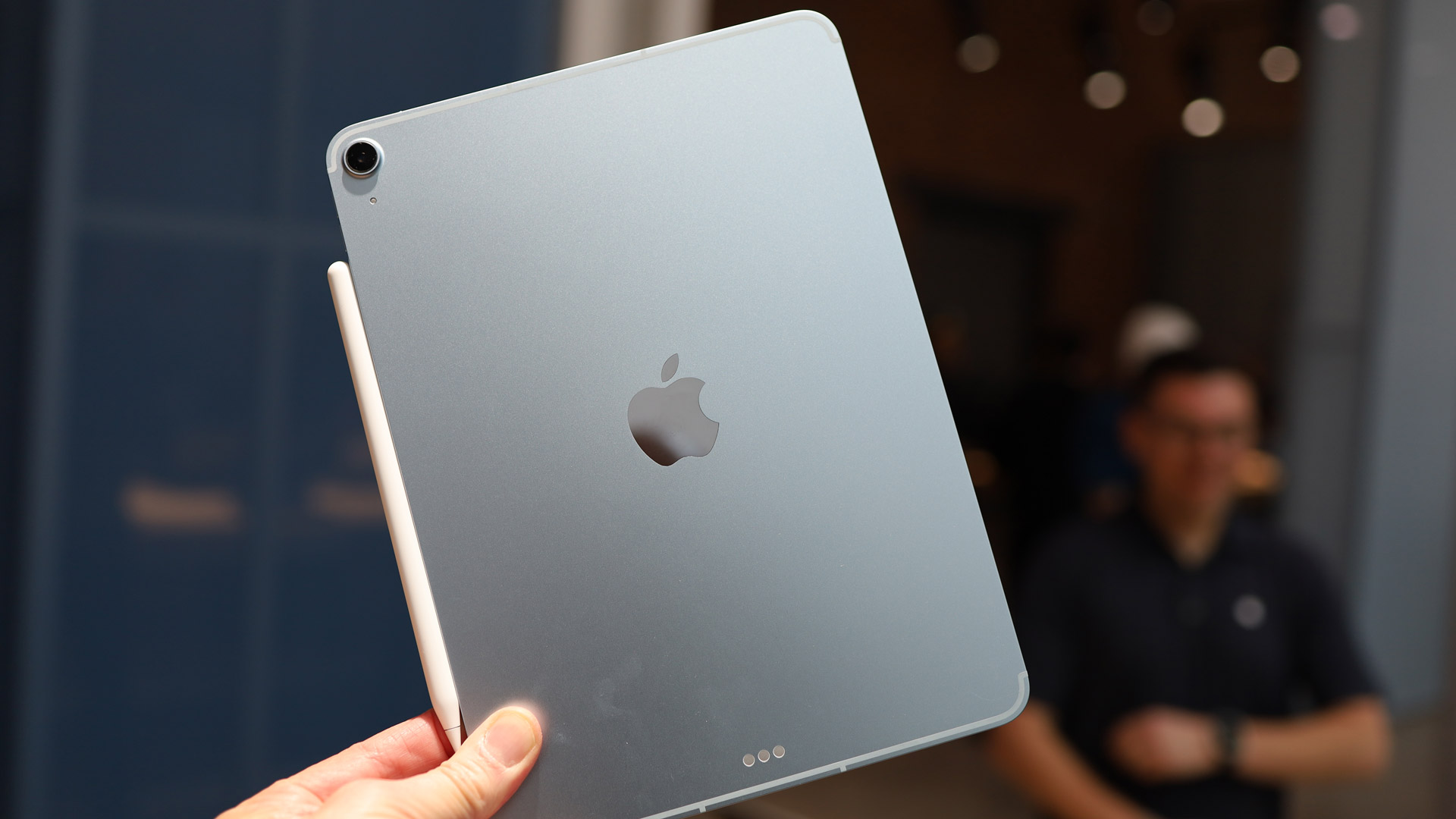
It was a big week for Apple releases, and while the MacBook Neo was the only truly new release, we also got spec upgrades for three of its most popular products. The iPad Air M4 is effectively last year’s M3 model with a new chip (apparently 30% faster) and more modern connectivity including Wi-Fi 7.
And if you’re in the market for a new MacBook, congratulations on waiting until March. The MacBook Air M5 now has Apple’s latest base chip and could be the best laptop in the world (if we can forgive it for that small price increase).
Finally, the MacBook Pro is now available with M5 Pro and M5 Max chips, and even comes with 1TB of storage as standard, although you might want to shield your eyes from its price. The M5 Max version starts at $3,599 / £3,599 / AU$5,799), the same as six MacBook Neos.
1. Apple revealed the $599 MacBook Neo
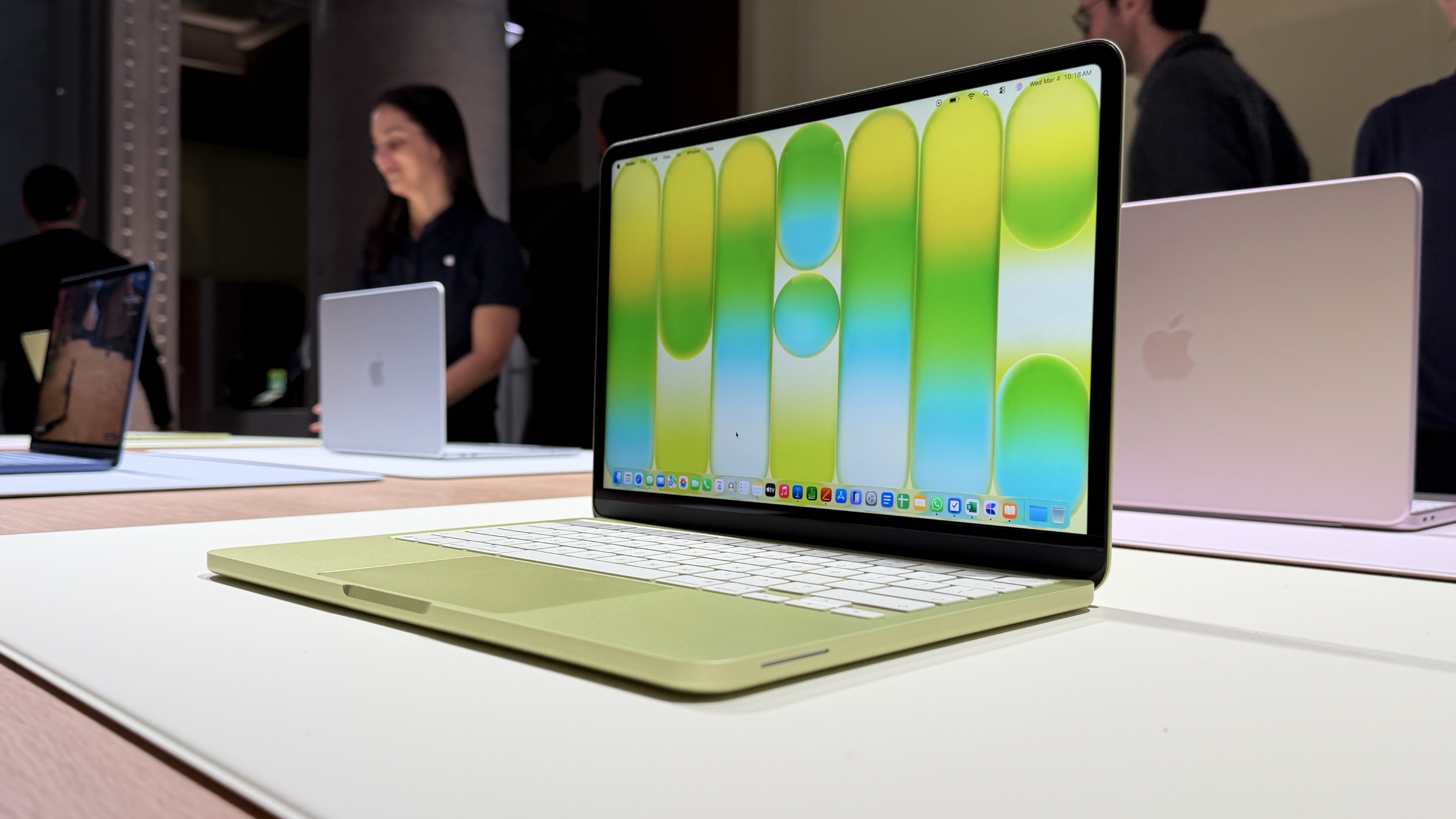
It had been rumored for months, but it still came as a surprise when Apple revealed its cheapest MacBook this week. The MacBook Neo is a fun and colorful Chromebook rival that’s powered by an A18 Pro chip and starts at just $599 / £599 / AU$899.
We haven’t fully tested the Neo to see how it performs yet, but our first impressions were good. In fact, we’ve already called it “the most important product of 2026” so far, mainly because it arrives against the backdrop of a RAM price crisis and a dearth of compelling Chromebook rivals. If it is also one of the better The products of the year remain to be seen.


