
The warlike rally in oil has just hit its first real obstacle.
Crude oil futures tokenized on Hyperliquid’s CL-USDC contract fell sharply from a high of $118 to $102.83 on Monday after the Financial Times reported that G7 finance ministers would discuss a coordinated release of emergency oil reserves through the International Energy Agency.
Bitcoin rose above $67,300, reversing a move below $66,900 from earlier in the day.
Three G7 countries, including the United States, have expressed support for the plan. Ministers and IEA Executive Director Fatih Birol are expected to hold a call to discuss the impact of the Iran war on energy markets.
The reversal was quick. CL-USDC had risen more than 25% early Monday as the conflict expanded over the weekend, with Iran naming a new supreme leader, Israeli attacks escalating to Lebanon and Iranian missiles hitting Saudi Arabia.
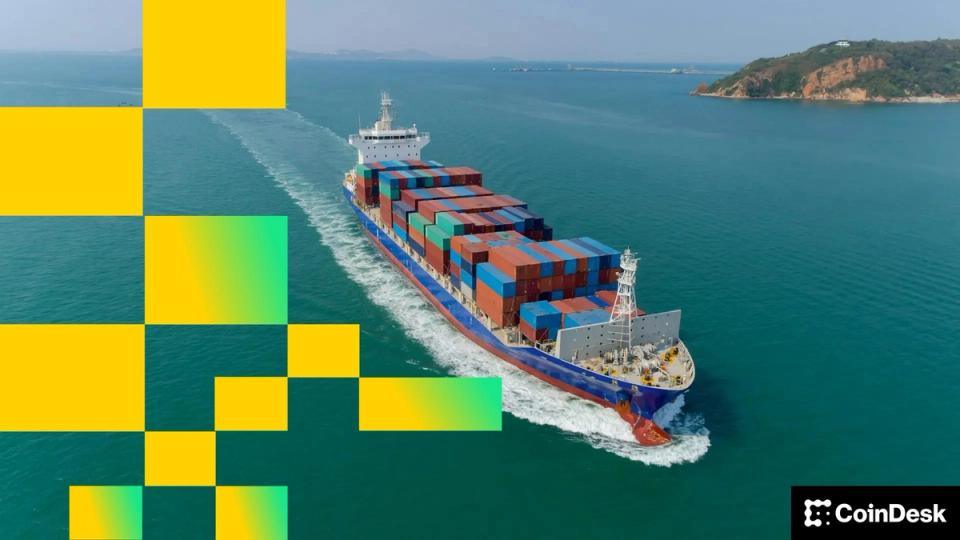
Iraq’s oil production fell by about 60% and tanker traffic through the Strait of Hormuz collapsed. The contract reached $118 before G7 holders reduced it to $102, still up 7.2% on the day but a far cry from the highs.
Open interest on the contract stands at $181.9 million with $823 million in 24-hour volume, reflecting the huge demand for oil exposure in crypto-native venues where traders can react to weekend headlines that traditional commodity markets cannot quote until Monday’s open.
The release of G7 reserves, if it materializes, would be the most significant coordinated intervention in oil markets since the Russia-Ukraine war in 2022. Whether it will be enough to offset the supply disruption depends on the scale of the release and how long the Strait of Hormuz remains effectively closed.


