
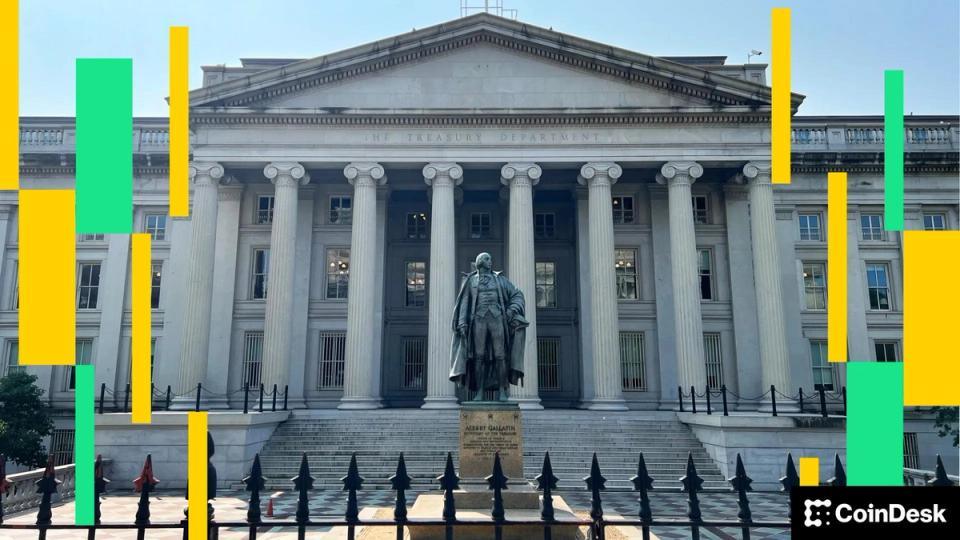
After years of opposition to cryptocurrency mixers, on-chain services that obfuscate digital asset transactions, the US Treasury Department now says they may have legitimate privacy uses as well as their much-vaunted criminal applications.
In a report related to the implementation of the Genius Act, the Treasury acknowledged that combining services can serve legal purposes on public blockchains. These include protecting personal finances, business transactions and charitable donations from being publicly traceable. The department noted that privacy tools can coexist with compliance when properly designed, for example through record-keeping or other safeguards.
“As consumers increase their use of digital assets for payments, people may want to use mixers to keep their consumer spending habits more private,” the Treasury noted in the report.
Mixers, which obscure the origin and destination of digital asset transactions by pooling user funds, have long been controversial in Washington. In 2022, the Treasury’s Office of Foreign Assets Control (OFAC) blacklisted Ethereum-based mixer Tornado Cash, accusing it of facilitating the laundering of billions in illicit cryptocurrencies linked to North Korea’s Lazarus hacking group. The sanctions effectively prevented Americans from using the tool and sparked one of the most contentious regulatory fights in the cryptocurrency space.
In 2025, the government delisted Tornado Cash following legal challenges and an appeals court decision questioning the Treasury’s authority to impose sanctions on open source smart contracts. Although he is out on bail, Tornado Cash co-founder and developer Roman Storm still faces legal problems, as prosecutors say they have enough evidence to prove that he built features into the mixer knowing they would help cybercriminals.
The report does not abandon concerns about illicit financing. It highlights mixers as tools often used to hide stolen funds and emphasizes the need for stricter anti-money laundering (AML) controls on all digital assets. But it also claims that privacy technology itself is not inherently illegal.
Beyond the mixers, the report points to broader policy changes. Treasury encourages Congress to clarify which decentralized finance (DeFi) actors should be subject to AML obligations, explore digital identity tools that enable compliance without excessive data collection, and consider new authorities that allow institutions to temporarily freeze suspicious digital assets.


