
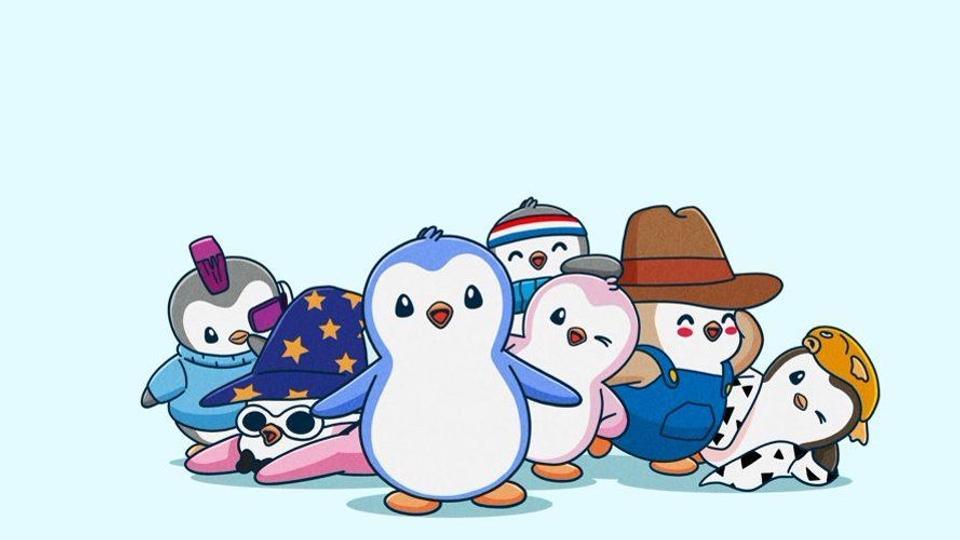
Pudgy Penguins shipped its flagship game to the general public on Monday, and most notably, you wouldn’t know it had anything to do with cryptocurrencies unless someone told you.
Pudgy World, the browser game first announced at Art Basel in late 2023, launched with 12 unique cities in a world called The Berg, narrative quests in which players help a penguin named Pengu find someone named Polly, and a series of mini-games.
CoinDesk played a 10-minute session and came up with a simple conclusion. It’s fluid, responsive, intuitive, and clearly not designed with a cryptocurrency-first user in mind.
“We built custom world-building tools using open source web technology, giving us a lightweight editor built for speed and rapid iteration,” co-founder @chefgoyardi said in an
“We designed the physics specifically for the browser. Fast movement, parkour, fluid navigation and high frame rates even on low-end devices,” they added.
The game could be pure Club Penguin nostalgia for some users. The game was Disney’s browser-based virtual world that ran from 2005 to 2017 and peaked at over 200 million registered users, mostly children who customized penguin avatars and played mini-games.
It’s still the model for what a mass-market penguin game looks like, and the comparison to Pudgy World could be drawn with a broader audience.
The NFT gaming space has been producing wallet-like products with a built-in game for years. Pudgy World goes in the other direction, building something that works as a game first and then connects to the token economy.
Whether that translates into retention and revenue is a different question, but the UX approach is a deliberate break from the pattern.
The PENGU token responded, jumping 9% on the day. Pudgy Penguin NFT floor prices remained stable in ETH terms, although ether itself rose 5%, meaning the dollar-denominated floor rose with it.

The broader context is that crypto games have mostly failed to produce anything that people actually want to play. Projects that were carried out with token incentives attracted mercenary farmers who left the moment the monetary returns dried up.
Pudgy’s bet is that building an audience through toys, memes, and brand affinity first, and then giving that audience a game, works better than the other way around.
The release of a game does not prove the thesis. But releasing a product that looks like a game rather than a DeFi dashboard is more than most NFT projects have achieved.


