
Province launches Cashless KP initiative, secures cabinet approval for Khyber-Pakhtunkhwa Digital Payments Bill, 2025
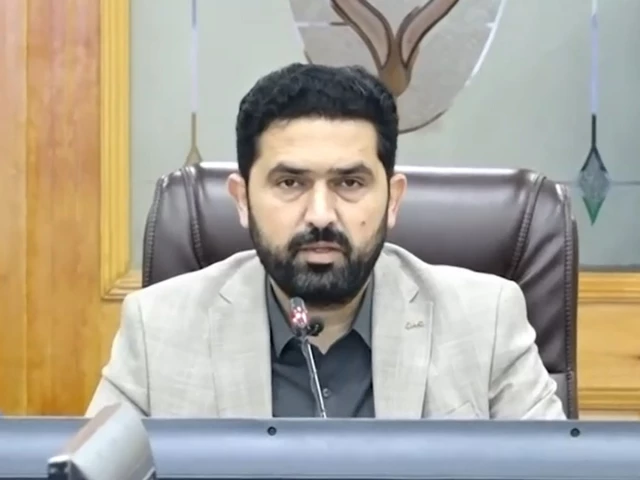
KP CM Sohail Afridi. Photo: screenshot
PESHAWAR:
Khyber-Pakhtunkhwa Chief Minister Muhammad Sohail Afridi has reaffirmed that providing timely and high-quality public services to citizens is the top priority of his administration, as the province moves forward on its ambitious Good Governance Roadmap to transform administrative efficiency, transparency and accountability.
Chairing a key review meeting via video link, the Chief Minister highlighted that the roadmap has already brought about measurable improvements in the government’s performance. “We are making institutions more effective and responsive, rebuilding public trust through faster and more transparent service delivery,” he declared. Clear performance targets and a robust monitoring system have been introduced in all departments to ensure that citizens receive services without delays or compromising on quality.
The officials presented detailed information on the achievements of the sector. On digital transformation, the province launched the Cashless KP initiative and secured cabinet approval for the landmark Khyber-Pakhtunkhwa Digital Payments Act, 2025, making KP the first in Pakistan to enact comprehensive legislation for a digital economy. The law, which will soon be introduced before the provincial assembly, mandates QR code-based payments in government and commercial transactions to drive transparency and financial inclusion. More than 100 public services have been digitized, including property transfers and issuance of land records (fard). The implementation of the e-Summaries and Electronic Offices systems has processed more than 1,500 summaries and more than 600 files, significantly streamlining bureaucratic processes.
Health reforms featured prominently, with 150 Basic Health Units (BHUs) and Rural Health Centers (RHCs) upgraded to function as 24/7 birth centres. Recruitment of 700 contract doctors to staff these facilities is progressing, while 2,400 medical officers have been approved for recruitment for vacant positions. The outsourcing of 72 health facilities is on track to be completed by August this year.
Tourism development in scenic areas received a boost thanks to the outsourcing of solid waste management by the Galyat Development Authority. Master plans and land use strategies are being prepared for Kalam, Kaghan, Kumrat and Galyat regions. Interest-free loans totaling Rs 150 million have been disbursed to locals for community tourist accommodation.
In agriculture, especially in the merged districts, grafting has converted 150,000 wild olive trees into high-yielding European varieties. Farmers received 200 mechanized agricultural machines and 700 waterways were improved with community participation.


