NEWNow you can listen to Pak Gazette articles!
The 2026 MLB season is officially here, but not without one of the biggest changes in sports history.
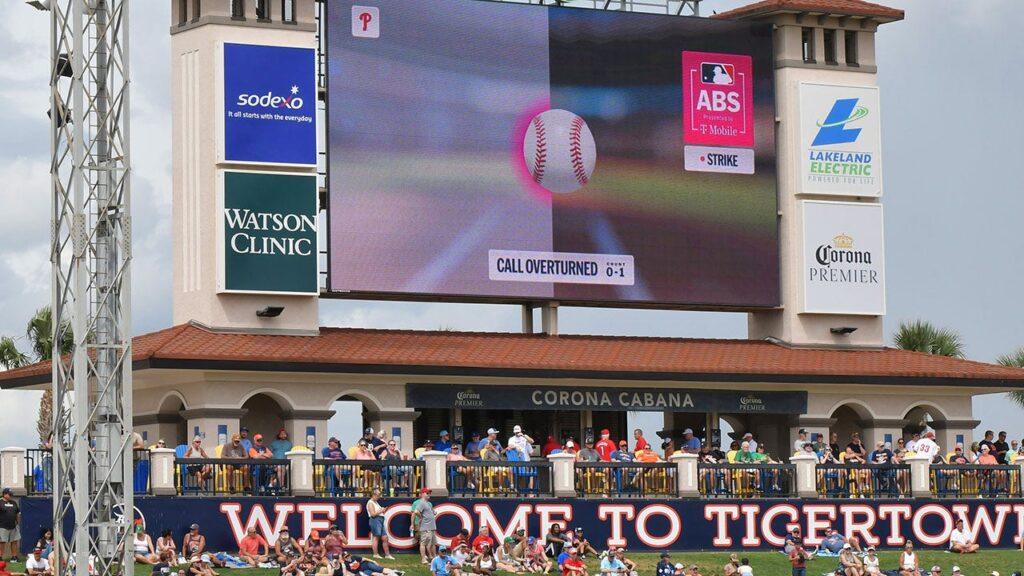
After a century and a half of the full human element behind the plate, hitters, catchers and pitchers will now have the ability to challenge balls and strikes. The challenge should be almost immediate, each team receives two and keeps the correct challenges.
Baseball Hall of Famer CC Sabathia once predicted that someone would hit .400 if there was a fully automated strike zone. While baseball hasn’t reached that point yet, the 250-game winner believes a boost will come on offense.
CLICK HERE FOR MORE SPORTS COVERAGE ON PakGazette.Com
The scoreboard displays an Automated Ball-Strike (ABS) challenge sponsored by T-Mobile during the spring training game between the Detroit Tigers and the Philadelphia Phillies at Publix Field at Joker Marchant Stadium on March 16, 2026, in Lakeland, Florida. (Mark Cunningham/MLB Photos via Getty Images)
“If you just watch the games, you’ll see how much these guys know the strike zone, and the pitchers really have to throw the ball over the plate,” the New York Yankees legend said in a recent interview with Pak Gazette Digital. “I think it will increase the offense. Just watching these games in spring training and seeing how closely these guys really know the strike zone. I think it can only help with the offense and, honestly, just making all the calls right.”
However, with the system the art of throwing is being fine-tuned. For starters, pitches, well, they have to be strikes, and breaking balls off the plate may not be to the pitcher’s liking.
But several pitchers have taken advantage to throw some curveballs at the top of the zone, an unorthodox pitch that would normally be called a ball due to an odd angle combined with human error, but which the ABS system could rule out as strikes.
Sabathia, showing his bias, admitted that he probably would have left the challenge to his catcher, but added that he would have had to adapt to the system.
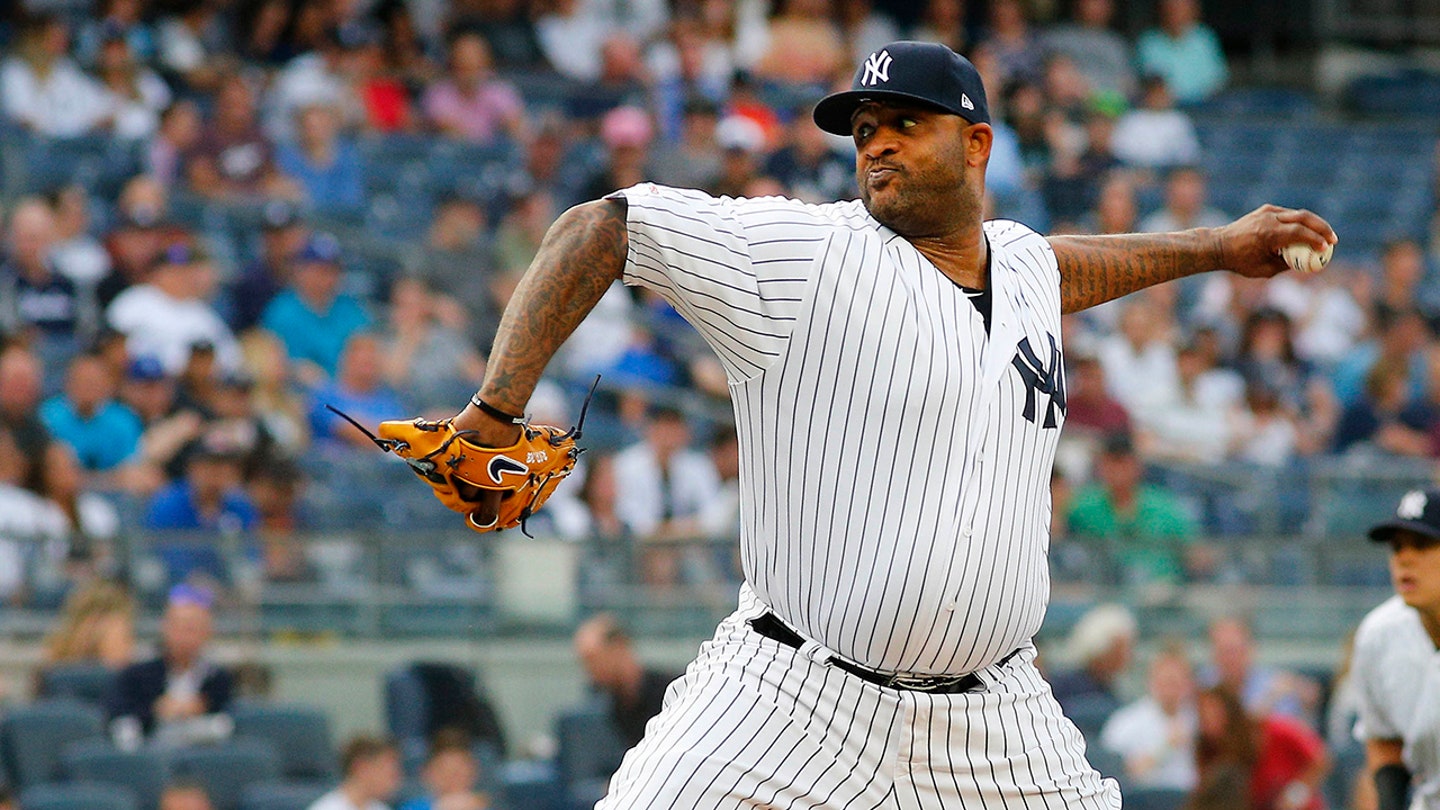
New York Yankees starter CC Sabathia (pitches against the Toronto Blue Jays during the first inning at Yankee Stadium. (Andy Marlin/USA TODAY Sports)
YANKEES LEGEND GIVES THOUGHTS ON LAST SEASON’S RUNNING BACK TEAM, AARON JUDGE’S CLUTCH FACTOR
“I just would have wanted to make sure my backdoor slider was at the plate and called a strike. It would have been a little adjustment for me, but I always wanted to make sure the calls were right,” he said. “We got the right calls every time. So I wouldn’t have had any problems with the ABS.”
It’s a pretty big change in baseball, which has gone through several rebuilds. Perhaps none before ABS have been bigger than the shot clock. And while he’s a thorn in the side of baseball purists, Sabathia is a big fan.
“It’s been huge to get the guys out of the stadium, to get the fans back into the stadium during the week, during the school year because you know the game is going to be over in two and a half hours. It’s made a huge difference, not only in the playability and the speed of the game, but also in the way the fans can watch it and digest it. I used to watch two games at once, now I don’t, because you can miss something. I actually love the way the game moves. Now, the way the guys keep the pace going, nobody complains about the clock. Now it’s natural.”
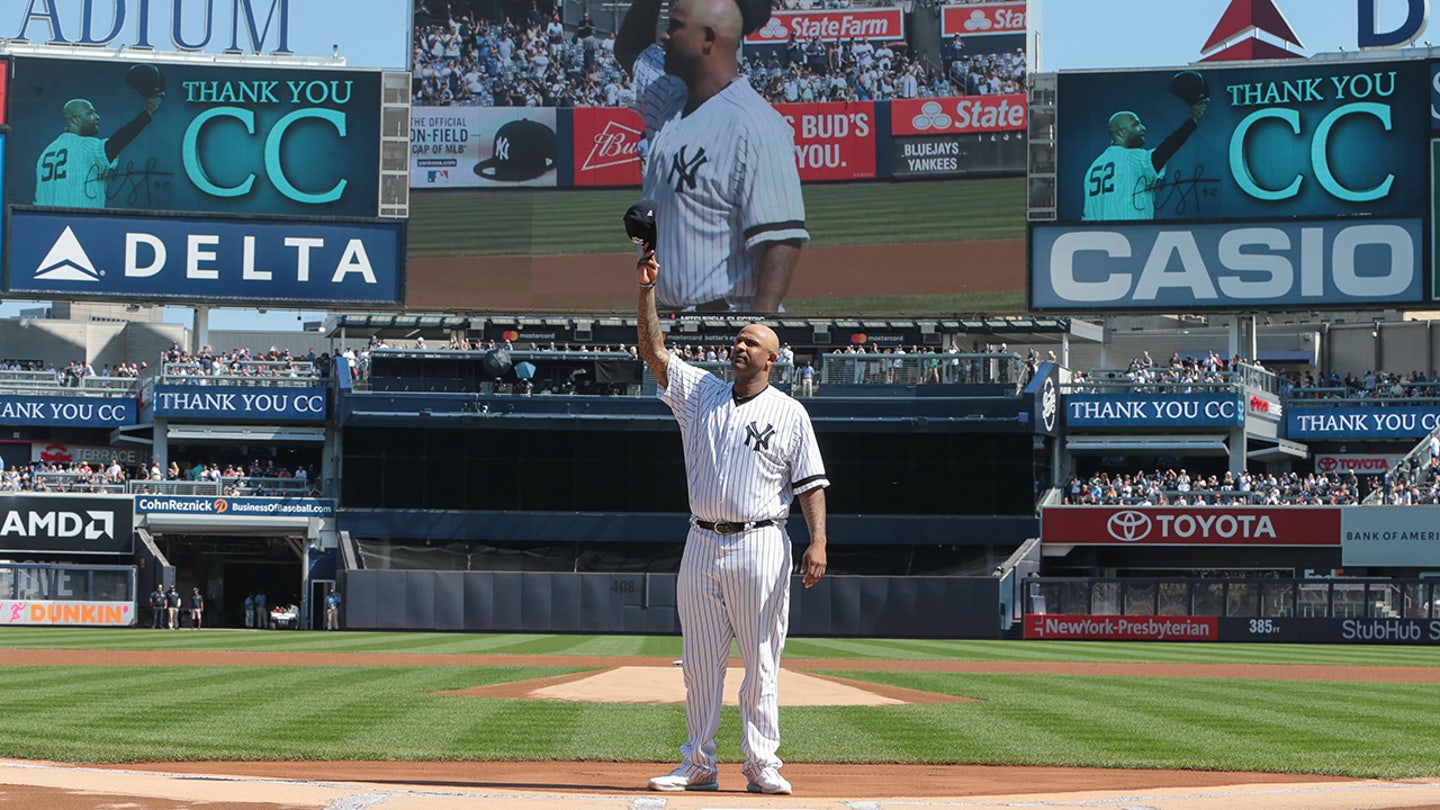
New York Yankees starting pitcher CC Sabathia greets fans during his ceremony before the game between the New York Yankees and the Toronto Blue Jays at Yankee Stadium. (Vincent Carchietta/USA TODAY Sports)
The ABS system was implemented in spring training last year after years of experimentation in the minor leagues and the Arizona Fall League.
The rule changes, which began in 2023, have proven to be beneficial for MLB, as attendance has increased in each of the last three years, the first time attendance has increased in consecutive seasons since it occurred in four straight from 2004 to 2007. It should also be noted that there has been an increase in single-admission doubleheaders, and last season, two teams played in minor league ballparks.