
- Panasonic says the expansion of AI is rapidly driving demand for data center backup batteries
- Customers have previously committed 80% of Panasonic’s production capacity
- Panasonic is evaluating its Kansas plant to support additional data center battery production
The RAM crisis has persisted for some time, showing no signs of easing, and is now spreading to storage, with gaming PC makers warning that CPUs could be next.
As companies struggle to address the impact of this crisis on planning cycles, the pressure is now spreading to less visible parts of the data center.
Now, Panasonic has said that demand for backup batteries is increasing rapidly and is largely driven by the expansion of artificial intelligence infrastructure that requires stable and continuous power.
Article continues below.
Batteries as critical infrastructure
Panasonic says it has already allocated about 80% of its planned production to existing customers, leaving only a limited portion for new buyers trying to expand systems.
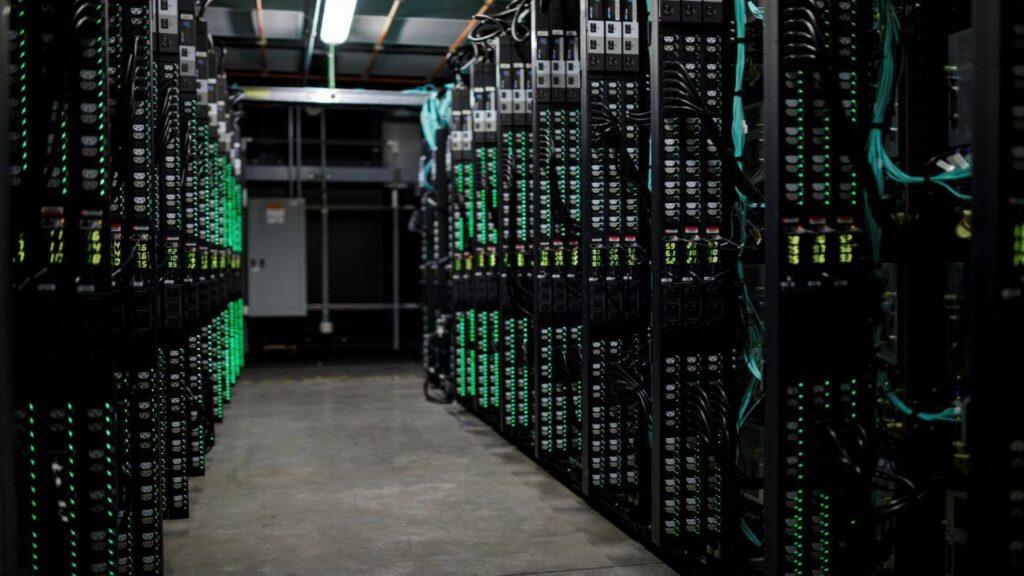
Their batteries are designed to sit inside server racks, providing short bursts of backup power that keep systems running during brief outages.
But this component now appears to be a key bottleneck, as uninterrupted power is essential to avoid costly downtime and protect critical AI workloads.
As organizations expand their data center operations and add more servers, supporting systems, such as power backup, are increasingly difficult to ensure within predictable timeframes.
This means that buyers outside existing supply agreements could find themselves competing for a limited proportion of batteries, as growing demand for AI infrastructure strains production capacity.
To respond to growing demand, Panasonic plans to expand lithium-ion cell production in Japan about three times and adapt parts of its automobile manufacturing lines to produce batteries for data centers.
It is also evaluating whether its Kansas plant can support additional production for data center applications.
These moves reflect an effort to redirect capacity toward computing-related demand as AI systems continue to expand.
In addition to batteries, the company is working on supercapacitors as an alternative form of backup power.
Unlike conventional capacitors that release energy almost instantaneously, supercapacitors store larger amounts and discharge more gradually.
Panasonic says these components will be used “to absorb fluctuations in power load,” with shipments expected to begin in its 2027 financial year.
The company expects data center-linked battery sales to reach 800 billion yen, roughly $5 billion, by 2029, a figure that represents continued growth in AI-related infrastructure.
However, meeting that demand depends on ramping up production as planned, which remains uncertain given existing supply pressures.
The situation suggests that infrastructure expansion is finding limits beyond processing hardware, although it remains uncertain how sustained these limitations will be and whether supply can be adjusted in time.
Through The Registry
Follow TechRadar on Google News and add us as a preferred source to receive news, reviews and opinions from our experts in your feeds. Be sure to click the Follow button!
And of course you can also follow TechRadar on TikTok for news, reviews, unboxings in video form and receive regular updates from us on WhatsApp also.


