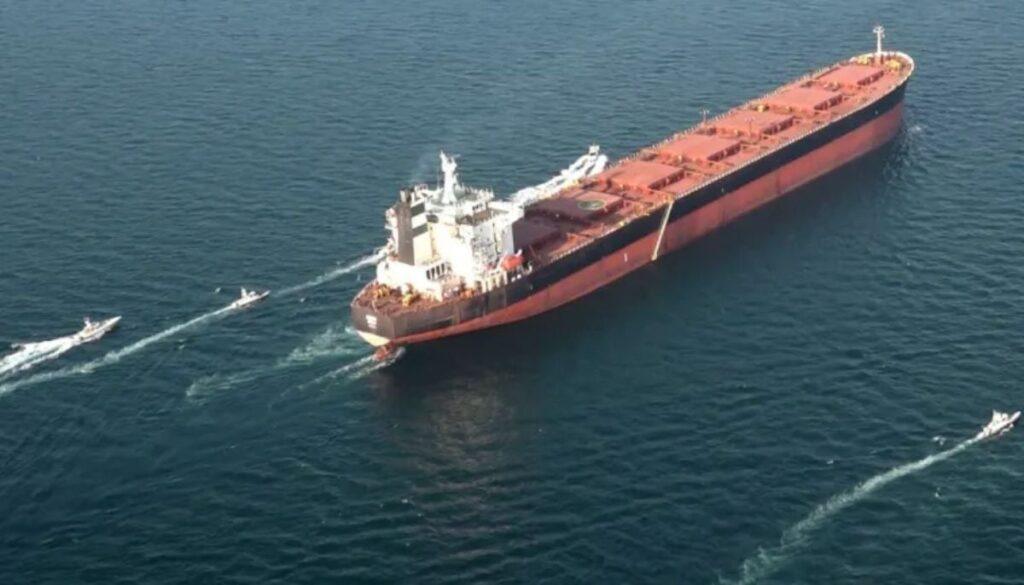
Global oil prices continue to rise despite a handful of ships managing to transit the Strait of Hormuz.
This is because the lockdown has caused supply disruptions that can take months to recover.
The strait, responsible for controlling the traffic of 20% of the world’s crude oil and liquefied natural gas, has been effectively closed despite occasional crossings by ships.
Even though authorities have allowed several ships to pass through, the risks remain extreme. Missiles, drones and naval mines have turned this area into a war zone.
Insurance companies, unwilling to take responsibility, refuse to fund trips, creating what experts describe as an “insurance-driven shutdown.”
Additionally, attacks on oil facilities across the region have disrupted oil production in several locations, thus restricting the amount of oil that can be transported.
The destruction of oil infrastructure, largely caused by retaliation from Iran and its Gulf neighbors, has led to supply shortages that cannot be quickly addressed.
Consumers are already bearing the adverse consequences of this.
US benchmark West Texas Intermediate crude hit $112 per barrel, its highest level since 2022.
With Trump having no clear exit plan, analysts warn that high prices may be the new normal for the foreseeable future.