
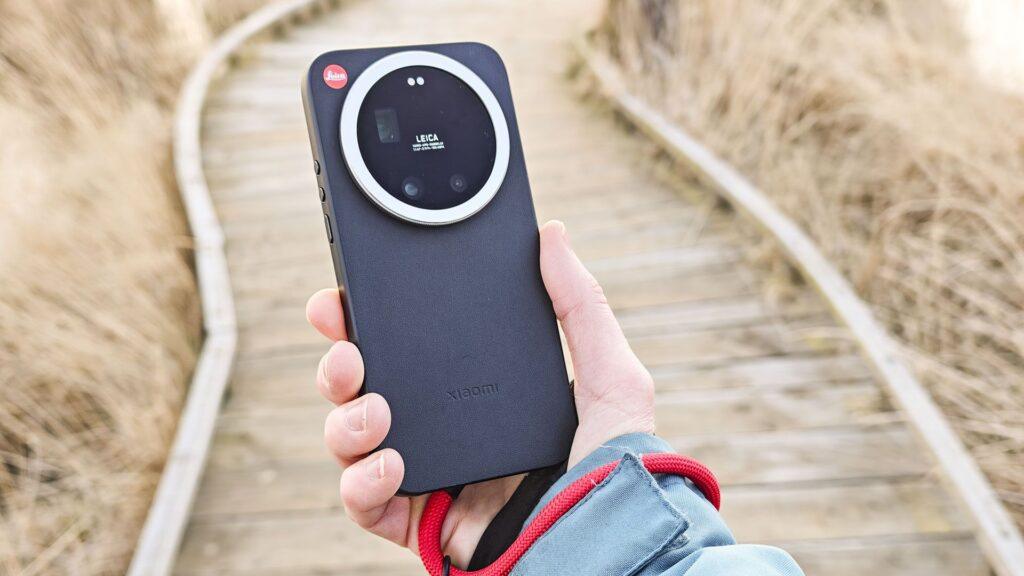
I spent an entire month last year using the Xiaomi 15 Ultra as my main camera. It ticked a lot of boxes for me as a veteran photographer and has become my favorite camera phone, not least because of the natural photo quality of its large 1-inch sensor.
That phone was recently updated with the Xiaomi 17 Ultra, which appears to be a relatively minor update, but which shares the same hardware as Leica’s first phone available globally (aside from the US), the co-branded Leitzphone. (There was no Xiaomi 16 series, as Xiaomi hopes “directly [compete] with the iPhone of the same generation.”)
Image 1 of 2
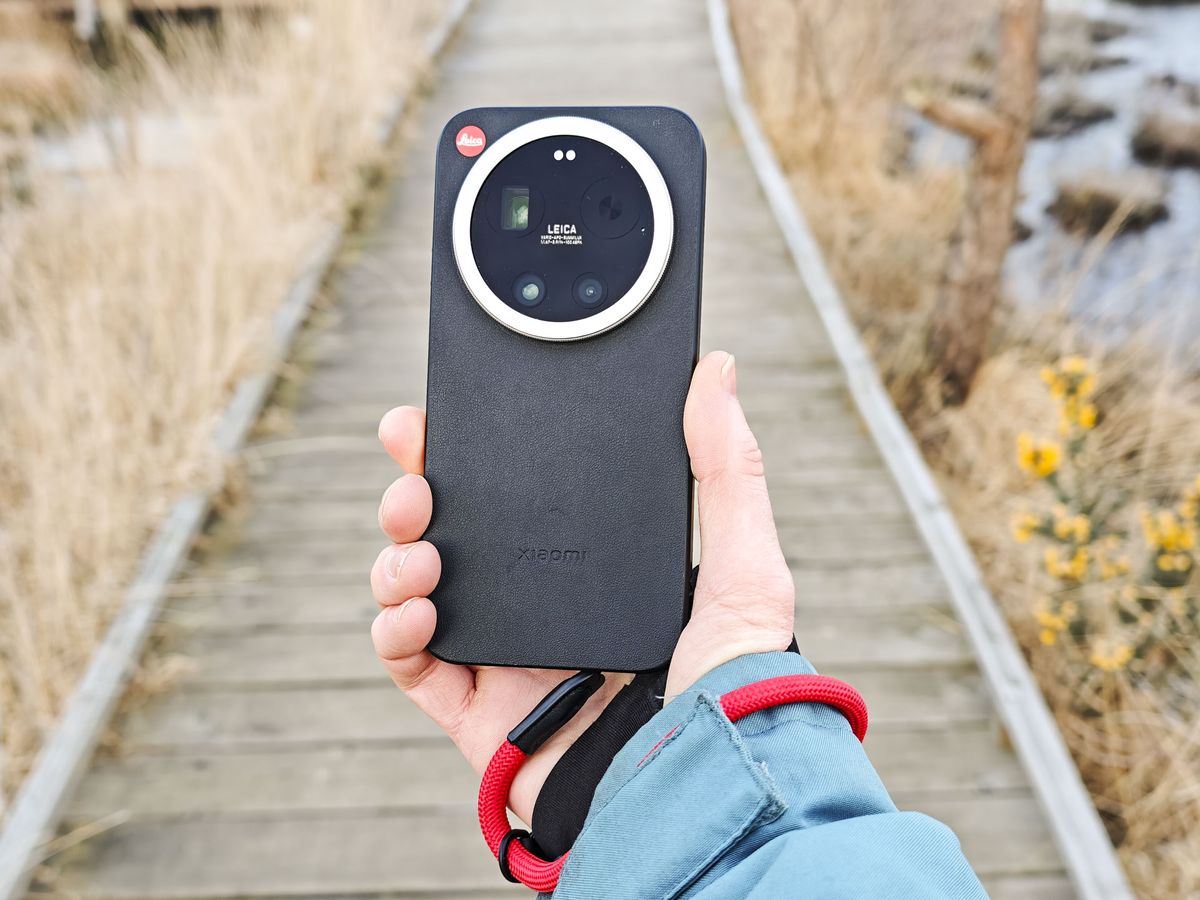
Leica has added its own design touch to the phone’s exterior and it’s characteristically sleek, with a black finish and a knurled silver edge, plus a single mechanical control ring surrounding the circular camera unit that can control zoom but is instead mapped to another control such as exposure compensation.
There’s also a nod to the Leica camera UI, with the camera app UI sharing the same style and font, which will be familiar to people who have used a Leica digital camera like the D-Lux 8. And, perhaps inevitably, when it comes to price there’s also the ‘Leica tax’: the Leitzphone costs £1,700 / AU$2,299 (around $2,000), which is about 20% more than the Xiaomi 17. Ultra.
Oh, I mean Leica’s user interface for the camera. So the font and UI style of the camera app are the same as those of Leica cameras.
I approached my time with the Leica Leitzphone by effectively treating it as an upgrade to my favorite camera phone, so I couldn’t resist comparing its image quality to that of my professional mirrorless camera in some tests.
I’ll soon share a deep dive into my experience with the Leitzphone as a photographer, based on using it every day for two weeks, but here I’m going to highlight one aspect of that experience: comparing the same portrait taken with the Leitzphone telephoto camera and with my Nikon Z6 series camera paired with the gorgeous Viltrox 85mm f//1.4 Pro lens.
Leitzphone vs full frame mirrorless
Before I explain how I take and edit portraits with the Leica Leitzphone, let’s take a look at the two photos together and see if you can identify which is which.
One photo was taken with the Leica Leitzphone’s telephoto camera and the other with a Nikon Z6 II and a Viltrox 85mm f/1.4 Pro. For context, the kind of quality my camera and lens is capable of achieving is equivalent to a camera kit that costs around $5,000 / £4,500 / AU$8,000.


Do you think you know which photo was taken with which camera?
How I take portrait photos with the Leitzphone
You may already have the idea, but before I reveal which photo was taken with which camera, let me explain how I arrived at the final edit of the portrait taken with the Leitzphone.
I used the Leitzphone’s 3-4x telephoto camera to get a similar perspective to the impressive Viltrox 85mm f/1.4 lens used in this comparison. However, the phone’s 1-inch sensor, while larger than the sensors on most other phones and can blur backgrounds very well, is dwarfed by that of my full-frame mirrorless camera, and therefore the background blurring, or bokeh, needs some extra help.
For portraits, the Leitzphone offers a “portrait” mode. Use the camera with a 3 to 4x telephoto lens and the captured photo looks the same as if you had used the camera’s normal photo mode. However, there is one key difference: editing.
Selecting portrait mode enables a bokeh effect option: you can use a slider to dial in (fake) a wider aperture effect. I selected f/1.4 to match the aperture setting on my mirrorless camera (see screen recording below).
It’s also possible to select a bokeh shape – I opted for the natural (and desirable for purists) circular bokeh shape, while the Viltrox’s bokeh is a little more cat-eye, so it might now be a little more obvious which image is which.
Another feature is that the Leitzphone captures a greater depth of field than an 85mm f/1.4 full-frame lens, so subject detail is sharper at all times, while the Nikon mirrorless camera’s portrait depth is shallow – see the tip of the beard, which is out of focus.
If you haven’t figured it out yet, the top image was taken with the Leitzphone and the bottom one with my Nikon Z6 II and my Viltrox 85mm f/1.4 lens. I don’t blame you if you struggled to tell the difference, especially if you’re reading this feature on a mobile device – the differences between the two are minor and are a testament to how smart smartphone cameras have become.
In a way, the Leitzphone offers the best of both worlds in this scenario: great bokeh (albeit computationally achieved) with more depth to the subject. In a pinch, you can stop the aperture of the mirrorless lens to get more depth in your subject and perform the same editing process to increase the size of the bokeh.
While I was at it, I did some slight editing of the brightness, sharpness and tones of the Leitzphone portrait to get the look I liked. The preview makes the bokeh look ugly when you view the edit up close, but once the image is saved, most of those artifacts around the subject disappear (see before and after, below).
Image 1 of 2


Honestly, when you look at the end result of the Leitzphone’s portrait mode, it’s incredibly good.
I don’t know about you, but the effect is so convincing, especially when viewed on a smart device, that I would happily use the Leitzphone to take portraits. This isn’t going to replace my mirrorless camera, but it might make me think twice about packing it.
I added some more photo comparisons below. I hope you enjoy it and let me know what you think about Leitzphone in the comments below.
Image 1 of 6






Follow TechRadar on Google News and add us as a preferred source to receive news, reviews and opinions from our experts in your feeds. Be sure to click the Follow button!
And of course you can also follow TechRadar on TikTok for news, reviews, unboxings in video form and receive regular updates from us on WhatsApp also.


