
- The spot price of a 16 GB DDR4 chip has dropped by 5%
- It is the first time this price has fallen in more than a year.
- While that’s obviously a good thing, there’s still a lot of storm to weather with the RAM crisis.
We’ve witnessed another sign that the RAM crisis is easing (at least a little) along with an interesting move by the Korean government to try to protect consumers from the worst excesses of PC component price increases.
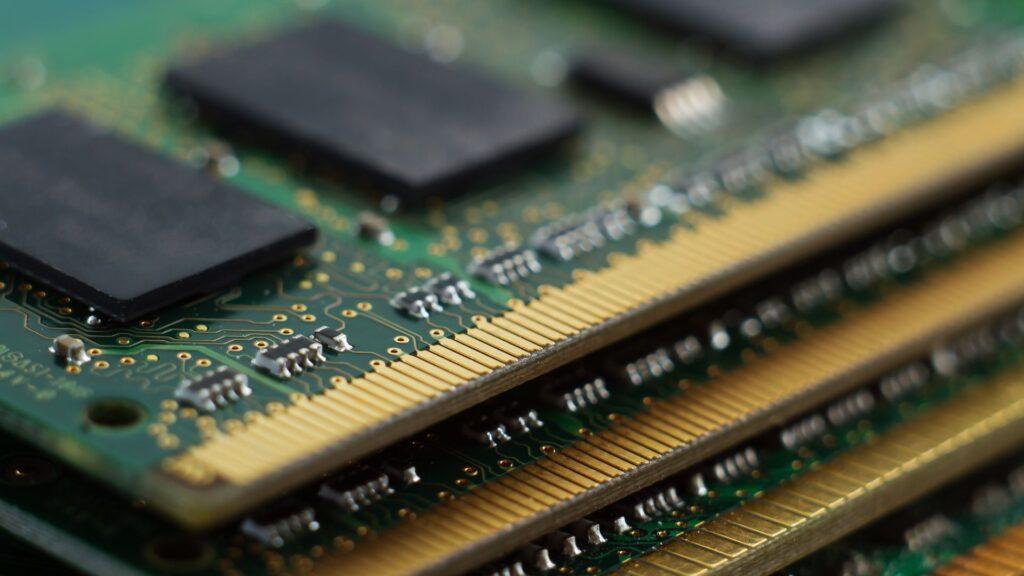
Tom’s Hardware pointed to a report from DigiTimes stating that the spot price of a 16GB DDR4 chip has fallen about 5% over the course of the last month.
It may not seem like much, but it’s notable because it’s the first monthly drop to occur in the price of DDR4 in just over a year. (Though recently, some of the increases have been small, and prices are holding steady, but we haven’t seen a drop so far.)
Article continues below.
Still, don’t get carried away with optimism, because this has happened against a backdrop of a 2200% increase in the cost of a 16GB DDR4 module over the past year.
Tom’s Hardware also noted another development in Asia, with what could be an important move for Korean consumers, perhaps with some hope that other countries adopt similar policies.
According to a report by The Korea Herald, the government is going to reuse more computers it took out of service last year, increasing the number of these computers that are reused and donated to various organizations. It will also provide more PCs to vulnerable groups, we’re told, and expand the reach of a subsidy scheme that provides money to low-income households buying computers for students.
All of that is designed to alleviate some of the problem of PCs becoming much more expensive, and there’s something else that’s also more telling. Another report from No Cut News talks about the Korean government’s plans to “monitor the distribution and supply and demand conditions of the PC and laptop markets to avoid unfair practices.”
This apparently involves some government bodies – including the Ministry of Commerce – keeping a close eye on the PC market, as well as RAM sales, investigating what could be considered illegal activity. “Strict measures” are promised if those selling components or PCs are deemed to be engaging in any type of opportunistic profiteering.
This should help keep prices somewhat low, or that’s the theory anyway, although keep in mind that these are not official announcements, but just reports in the Korean media at this time.
Analysis: hopeful signs, but let’s moderate optimism
We’ve recently seen reports of falling DDR5 prices around the world, and notably in China, where the price of next-generation 16GB RAM modules has dropped by up to 30% (in terms of sales on e-commerce platforms in the country). Seeing DDR4 also drop is welcome, of course, even if it’s not to the same degree.
So we can hope for some price drops for DDR4 at retail, although that wouldn’t be a surprise, really, given the heartbreaking price spikes this RAM and DDR5 have reached. As I noted in my previous article about falling DDR5 prices, there is a point at which prices rise so high that a growing number of consumers simply refuse to pay them, and when that trickles down as a drop in demand, an inevitable price correction ensues.
There are other possible reasons for these drops as well, including theories that OpenAI has greatly reduced its ambitions to consume RAM, leaving demand for AI not as intense as it previously seemed. Additionally, along those same lines we have Google’s TurboQuant. This technology aims to greatly reduce AI memory usage, at least in certain aspects, although I think that’s a red herring, and I have a feature ready to publish that explains why. (Keep an eye out for that imminently.)
Any relief we’re seeing now is definitely welcome, but don’t make the mistake of believing we’re close to some kind of tipping point with RAM prices. Many analyst firms are betting heavily against this, and with good reason, plus hardware makers are singing similar tunes. Don’t underestimate the challenges facing the tech world here.
Given the severity of these pricing issues, could we expect governments in other parts of the world to intervene as Korea apparently did? I highly doubt we’ll see any big plans to monitor the fairness of PC or component prices, which is a seriously thorny area to even consider. However, plans to help low-income students or families buy a laptop (or repurpose old Windows 10 PCs) certainly seem like avenues to explore or expand, which have a lot of potential.

The best laptops for all budgets
Follow TechRadar on Google News and add us as a preferred source to receive news, reviews and opinions from our experts in your feeds. Be sure to click the Follow button!
And of course, you can also follow TechRadar on YouTube and tiktok for news, reviews, unboxings in video form and receive regular updates from us on WhatsApp also.


