
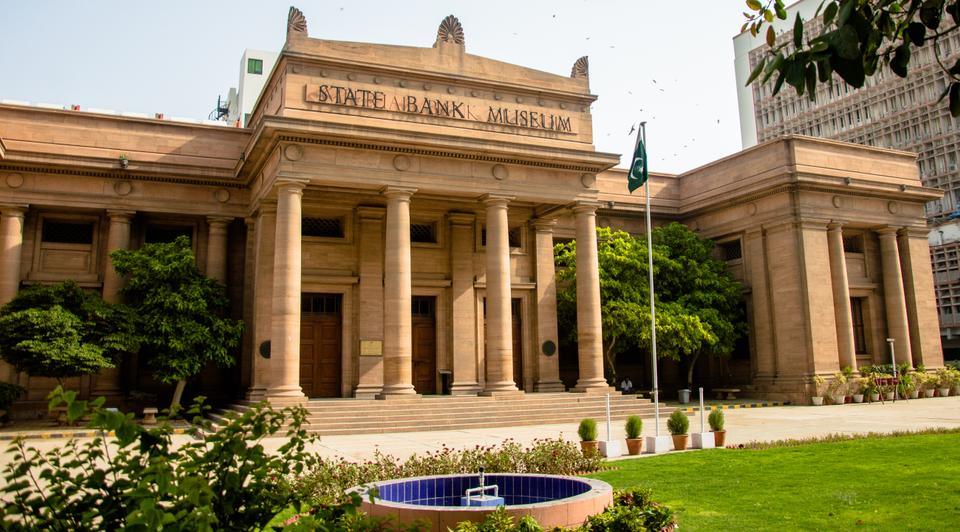
Pakistan’s central bank notified all banks and financial institutions in the country that the ban on providing crypto services had been lifted.
However, under new state banking rules, banks are prohibited from investing, trading or holding crypto assets using their own funds or customer deposits.
The move by the State Bank of Pakistan follows the recent enactment of the Virtual Assets Act 2026, which establishes the Pakistan Virtual Assets Regulatory Authority (PVARA) to license, regulate and supervise the sector.
The central bank replaced its 2018 cryptocurrency ban with new rules allowing regulated banks and other financial institutions to open accounts for cryptocurrency companies approved under PVARA.
Under the new state banking framework, banks can provide services to virtual asset service providers (VASPs) authorized under the new cryptocurrency law, as well as those seeking approval, subject to strict compliance with anti-money laundering (AML), know-your-customer (KYC) and other anti-terrorist financing regulations.
“Subject to strict compliance with the conditions outlined herein, SBP Regulated Entities (REs) may open bank accounts of entities duly authorized by PVARA as Virtual Asset Service Providers (VASPs),” the State Bank of Pakistan said.
The central bank’s rules also set out detailed conditions for the incorporation of crypto companies, including mandatory license verification, enhanced due diligence, and continuous monitoring of all their transactions.
In December, the government of Pakistan and Binance signed a memorandum of understanding (MOU) allowing the world’s largest cryptocurrency exchange by trading volume to explore the tokenization of up to $2 billion in bonds, treasury bills, and commodity reserves in Pakistan.
That same month, Pakistan’s Virtual Asset Regulatory Authority (VARA) Chairman Bilal Bin Saqib announced in a video interview with CoinDesk his country’s plans to accelerate cryptocurrency adoption, leverage Bitcoin mining, and launch a national stablecoin.
About 40 million or around 17% of the Pakistani population are involved in cryptocurrency trading, the government said in February. The country is the third-largest crypto market by retail activity, ahead of places like Germany and Japan.


