
An increasing proportion of European investors may switch banks to access better crypto services, according to a new study from Boerse Stuttgart Digital, signaling a shift in the way digital assets are shaping retail finance across the region.
The survey, conducted by market research firm Marketagent between August 2025 and January 2026, collected responses from 6,000 people in Germany, Italy, Spain and France. It found that 35% of respondents would consider switching banks if another institution offered more robust cryptocurrency investment options.
That figure rises to 40% in Spain, the highest among the countries surveyed, followed by Italy with 35%, France with 33% and Germany with 29%.
At the same time, cryptocurrency ownership continues to expand. Around 25% of respondents said they have already invested in digital assets, with Spain again leading the way with almost 28%. Germany followed with 25%, while Italy and France were slightly behind.
Despite cryptocurrencies’ origins outside of traditional finance, the study suggests that banks remain critical to their next phase. Investors were more than twice as likely to trust their primary bank for crypto services than specialized platforms.
This confidence advantage comes as many investors still struggle to understand the asset class. More than 60% said they feel misinformed about cryptocurrencies, while 69% described them as too complex.
Concerns around regulation also persist: 76% believe that cryptocurrencies are not sufficiently regulated and therefore risky.
The findings point to a possible opening for banks. Nearly one in five respondents expect their bank to offer access to cryptocurrencies in the next three years, suggesting digital assets are moving from a niche offering to a standard feature in retail finance.
Access to cryptocurrencies in Europe has expanded in recent years, although it remains uneven. While some banks and fintech companies now offer trading or custody services, many large institutions have taken a cautious approach, often limiting exposure to select products or pilot programs. As a result, investors often turn to a combination of traditional banks and specialized platforms to manage their holdings.
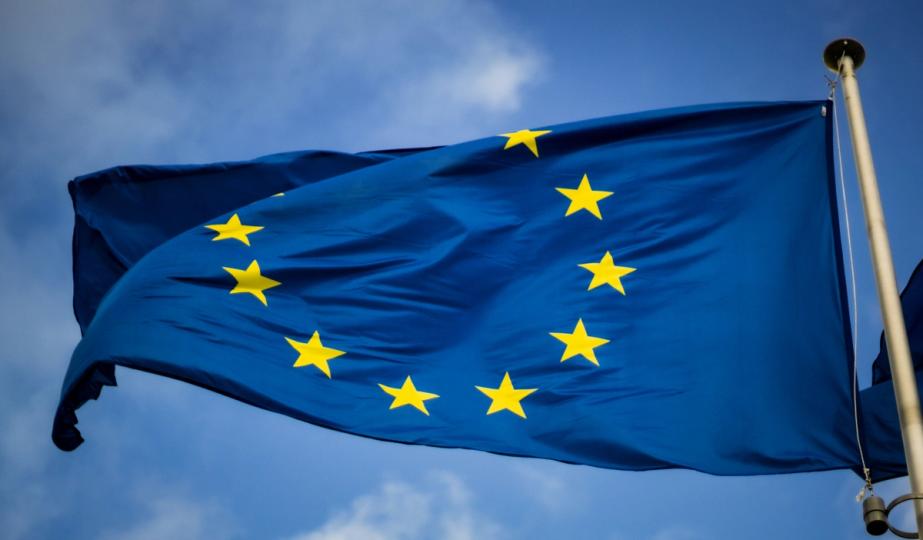
Regulation is beginning to shape that landscape. The European Union’s Markets in Crypto Assets (MiCA) framework, which is being gradually implemented in all member states, establishes common rules for crypto service providers, including licensing, consumer protection and operational standards. The goal is to create a more consistent market across the region and reduce risks linked to unregulated activity.
Clearer regulation can contribute to this change. Almost half of respondents said that European Union rules such as MiCA increase their confidence in digital assets, indicating that greater regulatory clarity could help attract more investors to the market.


